UPDATE
  • update
  • update
  • update
  • update
  • update
  • update
  • update
  • Home
  • Categories
    • Health
    • Money
    • Lifestyle
    • Travel
    • Entertainment
    • Louisiana News
    • Jobs and Careers
    • Featured
July 07.2025
3 Minutes Read

How Airplane Etiquette Influences Travel Experiences for Everyone

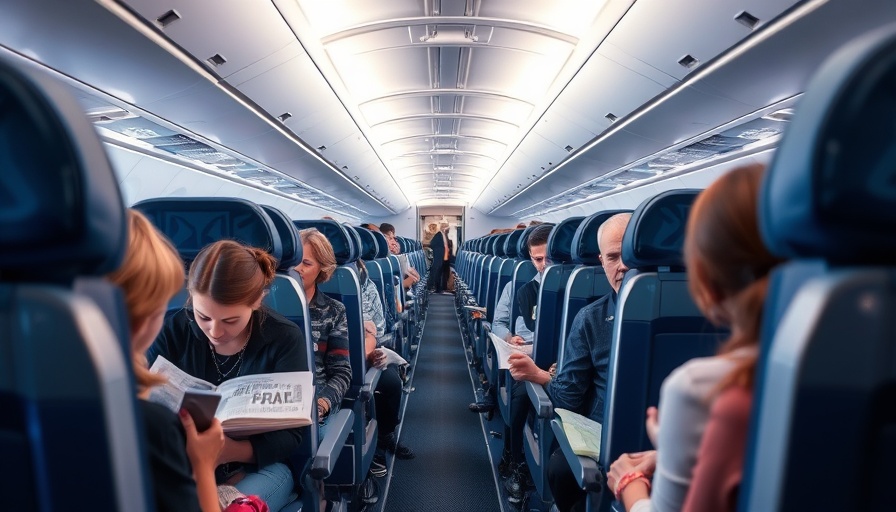
Airplane cabin showcasing in-flight etiquette with passengers seated.

Airplane Etiquette: A Modern Dilemma

Air travel isn't just about getting from point A to B; it’s a social experiment in the cramped quarters of an aluminum tube. Recently, a viral incident involving two passengers on a flight has ignited conversations about basic airplane etiquette, highlighting the ongoing struggle between personal space and collective comfort. The situation escalated when one passenger, deemed a "Karen" by social media users, attempted to fully recline her seat without considering the discomfort it brought to the passenger behind her. This sparked a series of reactions from both fellow travelers and professional etiquette experts.

A Seat-Reclining Showdown

As the story goes, the passenger behind the reclining "Karen" decided to take matters into their own hands—literally—by pushing the seat back up repeatedly until it became a game of patience and persistence. The fraternity of air travelers soon joined the debate, with some siding with the back-seat passenger’s assertiveness while others felt the need for more understanding and compassion.

The Social Media Buzz

Reddit exploded with thousands of comments, as users weighed in on what is considered acceptable in the tight confines of an aircraft. Some argued that reclining should come with the payment of a premium fare, or at least a heads-up to the person behind. Others pointed out the necessity of maintaining a civil interaction and asked pointed questions about consideration for fellow travelers. It’s a discussion fraught with tension; after all, few things can aggravate fliers more than feeling trapped in their seat—or, conversely, feeling like they have no control over their immediate environment.

Understanding Airline Seating Policies

Airline policies regarding seat reclining can leave passengers confused. Typically, while it is permissible to recline, it should be done with caution and consideration, especially during meal service or, as in this case, when someone behind you feels the effects profoundly. Airlines often suggest common courtesy: checking in with the passenger behind you before reclining your seat, making it a mutual agreement rather than a unilateral decision. The implications of this conversation are significant, prompting travelers to consider their role in the emotional environment of the airplane.

Air Travel: A Microcosm of Society

The airplane experience encapsulates many of the social norms we grapple with in a wider context. Issues like personal space, respect, and patience can easily devolve into confrontation, mirroring tensions we often see in everyday interactions. The airplane serves as an elevated platform to study behaviors that often sit beneath the surface in larger societal settings, allowing us to confront the question of whether we’re more "me" or "we" in communal situations.

Insights from Experts

Etiquette experts suggest that it’s not just about the act of reclining itself but rather how we communicate about it. Setting the tone for a polite exchange can alter the course of flight dynamics entirely. When traveling, we’re not just passengers but also representatives of common decency; embracing this perspective makes journeys more enjoyable for everyone. Experts recommend always being aware of the fellow traveler’s needs while maneuvering through the sometimes stressful travel environment.

Practical Tips for a Smoother Flight

To better navigate the social situation in the skies, here are a few practical tips:

  • Communicate: Politely inform the passenger behind you when you intend to recline your seat.
  • Choose Timing: Opt to recline during designated times when the cabin crew suggests, like after the meal service.
  • Be Mindful: Remember the human aspect of air travel; we are all in this together!
These simple actions can help mitigate tensions and foster a more pleasant environment during our travels.

Final Thoughts: Making Travel More Enjoyable

The debate surrounding airplane etiquette might seem trivial in the grand scheme, but it reflects larger truths about human interaction and the importance of civility in our increasingly cramped world. If each of us takes a moment to understand our fellow passengers, we can make flying a more positive experience. So the next time you board a plane, take a deep breath, be kind, communicate openly, and maybe, just maybe, our shared journey can be more about community than contention.

Ready to embrace better travel experiences? Whether you're planning a local getaway or an excursion abroad, consider how your actions impact those around you—your next flight could be a more pleasant escape!

Travel

6 Views

Write A Comment

*
*
Please complete the captcha to submit your comment.
Related Posts All Posts
05.23.2026

Laguna Beach's $500 Fines for Sun Shades: A Deep Dive into Changes

Update New Restrictions for Beach Lovers in Laguna: What You Need to Know As the summer sun approaches, Laguna Beach, California, is gearing up for a wave of visitors, but not without some new rules that may make beachgoers think twice about their setups. Starting May 26, the beloved beach destination will enforce restrictions that ban larger shade structures, such as tents and canopies, with fines reaching up to $500 for violators. This regulation has sent ripples of opinion through both locals and tourists, leading to compelling discussions around the right balance of safety and enjoyment at public beaches. Why the Change? A Safety Initiative The primary reason behind Laguna Beach’s new shade regulations centers on safety. City officials argue that larger structures can obstruct lifeguard visibility, especially in the more compact cove areas. It’s easy to see how a family of beach enthusiasts could set up a mini-vacation right next to the water, but when we're talking safety, the lifeguards need an unobstructed view to monitor swimmers and surfers alike. Think of it: the thrill of catching waves might be overshadowed by the worry that someone could be in trouble just out of sight behind a giant umbrella. The Community's Split Opinion Not everyone agrees with the restrictions. While some locals and beachgoers have expressed support for the regulations, labeling them as “about time,” others consider them a bit too controlling over a public space. This debate isn't just about sun shades—it's about community rights and individual freedoms. It makes one ponder: should a public beach be a free-for-all setups, or do safety concerns justify some rules? When we enjoy our leisure activities, those laws create the framework that allows everyone to share the experience safely. A Historical Perspective on Local Beach Rules Looking back at beach regulations in California, this isn’t the first time cities have grappled with similar issues. Beaches across the state have adopted measures in response to overcrowding, trash issues, and safety concerns. Historically, cities like Santa Monica have implemented rules regulating beach setups as well, providing designated areas for bigger canopies and umbrellas. The ongoing struggle reflects a broader trend of urban spaces managing public enjoyment while addressing safety and cleanliness. The Emotional Core of Beach Visits Take a moment to remember your happiest beach memories—perhaps a family picnic or a tranquil moment soaking in the sunsets. Many residents from Louisiana, particularly those over 60, treasure those sunny escapes. As we age, these experiences become even more precious, intertwining with our family stories and personal narratives. The desire to find a comfortable spot on the beach remains strong, and while the new restrictions are intended to ensure safety for all, they may require some adjustments for seasoned beach-goers reminiscing about the old days. Tips for Enjoying the Beach Under New Regulations Heading to Laguna Beach this summer? Here are some quick tips for compliance and enjoyment: Stick to Single-Pole Umbrellas: Invest in a sturdy, portable umbrella that can easily be transported, and meets the new standards. Plan for Designated Canopy Zones: Map out areas where larger structures are allowed, ensuring your beach experience aligns with the new rules. Arrive Early: Secure your space early in the day. This will help avoid the frustration of crowding and give you the best possible view with limited obstructions. Bring the Essentials: Carry your favorite snacks, hydration, and any other beach necessities to keep the day enjoyable without the need for sprawling setups. Soon, Laguna Beach will unveil these new regulations, ensuring both safety and enjoyment. Whether you’re eager to sunbathe under a single-pole umbrella or hoping to secure a spot within the designated canopy zones, it may take a little creativity to make the most of your time at this iconic beach. Why All Eyes are on Laguna Beach The public response reflects broader themes in travel and outdoor leisure. With the growing popularity of outdoor activities against the backdrop of increased safety measures, Laguna's decision echoes in cities around the country. From beach tours to backyard barbecues, communities are navigating how to keep joy alive while safeguarding health and safety amidst modern concerns. This might just be the beginning of a new trend—how shall we adapt our leisure to embrace the changes while preserving the delight of experiences? No matter your stance on the rules, one thing is clear: Laguna Beach remains a cherished destination for relaxation and recreation. Will these changes impact your plans? Share your thoughts and prepare for your next visit—adjustment is key in travel and life alike!

05.23.2026

Record Memorial Day Traffic Means Smart Travel Tips for Seniors

Update Record Travel Expectations for Memorial Day This year promises to break records as travel authorities project that an astonishing 39.1 million Americans will hit the roads and over 3.5 million will take to the skies for Memorial Day weekend. As we prepare to celebrate the unofficial start of summer, it’s important for Louisiana residents, especially those over 60, to know what to expect on their travels from May 21 to May 25. With travel demand surging, it’s no surprise that the American Automobile Association (AAA) estimates these figures to be slightly higher than last year, showcasing the ongoing enthusiasm for leisure travel. Heavy Congestion Ahead: Best Times to Travel According to AAA's analysis utilizing INRIX data, the heaviest traffic is expected between 3 p.m. to 6 p.m. on Thursday, May 21, and Friday, May 22. For those planning to return home on Monday, May 25, expect the roads to be most congested between 12 p.m. and 5 p.m. However, if you want to avoid the chaos, consider traveling during off-peak hours—after 9 p.m. on Thursday or before 10 a.m. on Monday. Sunday will likely offer the best driving experience with minimal traffic. The Importance of Proper Planning For many, the excitement of Memorial Day weekend can overshadow the need for smart planning. AAA emphasizes that taking a few preparatory steps can significantly enhance travel experiences. Louisiana residents planning road trips should ensure their vehicles are in top shape; check tires, fluids, and batteries to avoid any unwanted surprises on the road. AAA responded to over 350,000 emergency roadside calls last year, indicating just how vital preparation is. Beating the Crowd: Tips for a Smoother Journey Travelers should consider leaving for their trips a day early to evade heavy congestion, especially since the top five markets—Orlando, Las Vegas, Los Angeles, Denver, and Boston—are all prime destinations attracting large numbers. Moreover, coordinating departure and return trips on off-peak days makes a substantive difference. And let’s be honest, who doesn’t love a little extra time to unwind before the weekend begins? Flight Insights: The Aviation Angle Despite rising gas prices, air travel is also on the rise compared to previous years with around 3.66 million flyers expected. Flight prices are, interestingly, lower than last year due to early bookings. For those opting to fly, getting to the airport early can save a lot of stress in the hustle and bustle—especially important for seniors who may need a bit more time navigating crowds. Accommodation and Rentals: Getting Your Space If you're planning to rent a car, expect busy pick-up days on Thursday and Friday. Advance reservations are recommended to avoid long wait times. Keeping an eye on the most popular travel destinations could help you adjust your plans accordingly; lesser-known spots may be just as delightful and far less crowded. Safety First: Stay Alert and Sober With traffic congestion comes the increased risk of crashes. AAA advises drivers to stay alert and consider unfamiliar routes to avoid distractions. It’s crucial to ensure everyone in the car is rested, as drowsiness can impact driving ability. Bring healthy snacks and drinks to keep everyone energized and hydrated, especially for elderly travelers. Patience and Enjoyment: The Human Element As we set out on our journeys during this busy period, let's not forget the importance of kindness. Whether interacting with fellow travelers or service staff, a little patience goes a long way. Remember, we’re all experiencing the same excitement—and challenges—this holiday brings. Conclusion: Plan Ahead for a Memorable Weekend As you prepare for your Memorial Day journey, remember that a little foresight can lead to a much smoother experience. From planning your routes to being courteous on the roads and at airports, every step counts in creating joyful travel memories. Don't let traffic dampen your holiday—gear up, plan smart, and enjoy every moment of your getaway.

05.22.2026

Primm's Battle Against Collapse: The Ghost Town's Struggles and Future

Update A Desert's Disappearing Jewel: The Fate of Primm, Nevada Just a stone's throw from the glittering lights of Las Vegas, Primm, Nevada, is facing the brink of total collapse. Once a vibrant stop for travelers along Highway 15, this small town is being abandoned—its casinos shuttered, hotels closed, and its retail heart being quietly swallowed by dust and shadows. Primm, which boasts a storied past as a bustling resort destination, is now reminiscent of a ghost town, struggling to cope with the fallout from changing tourism trends and economic pressures. Local sources indicate that the Primm Valley Resort and Casino will close its doors permanently on July 4, dismantling the last remaining gambling and hospitality options just in time for the peak summer travel season. The closure marks a significant loss not only for employees but also for frequent visitors who cherished the unique charm of this quirky desert outpost. Understanding the Impact on Local Workers and Communities The closure of Primm's iconic casinos is more than an inconvenience for tourists; it's a severe blow to the local economy and the community of workers who relied on these establishments for their livelihoods. Many workers, including long-term employees, now face an uncertain future. Those who had been experiencing financial stability often find themselves scrambling for nearby opportunities as their employers prepare to shut down all operations. This scenario is reminiscent of the chaos that ensued when Las Vegas underwent mass layoffs during the pandemic—an event that left thousands in despair, exemplifying how quickly a community can transform from thriving to struggling. As Debra Jeffries, a cocktail waitress for over 40 years at a major Las Vegas venue stated during a previous crisis: “We have bills mounting up, and we need to feed our families.” Heartrending stories like this highlight the personal struggles behind the statistics. For the residents of Primm, moving away might seem like the only option, but for many, this town has been home for generations. Kissing Goodbye to a Landmark As Primm fades into obscurity, one cannot help but recall the lively evenings spent at Whiskey Pete's, famous not just for its gaming but also for its family-friendly entertainment and food. Now the once-bustling venue stands empty, waiting for a fate that might see it obliterated from the map entirely. The mall that accompanied this vibrant landscape, once a shopping haven, has also succumbed to decline. With dwindling tenants—only one functioning thrift store remains—its future is bleak. Like other resorts in the area, it too has become a mere footnote in Primm's history. Efforts to resurrect the town seem nonexistent as the harshness of the desert swallows its past. Landlords and owners have been hesitant—if not outright unwilling—to pursue new interests or venture to revive this fading jewel. What's Next for Primm? With the gradual decline of tourism in the Las Vegas area and changing traveler preferences, Primm’s future looks grim. Visitors who once enjoyed its attractions are opting for more vibrant alternatives, leaving behind empty casinos and unfilled hotels. Unfortunately, the lack of foresight from casino operators to attract new business and create engaging experiences for visitors has contributed to a bleak trajectory. As the town continues to decay, observers wonder: is it too late to save Primm? Can a passionate investor or developer breathe new life into this area? Or will it follow the path of similar destinations that succumbed to time and neglect? Conclusion: Lessons from Primm The rise and fall of Primm serves as a poignant reminder of the fragility of tourism-dependent economies. For towns like it, diversifying attractions, improving community support for local businesses, and preserving the unique narratives are vital strategies to thrive. As you ponder the fate of this forgotten town, reflect on how we can support our local economies wherever we are. Let the dwindling lights of Primm spark deeper discussions about sustainable tourism, community engagement, and the importance of not letting our cherished places fall into ruin.

Terms of Service

Privacy Policy

Core Modal Title

Sorry, no results found

You Might Find These Articles Interesting

T
Please Check Your Email
We Will Be Following Up Shortly
*
*
*