UPDATE
  • update
  • update
  • update
  • update
  • update
  • update
  • update
  • Home
  • Categories
    • Health
    • Money
    • Lifestyle
    • Travel
    • Entertainment
    • Louisiana News
    • Jobs and Careers
    • Featured
August 27.2025
3 Minutes Read

How a Routine Medical Scan Took a Young Lawyer’s Life: Learning from Tragedy

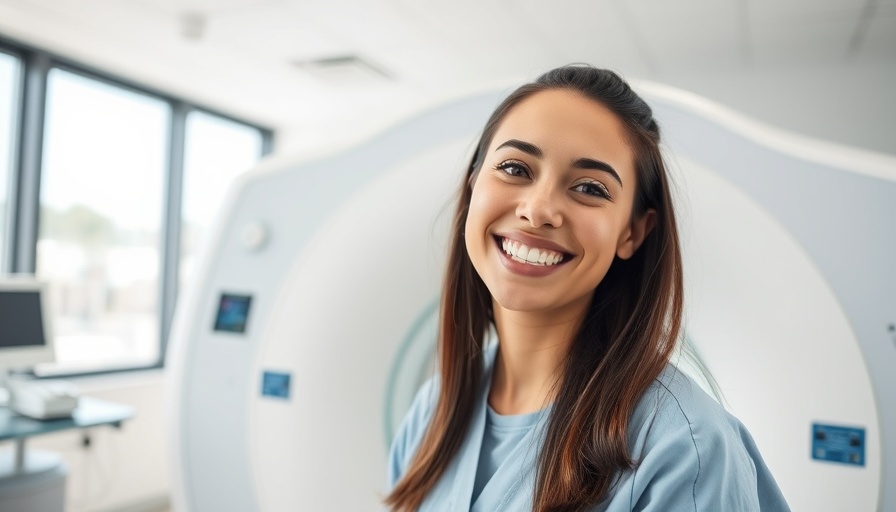
CT scanner and smiling woman represent medical scan for allergic reaction.

Tragic Loss: A Young Life Cut Short by Medical Error

In a heart-wrenching turn of events in Brazil, 31-year-old lawyer Letícia Paul tragically lost her life due to an unforeseen allergic reaction during what was meant to be a routine medical examination. The incident occurred during a contrast-enhanced CT scan at a local hospital, where she went into anaphylactic shock shortly after the scan commenced.

Understanding Anaphylactic Shock: A Silent Threat

Anaphylactic shock is a severe and potentially life-threatening allergic reaction that can develop rapidly. Common triggers include medications, certain foods, and even environmental factors. In Letícia's case, she experienced a catastrophic response to the contrast material used in the scan, an incident that has intensified scrutiny over hospital protocols regarding patient allergies.

Health professionals emphasize the importance of patient history in preventing such tragedies. It is crucial for medical staff to communicate effectively with patients about allergies and pre-existing conditions before administering treatments or conducting procedures. The emotional impact of Letícia's death serves as a reminder that open communication can save lives.

Local Perspectives: The Implications for Louisiana Residents

For residents of Louisiana, especially those over 55 who might be more susceptible to health emergencies, the implications of Letícia's story are particularly poignant. With aging populations increasingly relying on medical imaging, the importance of understanding potential risks associated with procedures grows exponentially.

Moreover, the incident raises questions about patient education. Understanding what contrast materials entail and their possible side effects can help individuals prepare and protect themselves when seeking medical attention.

Public Health Concerns: A Nationwide Issue

The tragic events surrounding Letícia's health crisis have echoed beyond Brazil's borders, igniting discussions about medical safety protocols worldwide. Medical institutions are reassessing procedures to prevent a repeat of such an agonizing incident. The deaths tied to allergic reactions during routine scans underscore a broader public health issue that merits action at higher levels of healthcare governance.

Awareness and Prevention: Practical Steps for the Community

In light of these events, health advocates are calling for increased awareness about allergies related to medical procedures. Here are a few actionable tips for individuals and families:

  • Keep a list of all known allergies readily available, and share this information with healthcare providers before any procedure.
  • Ask questions about any contrast agents being used during procedures, including potential side effects.
  • Encourage loved ones, especially elderly family members, to be proactive in discussing their medical history with healthcare professionals.

By taking these steps, patients and their families can foster a safer healthcare environment and reduce the risk of similar tragic outcomes.

Connecting with the Community: Personal Impact and Emotional Health

The loss of Letícia Paul resonates deeply within her community, provoking feelings of grief not only for her family but also the fundamental trust in healthcare systems. Such incidents can inflict emotional distress far beyond the families directly affected, rippling through communities.

During tough times, the importance of discussing mental well-being and finding support from others facing similar experiences cannot be understated. Connecting with support groups and accessing mental health resources can provide healing pathways for individuals grieving unexpected losses.

Conclusion: A Call to Action for Improved Healthcare Protocols

Letícia Paul’s death is not just a tale of tragedy but a clarion call for better healthcare practices aimed at preventing future allergic reactions during medical procedures. With increasing reliance on modern diagnostic techniques, it is crucial that healthcare systems adapt, ensuring stringent checks in patient history and allergies.

Healthcare organizations should prioritize patient safety at all costs, advocating for comprehensive training for medical personnel and better communication between patients and providers. As these discussions unfold, let us honor the memory of those like Letícia by pushing for changes that secure safety in health services.

Health

40 Views

Write A Comment

*
*
Please complete the captcha to submit your comment.
Related Posts All Posts
05.23.2026

High Bacteria Levels in Louisiana Waters: What Senior Citizens Need to Know

Update Why Water Safety Matters in Our Community As summer invites us to relish in the warmth and sunshine, our lakes and rivers become prime spots for recreation and relaxation. However, recent warnings from officials about elevated bacteria levels in popular swimming spots like Lake Pontchartrain and coastal areas of Mississippi should grab our attention. Understanding the health risks associated with swimming in contaminated waters is essential, especially for our senior citizens, who may be more vulnerable to infections. Recognizing the Risk Factors The bacteria levels in these waterways have spiked due to various factors, including heavy rainfall, which often causes runoff that contaminates the water. For seniors, who may have weakened immune systems, exposure can lead to gastrointestinal issues, skin infections, and even respiratory problems. It’s vital for older adults to stay informed about water quality reports and to exercise caution when planning recreational activities. Personal Accounts: Navigating Water Sports Wisely Local seniors, like Margaret, a 73-year-old avid swimmer from New Orleans, have shared their experiences and concerns. "For years, I’ve enjoyed swimming in the lake, but now I’m more cautious. It’s important to stay updated and listen to our officials, especially when it comes to health warnings," she says. Her story echoes the thoughts of many community members who prioritize health and safety over recreation. Community Efforts to Combat Water Pollution Community-driven initiatives are underway to address water pollution. Local organizations and health officials are joining forces to monitor water quality regularly and to uphold public awareness. This includes educational programs targeting our seniors, emphasizing the need for swimming in designated safe areas. Additionally, advocating for better waste management systems can help to reduce runoff pollution. Making Data-Driven Decisions Understanding the science behind bacteria levels can empower us to make informed choices when it comes to swimming and enjoying nature. Regular water testing by local governments helps provide transparency about current conditions. Seniors are encouraged to access this information ahead of time, enabling them to plan activities with confidence. How To Stay Safe This Summer As warm days beckon, taking proactive steps toward safety can enhance your recreational experience. Here are a few tips: Stay updated through local health departments on water quality reports. Avoid swimming for 24 to 48 hours after heavy rainfall, as runoff contamination is highest then. If swimming in potentially contaminated waters, consider wearing water shoes or protective clothing to minimize skin exposure. Opt for swimming in community pools, which are regularly maintained and monitored for safety. The Importance of Awareness and Community For our senior community, enjoyment of outdoor activities should not come at the expense of health and safety. It’s crucial to foster a culture of awareness, encouraging friends and family members to discuss these warnings and make informed decisions together. When we look out for one another, we create a stronger, healthier community prepared to embrace the beauty of nature responsibly. Don’t hesitate to take charge of your health this summer. Engage with local health updates, participate in community initiatives, and make informed recreational choices. Take the first step by discussing water safety with your loved ones today!

05.23.2026

How AI Technology Transforms Heart Scan Accuracy for Seniors

Update Revolutionizing Heart Health: The Breakthroughs in AI Technology In an era where technology reshapes every aspect of our lives, healthcare is no exception. Recent advancements in AI technology are paving the way for transforming how heart scans are interpreted, particularly benefiting vulnerable populations like senior citizens in Louisiana. Hospitals and clinics are beginning to adopt AI-driven tools that offer accuracy levels reaching 99% in identifying various heart conditions, promising to enhance the overall quality of cardiac care. The Power of AI in Diagnosing Heart Conditions Historically, reading a cardiac MRI has been a painstaking process, often taking specialists over 40 minutes per scan. Researchers at Carnegie Mellon University, in collaboration with the Cleveland Clinic, have developed an innovative AI system that analyzes MRI images and correlates them with doctors' reports. This approach eliminates the need for extensive manual data labeling, resulting in a significant leap in accuracy—more than 35% greater than traditional AI models. The implications for this technology are profound. It not only promises quicker diagnoses but the potential for increased access to skilled evaluations, especially in rural parts of Louisiana where heart specialists are scarce. Addressing Underserved Communities For senior citizens living in rural Louisiana, the promise of enhanced access to accurate diagnostic tools cannot be overstated. The introduction of AI-powered heart scan interpretation could bridge gaps in medical care, especially in communities where healthcare resources are limited. As AI technology becomes integrated into routine practices, many patients may receive timely diagnoses and treatment recommendations that were previously unavailable. This shift could dramatically improve health outcomes and ensure that fewer seniors are left without critical cardiac care. Expanding the Scope: From MRIs to CT Scans Furthermore, the advances don't stop with MRI interpretation. AI is transforming the way existing diagnostic records, particularly chest CT scans, are understood. A recent study conducted by researchers at Mass General Brigham and the Department of Veterans Affairs demonstrated the potential of AI to detect hidden heart disease by assessing coronary artery calcium levels from stored scans. Given that millions of CT scans are annually performed, many for unrelated health concerns (like lung cancer screening), leveraging this existing data allows for proactive cardiovascular risk assessments. Future Predictions: A Shift Towards Preventative Care As AI technology evolves, the future of heart health looks promising. The ability to utilize past imaging data for current assessments signifies a monumental shift in how clinicians will approach cardiovascular disease. This proactive model not only predicts heart attack risks but also enables earlier interventions, potentially saving lives. For senior citizens, this could mean fewer emergencies, reduced healthcare costs, and an overall enhancement of quality of life. Potential Challenges and Considerations Despite the immense potential of AI in cardiac care, several challenges remain. The development of these technologies often focuses on specific populations, as seen in the VA study where the sample was drawn exclusively from veteran individuals. It raises questions about whether these tools can be universally applied to all demographics, including seniors in different health systems across Louisiana. Additionally, there is the concern of ensuring data privacy and integrity as healthcare systems increasingly turn to digital solutions. Why Stay Informed is Crucial for Seniors For senior citizens, understanding these advancements is vital. It’s not just about having access to new technologies, but about ensuring that they are empowered to ask their healthcare providers the right questions. Advances in AI technology in heart scans mean that patients can take a more active role in their health decisions, encouraging an informed dialogue about their care options. Take Charge of Your Heart Health Today! With these transformative changes in cardiac care, it’s crucial for seniors to remain engaged and informed about their health options. By understanding the benefits of AI in heart scan interpretation, seniors can ensure they receive the highest quality of diagnostic care available. Regular check-ups and discussions with healthcare providers about new technologies can help in making informed health decisions that promote longevity and well-being.

05.23.2026

Understanding the Peptide Craze: What Older Adults in Louisiana Need to Know

Update The Rising Popularity of Peptides Beyond GLP-1s As the landscape of weight management expands, the peptide market is entering a phase dubbed the 'Wild West'. With GLP-1 medications like Ozempic and Wegovy reshaping obesity treatment, compounded peptides are quickly becoming popular alternatives for those seeking personalized approaches to weight loss, muscle growth, and injury recovery. Peptides are short chains of amino acids that play essential roles in biological functions, and compounded versions are increasingly replacing traditional pharmaceutical treatments for some. According to experts, this trend is ignited not only by the effectiveness of these medications but also by the frustrations patients face with conventional GLP-1 dosing methods. As obesity and metabolic disorders rise among older adults, understanding the nuances of peptide therapies becomes crucial. Why Custom Compounding Has Gained Traction The significant shortage of GLP-1 medications between late 2022 and early 2025 led compounding pharmacies to invest millions in creating specialized formulations. Many patients found themselves unsatisfied with the single-dose weekly injections. Microdosing options, which entail smaller, more frequent doses, have gained a loyal following. This individualized approach is particularly attractive to older adults who may experience side effects from traditional dosage methods. Dr. Alex Tatem, a urologist with expertise in men's health, notes, “Patients are seeking greater flexibility and customization in their treatments. Compounding pharmacies responded to this demand innovatively during the national shortage.” This flexibility in management could be particularly appealing for people over 55 in Louisiana coping with chronic weight and health management challenges. Health Risks in the Unregulated Market Despite the appeal of compounded peptides, potential hazards loom in this burgeoning market. As highlighted by the National Consumers League, many compounded versions lack FDA approval and can pose significant health risks, including incorrect dosages and potentially harmful additives. Reports indicate that adverse events related to compounded GLP-1s have led to hospitalizations and even deaths. Experts warn that while consumers seek alternatives, they must prioritize safety. “You have to be careful with where you’re buying these medications,” cautions health professionals. It’s essential to discuss your options with healthcare providers to discern the best and safest course of treatment. Understanding the Implications for Older Adults For older adults, the decisions surrounding peptide therapies versus traditional medications carry weighty implications. On the one hand, peptides can provide effective solutions tailored to individual health needs. On the other, the risks associated with unregulated products warrant serious consideration. In Louisiana, where obesity rates are significant, understanding the balance of pursuing these therapies versus traditional medical guidelines is crucial. Safety talks and outreach programs may help inform the public about the verified benefits of FDA-approved medications versus the precariousness of compounded options that emerge from unregulated sources. Strategies for Safe Use of Peptides Educating oneself about the peptide landscape is vital. Here are some strategies older adults in Louisiana can employ for safe use: Consult Healthcare Providers: Always speak with a trusted doctor before starting any new treatment. They can provide invaluable insights, particularly about compounded medications. Research Compounding Pharmacies: If pursuing compounded options, choose accredited pharmacies that comply with regulations. Monitor Health Closely: Keep track of any side effects and regular check-ups to manage health outcomes closely. Be Cautious of Online Purchases: Avoid buying peptides online from unverified sources to reduce health risks. In Conclusion: Navigating the Peptide Craze Safely As interest in peptide therapies continues to swell, particularly outside traditional pharmaceutical channels, awareness and education become key strategies in ensuring safe access to these treatments. Interested individuals, particularly those over 55 in Louisiana, should remain vigilant about the sources and formulations they pursue. Such informed choices can lead to improved health outcomes, enhancing the quality of life. For those considering peptide therapies, remember that knowledge is power when it comes to health decisions. It is essential to navigate this evolving landscape cautiously, balancing the potential benefits with the inherent risks. Taking these steps today prepares you for a healthier tomorrow.

Terms of Service

Privacy Policy

Core Modal Title

Sorry, no results found

You Might Find These Articles Interesting

T
Please Check Your Email
We Will Be Following Up Shortly
*
*
*