• Home
  • Categories
    • Health
    • Money
    • Lifestyle
    • Travel
    • Entertainment
    • Louisiana News
    • Jobs and Careers
    • Featured
November 08.2026
4 Minutes Read

Heartbreaking Final Call: Florida Father Dies in Flash Flooding

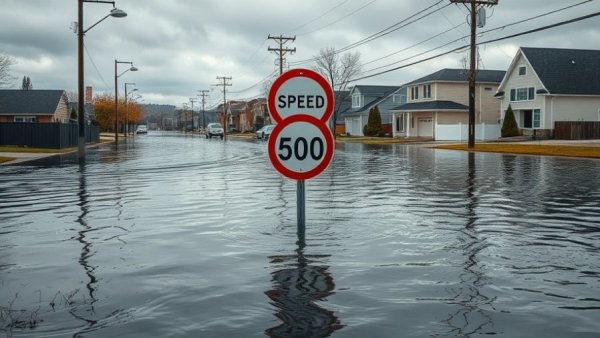
Florida neighborhood street severely flooded in urban area

When Nature Turns Deadly: A Family's Heartbreaking Loss

A tragic event unfolded recently in Brevard County, Florida, where a father’s desperate final call highlights the unexpected dangers posed by severe weather. Joshua Bennett, a 34-year-old resident of Palm Bay, lost his life after his vehicle was trapped in rapidly rising floodwaters. He had simply left home to grab a cup of coffee, but shortly thereafter found himself confronting a harrowing situation—surrounded by water from what he described as a river. 

His wife, Stacy Petit Bennett, disclosed that he reached out to her via FaceTime in a panic, tears in his eyes as he communicated his overwhelming fear. "I don’t know what to do, I don’t know what to do," he told her, emphasizing the sheer fright of being engulfed by floodwaters. Stacy’s urgent advice to break a window was met with an abrupt disconnection of the call, prompting her to instantly call for help. Sadly, help was too late, as Joshua's life was claimed by circumstances beyond his control. 

Understanding the Inherent Risks: A Community Perspective

This heartbreaking incident serves as a reminder for all of us, particularly those living in flood-prone areas like Louisiana, where flash floods can arise quickly and unexpectedly. The sudden nature of such circumstances emphasizes the importance of knowing your surroundings and recognizing warning signs. Flash floods can be deadly; they pose a risk not just to those driving but also to families who may be at risk in their homes. It is essential for communities to prepare and educate their residents, especially the elderly, about the risks associated with severe weather and the safety measures that can be employed to mitigate these risks.

Connecting on a Personal Level: The Impact of Loss

In moments like these, the emotional toll on families can be staggering. Joshua's four children, especially, are left to grapple with the void left by their father's absence. As Stacy Petit Bennett expressed, the children—who include their twin daughters born prematurely and their other children who have special needs—are asking when their father will return. The emotional and mental strain of losing a parent can be profound and long-lasting, and it’s paramount for communities to provide support systems for families affected by such tragedies. Community members often band together during these tough times, offering help and resources. Support groups, counseling, and even informal gatherings can be healing avenues for those experiencing grief.

A Broader Impact: How Our Areas Are Affected by Weather Patterns

This event in Florida is not just an isolated incident. Other states, including Louisiana, have encountered similar flooding issues in the past few years, often exacerbated by trends linked to climate change. Weather-related incidents have resulted in numerous fatalities and loss of property, bringing about a collective call for better infrastructure and safety measures across communities prone to such phenomena. The increase in devastating weather patterns must urge communities and local governments to reassess their emergency response strategies, ensuring the safety of all, particularly vulnerable populations such as children and the elderly.

Lessons Learned: Staying Prepared

What can we take away from Joshua Bennett's devastating story? First and foremost, it reminds us to stay informed about weather conditions and advisories, especially during storm season, a time when both Louisiana and Florida can experience extreme weather. Communities encourage neighbors—particularly the elderly—to have emergency plans in place, and consider local resources for alert systems that can provide timely warnings. Should driving conditions deteriorate, knowing when to turn back can make a world of difference in terms of safety. Additionally, small yet significant actions—like not driving through flooded areas—can help prevent similar tragedies from occurring in the future. Localities should disseminate safety information, perhaps through community centers or online platforms, to reach a wider audience effectively.

A Call to Community Action

Stacy’s sorrowful message resonates deeply with many: “Every life is important, and everyone deserves a chance to be rescued.” This sentiment underscores a crucial point—the significance of community solidarity in times of disaster. As incidents like floods become more common, local officials must ramp up their efforts for educating the public on the dangers of flash floods and ensuring that resources are allocated for not only preventative measures but also swift and effective rescue operations when needed.

Navigating Nature's Fury: The Power of Unity

As we reflect on this heartbreaking tragedy, it allows us to connect with our own experiences as residents in Louisiana, where floods can strike without notice. The loss of life is never an easy topic to discuss, but it is a necessary reality that we must face together as a community. Unity, preparedness, and education will go a long way in ensuring that families receive the protection they need against nature's fury.

In conclusion, let’s engage in proactive discussions within our communities about how to better prepare ourselves for natural disasters, ensuring that no family has to endure the devastating consequences that the Bennett family now faces. By understanding these risks, fostering connections within our neighborhoods, and remaining vigilant, we can help to protect ourselves and our loved ones from future, preventable tragedies. Together, we can work toward a culture of preparedness, where each life lost prompts us to improve our response to nature's unpredictability.

Travel

1 Views

Write A Comment

*
*
Please complete the captcha to submit your comment.
Related Posts All Posts
11.09.2026

Avoid Costly ETIAS Scams: Essential Tips for Louisiana Travelers

Update Beware of Scam Websites Targeting American Travelers As many Louisianans over the age of 60 start planning their dream vacations to Europe, a new wave of scams is alarming travelers hoping to navigate the continent's entry requirements. A warning from the European Union (EU) emphasizes a developing trend of fraudulent websites charging fees for the European Travel Information and Authorisation System (ETIAS), which, as of now, is not operational. What You Need to Know About ETIAS The ETIAS program is designed to streamline travel into Europe for visa-exempt citizens, offering a simplified process for entry. However, travelers should note that applications are not currently being accepted, and any claim otherwise is misleading. The EU has made it clear that they will announce an official launch date months in advance of its activation. Yet, over 150 third-party websites are misleadingly capitalizing on the confusion surrounding ETIAS, charging unnecessary fees under the pretense of providing authorized applications. Recognizing Legitimate Sources According to travel expert Bobby Laurie, these scam sites often mimic the appearance of official government portals, preying on individuals who might be rushing or unfamiliar with checking travel requirements online. The EU has issued strong advice against using these illegitimate platforms, highlighting the risks, including the potential for identity theft, fraud, and the misuse of personal data. For instance, unauthorized websites may request sensitive information—like your Social Security number or bank account details—under the guise of processing an ETIAS authorization. Complications for Travelers Already Planning Their Trips For Louisianan travelers planning trips ahead of the ETIAS launch, it remains crucial to verify entry requirements for each European nation directly through official government channels. Laurie suggests that everyone should be vigilant when providing personal information online. “Always check the URL,” he insists. “A slight error in the web address can lead you straight to a scam.” Additionally, veteran travelers recommend bookmarking the official EU website once you find it, making it easier to return for updates and avoid potential pitfalls with fraudulent sites. The Risks of Paying for Authorizations That Don't Exist With payments being a significant indicator of legitimate services, Laurie warns, “If a website asks for money now, it is a red flag.” It’s essential to stay informed about the situation, especially as travel regulations evolve. Should travelers inadvertently provide their financial information to a suspicious site, they are advised to contact their bank or credit card company promptly. Keeping an eye on statements for unauthorized charges is advisable, especially for those who have shared sensitive personal data. Monitoring for fraudulent activity can be crucial, particularly if you've entered credit card details or personal identifiers on a sketchy website. Steps to Protect Yourself Online Amidst these scams, Laurie reminds travelers not to rush their online inquiries. Taking time to identify real versus fake websites can save you not just money but also your peace of mind. Seek out established and recognized government outlets for travel planning. “The scammers depend on the urgency of travelers,” he highlights. “To them, your rush is their payday.” This means if you are feeling pressure from looming travel dates, it’s all the more vital to take a deep breath and thoroughly confirm the validity of the website you’re dealing with. Staying Informed About European Travel Regulations As the vacation season approaches, it’s increasingly important to stay aware of travel advisories and official updates from the EU. Websites like the official ETIAS page will provide the latest information and guidelines on travel into Europe as they evolve. Regularly visiting these official sites can help dispel any confusion surrounding the application process, as well as educate you on expected fees once the program is operative. Enjoying Travel Without Falling Victim to Scams While ETIAS is on the horizon, the good news for American travelers is that Europe is open for business. For those planning trips in the interim, selecting reliable, traditional sources for travel information will go a long way. From Rome to Paris or Amsterdam, travelers can enjoy rich cultures and beautiful landscapes without further stress from scams. Travel can provide a flavor of adventure, so pack your bags and get ready to explore all that Europe has to offer—from gumbo to baguettes and everything in between. Your Next Steps With travel becoming increasingly complex, we encourage you to stay informed, double-check your sources, and share this advice with friends and family. Knowledge is the best weapon against scammers. Know that when ETIAS does come into play, there will be official channels available for travelers to obtain the needed authorizations without added cost or complications. Moreover, keeping an eye out for updates on current travel requirements and undergoing thorough research prior to booking accommodations can help mitigate any last-minute disasters. Remember to share this article to spread awareness about the signs of travel-related scams and help ensure your fellow Louisianans enjoy a worry-free vacation this year!

11.08.2026

Understanding the Risks of Climbing: Lessons from Tragic Accident in Colorado

Update Tragic Accident Highlights Risks of Mountain Climbing Recently, the serene beauty of the Colorado mountains took a heart-wrenching turn when a rock climbing accident resulted in the deaths of two college students, Kaden Matsuda and Jackson Donlon. Both 19 and 20 years old, respectively, these aspiring outdoorsmen had their lives cut tragically short during what was supposed to be a thrilling climbing adventure. Investigators believe that the rock holding their rappelling equipment gave way as they descended from West Apostle Mountain. Their fall, though not quantified yet, signifies the unforeseen dangers associated with mountain climbing, which is often romanticized in stories, yet hides risks beneath its majestic surface. Understanding the Climbing Culture For many young adventurers, like Matsuda, who was training to become a wildland firefighter, and Donlon, who focused on outdoor recreation, the mountains are a canvas for exploration and self-discovery. They often embody resilience and a thirst for life. These incidents serve as sobering reminders of the physical and emotional preparation that climbing demands. In Louisiana, climbing may not be a common pastime, but the spirit of adventure is universal. Engaging with nature, whether through gentle hikes or ambitious climbs, is a cherished activity for many. This incident may encourage local outdoor enthusiasts to reflect not only on safety but also the importance of adequate preparation when seeking new adventures in the great outdoors. Accidents Are Learning Opportunities Often, when accidents occur, reports highlight human errors such as faulty equipment checks or poor planning. However, Sheriff Andy Rohrich remarked on this incident that there were no evident mistakes in the students’ preparation. This highlights a critical aspect: sometimes, even with the best precautions in place, nature remains an unpredictable force. Understanding this can foster a deeper respect for the activities many of us engage in and may inspire improved safety protocols in climbing communities nationwide. It raises an important conversation about the balance between caution and adventure, especially for those who might want to explore the outdoors. The Broader Impact of Climbing Accidents This unfortunate event adds to the growing list of fatalities in climbing. Elite climbers like Jake Whisenant and various amateur climbers have also faced grave situations, highlighting the sport's inherent risks. Such tragedies can shed light on the necessity for safety education and awareness, particularly as the demand for outdoor recreation continues to surge. Popular climbing spots must adapt to varying skill levels, ensuring that climbers are matched with appropriate challenges to help prevent accidents and injuries. For those who live in areas like Louisiana, understanding these trends can be crucial, as many look for ways to enjoy nature responsibly. What We Can Learn About Safety Following the heart-wrenching tales of such accidents, it is essential to recognize how safety measures can evolve in outdoor activities. For instance, climbing schools frequently include preparation courses that detail equipment checks, descent techniques, and emergency response procedures. These preparatory classes can provide an invaluable foundation for safety. For our Louisiana climbers, awareness of local climbing organizations can aid in accessing these crucial skills. Such programs emphasize the significance of understanding terrain and recognizing environmental cues that facilitate safe time in nature. Fortunately, with the rise of technology, tools such as mobile apps now offer climbers real-time weather updates and safety tips, further enhancing preparedness. Embracing the Outdoors Wisely The stories of Kaden and Jackson remind us of why people are drawn to nature: for its beauty, challenge, and camaraderie. Acknowledging their passion, it's vital for the outdoor community to come together and strengthen safety networks. No one wants to learn about climbing hazards through tragedy. Instead, communities could discuss preventive measures and share experiences, creating a stronger voice for safety, especially for those just starting their outdoor journeys. Local outdoor clubs can organize safety workshops and encourage dialogue that helps everyone, from novices to experienced climbers, navigate the risks involved. The Joy of Connection It’s clear that while climbing can lead to serious consequences, it also fosters valuable connections between individuals. Kaden and Jackson were bonded not just by their collegiate pursuits but also by their shared love for climbing and adventure. Their story resonates deeply as they represent the spirit of exploration that invokes familiar imagery of laughing friends navigating rocky ascents. Encouraging gatherings, discussions, or shared stories of adventure can enrich our understanding of how outdoor experiences impact us. We can foster an environment where safety is prioritized without losing the joy of exploration and growth that the outdoors offers. Conclusion: Treasuring Every Moment In a world where tragedy can strike unexpectedly, Kaden Matsuda and Jackson Donlon are reminders that every outing into nature must be approached with passion and an understanding of risk. As we share their story, let’s foster a culture of safety for all adventurers, celebrating the moments spent under open skies while ensuring that loved ones return home safely. Whether you’re a seasoned climber or someone exploring the outdoors for the first time, every adventure should be cherished. So, don your gear, check your equipment, and embrace the excitement of the great outdoors—safely. And as we carry on, let’s honor Kaden and Jackson’s memory by fostering a community that values safety, preparation, and the joy of exploring nature together.

11.08.2026

Mallorca's Housing Crisis: Locals Demand Cuts to Vacation Rentals

Update Tourism Tensions in Mallorca: A Local Response to Overcrowding As the scenic island of Mallorca, a coveted holiday destination, continues to attract millions of visitors each year, local residents are sounding the alarm over the adverse effects of this tourism boom. With approximately 13.5 million tourists flowing into the island in 2025 alone, the demand for vacation rentals has soared, leading to overcrowding and mounting pressure on local resources. Many residents are concerned that such a heavy influx not only disrupts their daily lives but also jeopardizes the natural beauty and cultural integrity of the island. Local Voices Seek Sustainable Solutions Jordi Mora, president of Pimem, an organization representing small and medium-sized businesses in Mallorca, argues that it’s time to implement stricter regulations on tourist accommodations. He states that limiting the number of tourist beds is crucial to maintaining a sustainable balance between economic growth and local welfare. Mora emphasizes that the existence of smaller hotel operators could support these changes if introduced through agreements rather than imposing abrupt regulations. His perspective is vital, as it highlights the need for collaboration between business entities and local residents in crafting a solution. “If this is approached through consensus and incentives, it is possible to move toward a more sustainable model,” Mora explained, highlighting a need for collaborative efforts to address the issue of tourism management on the island. The Demand for Quality Tourism In a shift toward what they deem a 'quality over quantity' approach, Mallorca’s tourism board is targeting a more affluent visitor demographic. Pedro Homar, managing director of Palma's tourism board, aims to attract wealthy American tourists who spend significantly more compared to German and British visitors. This strategic pivot reflects a growing trend among travel destinations seeking to maximize revenue while minimizing the negative impacts associated with mass tourism. The statistics speak volumes: American tourists spent an average of $410 per day during their stays, starkly contrasting with spending patterns from their European counterparts. “Tourism is our way of life,” Homar stated. “We need to ensure that this growth benefits society as a whole.” The focus on wealthier visitors not only boosts the local economy but also helps mitigate some issues associated with tourism saturation. Understanding Local Sentiments Public sentiment towards the invasion of tourists has been palpable. Large protests took place in June 2025, with locals marching through the streets carrying placards with slogans like "One more tourist, one less resident." The image of these passionate demonstrators captures the essence of local frustration. It’s clear that many residents feel overwhelmed by the influx and are eager to reclaim their island from the crowds. Issues surrounding higher living costs, scarcity of affordable housing, and an increase in illegal rentals have left many locals with a sense of displacement. Tension is rising between maintaining tourist-driven economic prosperity and preserving the quality of life for residents. Some residents worry that their communities are being transformed into tourist playgrounds, making it difficult for them to continue living in the very homes where they grew up. The Dark Side of Overcrowding: A Human Perspective Such significant tourist numbers not only strain resources but also create unintended consequences—such as increased crime. Reports of pickpocketing and petty theft targeting tourists in busy areas have emerged, sparking concern among both visitors and residents alike. Travel experts remind us that while these issues exist, it’s crucial for travelers to adopt smart travel habits instead of avoiding these vibrant destinations altogether. The encouragement for vigilance is essential, especially for travelers who may not be as familiar with the bustling atmosphere of tourist hotspots. “The takeaway isn’t to avoid these places,” travel expert Angel Castellanos said. “It’s to travel smarter.” Visitors might want to consider practical strategies such as securing their valuables and staying aware of their surroundings, helping to create a more pleasant experience for everyone. Finding the Balance: The Path Forward The ongoing discourse in Mallorca raises pertinent questions about tourism management and its repercussions on communities. Striking a balance between welcoming visitors and ensuring residents can continue to live comfortably near their homes remains a complicated challenge. The integration of new regulations and community engagement can help address some of these pressing issues. As destinations become more popular, it becomes paramount for local governments, businesses, and communities to collaboratively design frameworks that prioritize sustainability, inclusivity, and respect for local culture. Encouraging more responsible tourism practices can also make a difference—ensuring that visitors not only enjoy their stay but also contribute positively to the areas they explore. Why We All Should Care About Tourism Struggles Beyond Mallorca, residents in other popular tourist hotspots worldwide are sharing similar narratives. The emotional and social impacts of tourism management can significantly affect quality of life. It’s vital to engage in conversations about how we define travel in our communities, and what kind of visitors we’re hoping to attract. Residents in tourist-heavy areas often hope for an experience where they can enjoy their local spaces without feeling overrun by vacationers. For the older generation in Louisiana, who may be contemplating their next travel destination, understanding these dynamics can help choose where to explore, ensuring their travels contribute positively to the places they visit. Travelers should consider how their choices can help or hinder the local culture and economy. Take Action: Be a Mindful Traveler Traveling should be a joy for everyone involved, from locals to visitors. As we navigate the complexities of tourism, let’s encourage sustainable practices that benefit us all. Whether you choose to visit Mallorca or any other cherished destination, consider how your trip can support the local economy while respecting the community’s needs. Connect with local associations that promote responsible tourism. Your travel choices can lead to meaningful changes in how tourism evolves and impacts the communities we love to explore. It’s indeed possible to travel responsibly and make our adventures a positive experience for everyone involved.

Golden Years of Louisiana

GoldenYearsLA.com is Louisiana’s trusted online magazine for seniors, offering lifestyle inspiration, health tips, financial guidance, and travel ideas tailored to you.

  • Privacy Policy
  • Terms of Use
  • Advertise
  • Contact Us
  • Menu 5
  • Menu 6
Hours

AVAILABLE M-F 9AM - 5PM CST

Hall Street Media

Hall Street Media is a Louisiana-based media company creating engaging digital publications for lifestyle, health, business, and regional audiences across the Gulf South.

© 2026 Golden Years of Louisiana All Rights Reserved. Hall Street Media, Lafayette, Louisiana 70501 . Contact Us . Terms of Service . Privacy Policy

eyJjb21wYW55IjoiR29sZGVuIFllYXJzIG9mIExvdWlzaWFuYSIsImFkZHJlc3MiOiJIYWxsIFN0cmVldCBNZWRpYSIsImNpdHkiOiJMYWZheWV0dGUiLCJzdGF0ZSI6IkxvdWlzaWFuYSIsInppcCI6IjcwNTAxIiwiZW1haWwiOiJnb2xkZW55ZWFyc2xhQGdtYWlsLmNvbSIsInRvcyI6IlBIQStQSE4wY205dVp6NDhaVzArVjJobGJpQjViM1VnYzJsbmJpMXBiaUIzYVhSb0lIVnpMQ0I1YjNVZ1lYSmxJR2RwZG1sdVp5WnVZbk53T3lCNWIzVnlJSEJsY20xcGMzTnBiMjRnWVc1a0lHTnZibk5sYm5RZ2RHOGdjMlZ1WkNCNWIzVWdaVzFoYVd3Z1lXNWtMMjl5SUZOTlV5QjBaWGgwSUcxbGMzTmhaMlZ6TGlCQ2VTQmphR1ZqYTJsdVp5QjBhR1VnVkdWeWJYTWdZVzVrSUVOdmJtUnBkR2x2Ym5NZ1ltOTRJR0Z1WkNCaWVTQnphV2R1YVc1bklHbHVJSGx2ZFNCaGRYUnZiV0YwYVdOaGJHeDVJR052Ym1acGNtMGdkR2hoZENCNWIzVWdZV05qWlhCMElHRnNiQ0IwWlhKdGN5QnBiaUIwYUdseklHRm5jbVZsYldWdWRDNDhMMlZ0UGp3dmMzUnliMjVuUGp3dmNENEtDanh3UG1oMGRIQnpPaTh2WjI5c1pHVnVlV1ZoY25Oc1lTNWpiMjA4TDNBK0NnbzhjRDRtYm1KemNEczhMM0ErQ2dvOGNENDhjM1J5YjI1blBsTkZVbFpKUTBVOEwzTjBjbTl1Wno0OEwzQStDZ284Y0Q1WFpTQndjbTkyYVdSbElHRWdjMlZ5ZG1salpTQjBhR0YwSUdOMWNuSmxiblJzZVNCaGJHeHZkM01nZVc5MUlIUnZJSEpsWTJWcGRtVWdjbVZ4ZFdWemRITWdabTl5SUdabFpXUmlZV05yTENCamIyMXdZVzU1SUdsdVptOXliV0YwYVc5dUxDQndjbTl0YjNScGIyNWhiQ0JwYm1admNtMWhkR2x2Yml3Z1kyOXRjR0Z1ZVNCaGJHVnlkSE1zSUdOdmRYQnZibk1zSUdScGMyTnZkVzUwY3lCaGJtUWdiM1JvWlhJZ2JtOTBhV1pwWTJGMGFXOXVjeUIwYnlCNWIzVnlJR1Z0WVdsc0lHRmtaSEpsYzNNZ1lXNWtMMjl5SUdObGJHeDFiR0Z5SUhCb2IyNWxJRzl5SUdSbGRtbGpaUzRnV1c5MUlIVnVaR1Z5YzNSaGJtUWdZVzVrSUdGbmNtVmxJSFJvWVhRZ2RHaGxJRk5sY25acFkyVWdhWE1nY0hKdmRtbGtaV1FnSm5GMWIzUTdRVk10U1ZNbWNYVnZkRHNnWVc1a0lIUm9ZWFFnZDJVZ1lYTnpkVzFsSUc1dklISmxjM0J2Ym5OcFltbHNhWFI1SUdadmNpQjBhR1VnZEdsdFpXeHBibVZ6Y3l3Z1pHVnNaWFJwYjI0c0lHMXBjeTFrWld4cGRtVnllU0J2Y2lCbVlXbHNkWEpsSUhSdklITjBiM0psSUdGdWVTQjFjMlZ5SUdOdmJXMTFibWxqWVhScGIyNXpJRzl5SUhCbGNuTnZibUZzYVhwaGRHbHZiaUJ6WlhSMGFXNW5jeTQ4TDNBK0NnbzhjRDVaYjNVZ1lYSmxJSEpsYzNCdmJuTnBZbXhsSUdadmNpQnZZblJoYVc1cGJtY2dZV05qWlhOeklIUnZJSFJvWlNCVFpYSjJhV05sSUdGdVpDQjBhR0YwSUdGalkyVnpjeUJ0WVhrZ2FXNTJiMngyWlNCMGFHbHlaQ0J3WVhKMGVTQm1aV1Z6SUNoemRXTm9JR0Z6SUZOTlV5QjBaWGgwSUcxbGMzTmhaMlZ6TENCSmJuUmxjbTVsZENCelpYSjJhV05sSUhCeWIzWnBaR1Z5SUc5eUlHTmxiR3gxYkdGeUlHRnBjblJwYldVZ1kyaGhjbWRsY3lrdUlGbHZkU0JoY21VZ2NtVnpjRzl1YzJsaWJHVWdabTl5SUhSb2IzTmxJR1psWlhNc0lHbHVZMngxWkdsdVp5QjBhRzl6WlNCbVpXVnpJR0Z6YzI5amFXRjBaV1FnZDJsMGFDQjBhR1VnWkdsemNHeGhlU0J2Y2lCa1pXeHBkbVZ5ZVNCdlppQmxZV05vSUZOTlV5QjBaWGgwSUcxbGMzTmhaMlVnYzJWdWRDQjBieUI1YjNVZ1lua2dkWE11SUVsdUlHRmtaR2wwYVc5dUxDQjViM1VnYlhWemRDQndjbTkyYVdSbElHRnVaQ0JoY21VZ2NtVnpjRzl1YzJsaWJHVWdabTl5SUdGc2JDQmxjWFZwY0cxbGJuUWdibVZqWlhOellYSjVJSFJ2SUdGalkyVnpjeUIwYUdVZ1UyVnlkbWxqWlNCaGJtUWdjbVZqWldsMlpTQjBhR1VnVTAxVElIUmxlSFFnYldWemMyRm5aWE11SUZkbElHUnZJRzV2ZENCamFHRnlaMlVnWVc1NUlHWmxaWE1nWm05eUlHUmxiR2wyWlhKNUlHOW1JR1Z0WVdsc0lHOXlJRk5OVXk0Z1ZHaHBjeUJwY3lCaElHWnlaV1VnYzJWeWRtbGpaU0J3Y205MmFXUmxaQ0JpZVNCMWN5NGdTRzkzWlhabGNpd2djR3hsWVhObElHTm9aV05ySUhkcGRHZ2dlVzkxY2lCcGJuUmxjbTVsZENCelpYSjJhV05sSUhCeWIzWnBaR1Z5SUdGdVpDQmpaV3hzZFd4aGNpQmpZWEp5YVdWeUlHWnZjaUJoYm5rZ1kyaGhjbWRsY3lCMGFHRjBJRzFoZVNCcGJtTjFjaUJoY3lCaElISmxjM1ZzZENCbWNtOXRJSEpsWTJWcGRtbHVaeUJsYldGcGJDQmhibVFnVTAxVElIUmxlSFFnYldWemMyRm5aWE1nZEdoaGRDQjNaU0JrWld4cGRtVnlJSFZ3YjI0Z2VXOTFjaUJ2Y0hRdGFXNGdZVzVrSUhKbFoybHpkSEpoZEdsdmJpQjNhWFJvSUc5MWNpQmxiV0ZwYkNCaGJtUWdVMDFUSUhObGNuWnBZMlZ6TGlCWmIzVWdZMkZ1SUdOaGJtTmxiQ0JoZENCaGJua2dkR2x0WlM0Z1NuVnpkQ0IwWlhoMElDWnhkVzkwTzFOVVQxQW1jWFZ2ZERzZ2RHOG1ibUp6Y0RzOGFHbG5hR3hwWjJoMElHTnNZWE56UFNKamIyMXdZVzU1VTAxVFVHaHZibVZWY0dSaGRHVWlQbTUxYkd3OEwyaHBaMmhzYVdkb2RENHVJRUZtZEdWeUlIbHZkU0J6Wlc1a0lIUm9aU0JUVFZNZ2JXVnpjMkZuWlNBbWNYVnZkRHRUVkU5UUpuRjFiM1E3SUhSdklIVnpMQ0IzWlNCM2FXeHNJSE5sYm1RZ2VXOTFJR0Z1SUZOTlV5QnRaWE56WVdkbElIUnZJR052Ym1acGNtMGdkR2hoZENCNWIzVWdhR0YyWlNCaVpXVnVJSFZ1YzNWaWMyTnlhV0psWkM0Z1FXWjBaWElnZEdocGN5d2dlVzkxSUhkcGJHd2dibThnYkc5dVoyVnlJSEpsWTJWcGRtVWdVMDFUSUcxbGMzTmhaMlZ6SUdaeWIyMGdkWE11UEM5d1Bnb0tQSEErUEhOMGNtOXVaejVaVDFWU0lGSkZSMGxUVkZKQlZFbFBUaUJQUWt4SlIwRlVTVTlPVXp3dmMzUnliMjVuUGp3dmNENEtDanh3UGtsdUlHTnZibk5wWkdWeVlYUnBiMjRnYjJZZ2VXOTFjaUIxYzJVZ2IyWWdkR2hsSUZObGNuWnBZMlVzSUhsdmRTQmhaM0psWlNCMGJ6bzhMM0ErQ2dvOGIydytDZ2s4YkdrK2NISnZkbWxrWlNCMGNuVmxMQ0JoWTJOMWNtRjBaU3dnWTNWeWNtVnVkQ0JoYm1RZ1kyOXRjR3hsZEdVZ2FXNW1iM0p0WVhScGIyNGdZV0p2ZFhRZ2VXOTFjbk5sYkdZZ1lYTWdjSEp2YlhCMFpXUWdZbmtnZEdobElGTmxjblpwWTJVbUl6TTVPM01nY21WbmFYTjBjbUYwYVc5dUlHWnZjbTBnS0hOMVkyZ2dhVzVtYjNKdFlYUnBiMjRnWW1WcGJtY2dkR2hsSUNaeGRXOTBPMUpsWjJsemRISmhkR2x2YmlCRVlYUmhKbkYxYjNRN0tTQmhibVE4TDJ4cFBnb0pQR3hwUG0xaGFXNTBZV2x1SUdGdVpDQndjbTl0Y0hSc2VTQjFjR1JoZEdVZ2RHaGxJRkpsWjJsemRISmhkR2x2YmlCRVlYUmhJSFJ2SUd0bFpYQWdhWFFnZEhKMVpTd2dZV05qZFhKaGRHVXNJR04xY25KbGJuUWdZVzVrSUdOdmJYQnNaWFJsTGlCSlppQjViM1VnY0hKdmRtbGtaU0JoYm5rZ2FXNW1iM0p0WVhScGIyNGdkR2hoZENCcGN5QjFiblJ5ZFdVc0lHbHVZV05qZFhKaGRHVXNJRzV2ZENCamRYSnlaVzUwSUc5eUlHbHVZMjl0Y0d4bGRHVXNJRzl5SUhkbElHaGhkbVVnY21WaGMyOXVZV0pzWlNCbmNtOTFibVJ6SUhSdklITjFjM0JsWTNRZ2RHaGhkQ0J6ZFdOb0lHbHVabTl5YldGMGFXOXVJR2x6SUhWdWRISjFaU3dnYVc1aFkyTjFjbUYwWlN3Z2JtOTBJR04xY25KbGJuUWdiM0lnYVc1amIyMXdiR1YwWlN3Z2QyVWdhR0YyWlNCMGFHVWdjbWxuYUhRZ2RHOGdjM1Z6Y0dWdVpDQnZjaUE4YzNSeWIyNW5Qanh6Y0dGdUlITjBlV3hsUFNKamIyeHZjam9qUmtZd01EQXdPeUkrZEdWeWJXbHVZWFJsSUhsdmRYSWdZV05qYjNWdWRDOXdjbTltYVd4bElHRnVaQ0J5WldaMWMyVWdZVzU1SUdGdVpDQmhiR3dnWTNWeWNtVnVkQ0J2Y2lCbWRYUjFjbVVnZFhObElHOW1JSFJvWlNCVFpYSjJhV05sSUNodmNpQmhibmtnY0c5eWRHbHZiaUIwYUdWeVpXOW1LUzQ4TDNOd1lXNCtQQzl6ZEhKdmJtYytQQzlzYVQ0S1BDOXZiRDRLQ2p4d1BpWnVZbk53T3p3dmNENEtQR2hwWjJoc2FXZG9kQ0JqYkdGemN6MGlZMjl0Y0dGdWVVNWhiV1ZWY0dSaGRHVWlQa2R2YkdSbGJpQlpaV0Z5Y3lCdlppQk1iM1ZwYzJsaGJtRThMMmhwWjJoc2FXZG9kRDQ4WW5JZ0x6NEtQR2hwWjJoc2FXZG9kQ0JqYkdGemN6MGlZMjl0Y0dGdWVVVnRZV2xzVlhCa1lYUmxJajVuYjJ4a1pXNTVaV0Z5YzJ4aFFHZHRZV2xzTG1OdmJUd3ZhR2xuYUd4cFoyaDBQZz09IiwicHJpdmFjeSI6IlBIQStQSE4wY205dVp6NVFVa2xXUVVOWlBDOXpkSEp2Ym1jK1BDOXdQZ29LUEhBK1BITjBjbTl1Wno1VWFHVWdhVzVtYjNKdFlYUnBiMjRnY0hKdmRtbGtaV1FnWkhWeWFXNW5JSFJvYVhNZ2NtVm5hWE4wY21GMGFXOXVJR2x6SUd0bGNIUWdjSEpwZG1GMFpTQmhibVFnWTI5dVptbGtaVzUwYVdGc0xDQmhibVFnZDJsc2JDQnVaWFpsY2lCaVpTQmthWE4wY21saWRYUmxaQ3dnWTI5d2FXVmtMQ0J6YjJ4a0xDQjBjbUZrWldRZ2IzSWdjRzl6ZEdWa0lHbHVJR0Z1ZVNCM1lYa3NJSE5vWVhCbElHOXlJR1p2Y20wdUlGUm9hWE1nYVhNZ2IzVnlJR2QxWVhKaGJuUmxaUzQ4TDNOMGNtOXVaejQ4TDNBK0NnbzhjRDQ4YzNSeWIyNW5Qa2xPUkVWTlRrbFVXVHd2YzNSeWIyNW5Qand2Y0Q0S0NqeHdQanhsYlQ1WmIzVWdZV2R5WldVZ2RHOGdhVzVrWlcxdWFXWjVJR0Z1WkNCb2IyeGtJSFZ6TENCaGJtUWdhWFJ6SUhOMVluTnBaR2xoY21sbGN5d2dZV1ptYVd4cFlYUmxjeXdnYjJabWFXTmxjbk1zSUdGblpXNTBjeXdnWTI4dFluSmhibVJsY25NZ2IzSWdiM1JvWlhJZ2NHRnlkRzVsY25Nc0lHRnVaQ0JsYlhCc2IzbGxaWE1zSUdoaGNtMXNaWE56SUdaeWIyMGdZVzU1SUdOc1lXbHRJRzl5SUdSbGJXRnVaQ3dnYVc1amJIVmthVzVuSUhKbFlYTnZibUZpYkdVZ1lYUjBiM0p1WlhsekppTXpPVHNnWm1WbGN5d2diV0ZrWlNCaWVTQmhibmtnZEdocGNtUWdjR0Z5ZEhrZ1pIVmxJSFJ2SUc5eUlHRnlhWE5wYm1jZ2IzVjBJRzltSUVOdmJuUmxiblFnZVc5MUlISmxZMlZwZG1Vc0lITjFZbTFwZEN3Z2NtVndiSGtzSUhCdmMzUXNJSFJ5WVc1emJXbDBJRzl5SUcxaGEyVWdZWFpoYVd4aFlteGxJSFJvY205MVoyZ2dkR2hsSUZObGNuWnBZMlVzSUhsdmRYSWdkWE5sSUc5bUlIUm9aU0JUWlhKMmFXTmxMQ0I1YjNWeUlHTnZibTVsWTNScGIyNGdkRzhnZEdobElGTmxjblpwWTJVc0lIbHZkWElnZG1sdmJHRjBhVzl1SUc5bUlIUm9aU0JVVDFNc0lHOXlJSGx2ZFhJZ2RtbHZiR0YwYVc5dUlHOW1JR0Z1ZVNCeWFXZG9kSE1nYjJZZ1lXNXZkR2hsY2k0OEwyVnRQand2Y0Q0S0NqeHdQanh6ZEhKdmJtYytSRWxUUTB4QlNVMUZVaUJQUmlCWFFWSlNRVTVVU1VWVFBDOXpkSEp2Ym1jK1BDOXdQZ29LUEhBK1BITjBjbTl1Wno1WlQxVWdSVmhRVWtWVFUweFpJRlZPUkVWU1UxUkJUa1FnUVU1RUlFRkhVa1ZGSUZSSVFWUTZQQzl6ZEhKdmJtYytQQzl3UGdvS1BHOXNQZ29KUEd4cFBsbFBWVklnVlZORklFOUdJRlJJUlNCVFJWSldTVU5GSUVsVElFRlVJRmxQVlZJZ1UwOU1SU0JTU1ZOTExpQlVTRVVnVTBWU1ZrbERSU0JKVXlCUVVrOVdTVVJGUkNCUFRpQkJUaUFtY1hWdmREdEJVeUJKVXlaeGRXOTBPeUJCVGtRZ0puRjFiM1E3UVZNZ1FWWkJTVXhCUWt4RkpuRjFiM1E3SUVKQlUwbFRMaUFzTGlCQlRrUWdWVk1zSUVsVUppTXpPVHRUSUVOVlUxUlBUVVZTVXl3Z1JWaFFVa1ZUVTB4WklFUkpVME5NUVVsTlV5QkJURXdnVjBGU1VrRk9WRWxGVXlCUFJpQkJUbGtnUzBsT1JDd2dWMGhGVkVoRlVpQkZXRkJTUlZOVElFOVNJRWxOVUV4SlJVUXNJRWxPUTB4VlJFbE9SeXdnUWxWVUlFNVBWQ0JNU1UxSlZFVkVJRlJQSUZSSVJTQkpUVkJNU1VWRUlGZEJVbEpCVGxSSlJWTWdUMFlnVFVWU1EwaEJUbFJCUWtsTVNWUlpMQ0JHU1ZST1JWTlRJRVpQVWlCQklGQkJVbFJKUTFWTVFWSWdVRlZTVUU5VFJTQkJUa1FnVGs5T0xVbE9SbEpKVGtkRlRVVk9WQzQ4TDJ4cFBnb0pQR3hwUGsxQlMwVlRJRTVQSUZkQlVsSkJUbFJaSUZSSVFWUWdLR2twSUZSSVJTQlRSVkpXU1VORklGZEpURXdnVFVWRlZDQlpUMVZTSUZKRlVWVkpVa1ZOUlU1VVV5d2dLR2xwS1NCVVNFVWdVMFZTVmtsRFJTQlhTVXhNSUVKRklGVk9TVTVVUlZKU1ZWQlVSVVFzSUZSSlRVVk1XU3dnVTBWRFZWSkZMQ0JQVWlCRlVsSlBVaTFHVWtWRkxDQW9hV2xwS1NCVVNFVWdVa1ZUVlV4VVV5QlVTRUZVSUUxQldTQkNSU0JQUWxSQlNVNUZSQ0JHVWs5TklGUklSU0JWVTBVZ1QwWWdWRWhGSUZORlVsWkpRMFVnVjBsTVRDQkNSU0JCUTBOVlVrRlVSU0JQVWlCU1JVeEpRVUpNUlN3Z1FVNUVJQ2hwZGlrZ1FVNVpJRVZTVWs5U1V5QkpUaUJVU0VVZ1UwOUdWRmRCVWtVZ1YwbE1UQ0JDUlNCRFQxSlNSVU5VUlVRdVBDOXNhVDRLQ1R4c2FUNUJUbGtnVFVGVVJWSkpRVXdnUkU5WFRreFBRVVJGUkNCUFVpQlBWRWhGVWxkSlUwVWdUMEpVUVVsT1JVUWdWRWhTVDFWSFNDQlVTRVVnVlZORklFOUdJRlJJUlNCVFJWSldTVU5GSUVsVElFUlBUa1VnUVZRZ1dVOVZVaUJQVjA0Z1JFbFRRMUpGVkVsUFRpQkJUa1FnVWtsVFN5QkJUa1FnVkVoQlZDQlpUMVVnVjBsTVRDQkNSU0JUVDB4RlRGa2dVa1ZUVUU5T1UwbENURVVnUms5U0lFRk9XU0JFUVUxQlIwVWdWRThnV1U5VlVpQkRUMDFRVlZSRlVpQlRXVk5VUlUwZ1QxSWdURTlUVXlCUFJpQkVRVlJCSUZSSVFWUWdVa1ZUVlV4VVV5QkdVazlOSUZSSVJTQkVUMWRPVEU5QlJDQlBSaUJCVGxrZ1UxVkRTQ0JOUVZSRlVrbEJUQzQ4TDJ4cFBnb0pQR3hwUGs1UElFRkVWa2xEUlNCUFVpQkpUa1pQVWsxQlZFbFBUaXdnVjBoRlZFaEZVaUJQVWtGTUlFOVNJRmRTU1ZSVVJVNHNJRTlDVkVGSlRrVkVJRUpaSUZsUFZTQkdVazlOSUU5U0lGUklVazlWUjBnZ1QxSWdSbEpQVFNCVVNFVWdVMFZTVmtsRFJTQlRTRUZNVENCRFVrVkJWRVVnUVU1WklGZEJVbEpCVGxSWklFNVBWQ0JGV0ZCU1JWTlRURmtnVTFSQlZFVkVJRWxPSUZSSVJTQlVUMU11UEM5c2FUNEtQQzl2YkQ0S0NqeHdQanh6ZEhKdmJtYytURWxOU1ZSQlZFbFBUaUJQUmlCTVNVRkNTVXhKVkZrOEwzTjBjbTl1Wno0OEwzQStDZ284Y0Q1WlQxVWdSVmhRVWtWVFUweFpJRlZPUkVWU1UxUkJUa1FnUVU1RUlFRkhVa1ZGSUZSSVFWUWdRVTVFSUZOSVFVeE1JRTVQVkNCQ1JTQk1TVUZDVEVVZ1JrOVNJRUZPV1NCRVNWSkZRMVFzSUVsT1JFbFNSVU5VTENCSlRrTkpSRVZPVkVGTUxDQlRVRVZEU1VGTUxDQkRUMDVUUlZGVlJVNVVTVUZNSUU5U0lFVllSVTFRVEVGU1dTQkVRVTFCUjBWVExDQkpUa05NVlVSSlRrY2dRbFZVSUU1UFZDQk1TVTFKVkVWRUlGUlBMQ0JFUVUxQlIwVlRJRVpQVWlCTVQxTlRJRTlHSUZCU1QwWkpWRk1zSUVkUFQwUlhTVXhNTENCVlUwVXNJRVJCVkVFZ1QxSWdUMVJJUlZJZ1NVNVVRVTVIU1VKTVJTQk1UMU5UUlZNZ0tFVldSVTRnU1VZZ1NFRlRJRUpGUlU0Z1FVUldTVk5GUkNCUFJpQlVTRVVnVUU5VFUwbENTVXhKVkZrZ1QwWWdVMVZEU0NCRVFVMUJSMFZUS1N3Z1VrVlRWVXhVU1U1SElFWlNUMDA2UEM5d1Bnb0tQRzlzUGdvSlBHeHBQbFJJUlNCVlUwVWdUMUlnVkVoRklFbE9RVUpKVEVsVVdTQlVUeUJWVTBVZ1ZFaEZJRk5GVWxaSlEwVTdQQzlzYVQ0S0NUeHNhVDVVU0VVZ1EwOVRWQ0JQUmlCUVVrOURWVkpGVFVWT1ZDQlBSaUJUVlVKVFZFbFVWVlJGSUVkUFQwUlRJRUZPUkNCVFJWSldTVU5GVXlCU1JWTlZURlJKVGtjZ1JsSlBUU0JCVGxrZ1IwOVBSRk1zSUVSQlZFRXNJRWxPUms5U1RVRlVTVTlPSUU5U0lGTkZVbFpKUTBWVElGQlZVa05JUVZORlJDQlBVaUJQUWxSQlNVNUZSQ0JQVWlCTlJWTlRRVWRGVXlCU1JVTkZTVlpGUkNCUFVpQlVVa0ZPVTBGRFZFbFBUbE1nUlU1VVJWSkZSQ0JKVGxSUElGUklVazlWUjBnZ1QxSWdSbEpQVFNCVVNFVWdVMFZTVmtsRFJUczhMMnhwUGdvSlBHeHBQbFZPUVZWVVNFOVNTVnBGUkNCQlEwTkZVMU1nVkU4Z1QxSWdRVXhVUlZKQlZFbFBUaUJQUmlCWlQxVlNJRlJTUVU1VFRVbFRVMGxQVGxNZ1QxSWdSRUZVUVRzOEwyeHBQZ29KUEd4cFBsTlVRVlJGVFVWT1ZGTWdUMUlnUTA5T1JGVkRWQ0JQUmlCQlRsa2dWRWhKVWtRZ1VFRlNWRmtnVDA0Z1ZFaEZJRk5GVWxaSlEwVTdJRTlTUEM5c2FUNEtDVHhzYVQ1QlRsa2dUMVJJUlZJZ1RVRlVWRVZTSUZKRlRFRlVTVTVISUZSUElGUklSU0JUUlZKV1NVTkZMand2YkdrK0Nqd3ZiMncrQ2dvOGNENDhkVDVDZVNCeVpXZHBjM1JsY21sdVp5QmhibVFnYzNWaWMyTnlhV0pwYm1jZ2RHOGdiM1Z5SUdWdFlXbHNJR0Z1WkNCVFRWTWdjMlZ5ZG1salpTd2dZbmtnYjNCMExXbHVMQ0J2Ym14cGJtVWdjbVZuYVhOMGNtRjBhVzl1SUc5eUlHSjVJR1pwYkd4cGJtY2diM1YwSUdFZ1kyRnlaQ3dnSm5GMWIzUTdlVzkxSUdGbmNtVmxJSFJ2SUhSb1pYTmxJRlJGVWsxVElFOUdJRk5GVWxaSlEwVW1jWFZ2ZERzZ1lXNWtJSGx2ZFNCaFkydHViM2RzWldSblpTQmhibVFnZFc1a1pYSnpkR0Z1WkNCMGFHVWdZV0p2ZG1VZ2RHVnliWE1nYjJZZ2MyVnlkbWxqWlNCdmRYUnNhVzVsWkNCaGJtUWdaR1YwWVdsc1pXUWdabTl5SUhsdmRTQjBiMlJoZVM0OEwzVStQQzl3UGdvS1BIQStKbTVpYzNBN1BDOXdQZ284YUdsbmFHeHBaMmgwSUdOc1lYTnpQU0pqYjIxd1lXNTVUbUZ0WlZWd1pHRjBaU0krUjI5c1pHVnVJRmxsWVhKeklHOW1JRXh2ZFdsemFXRnVZVHd2YUdsbmFHeHBaMmgwUGp4aWNpQXZQZ284YUdsbmFHeHBaMmgwSUdOc1lYTnpQU0pqYjIxd1lXNTVRV1JrY21WemMxVndaR0YwWlNJK1NHRnNiQ0JUZEhKbFpYUWdUV1ZrYVdFc0lFeGhabUY1WlhSMFpTd2dURzkxYVhOcFlXNWhJRGN3TlRBeFBDOW9hV2RvYkdsbmFIUStQR0p5SUM4K0NqeG9hV2RvYkdsbmFIUWdZMnhoYzNNOUltTnZiWEJoYm5sUWFHOXVaVlZ3WkdGMFpTSStLekV6TXpjeU9EZzBOalkxUEM5b2FXZG9iR2xuYUhRK1BHSnlJQzgrQ2p4b2FXZG9iR2xuYUhRZ1kyeGhjM005SW1OdmJYQmhibmxGYldGcGJGVndaR0YwWlNJK1oyOXNaR1Z1ZVdWaGNuTnNZVUJuYldGcGJDNWpiMjA4TDJocFoyaHNhV2RvZEQ0PSJ9

Terms of Service

Privacy Policy

Core Modal Title

Sorry, no results found

You Might Find These Articles Interesting

T
Please Check Your Email
We Will Be Following Up Shortly
*
*
*