• Home
  • Categories
    • Health
    • Money
    • Lifestyle
    • Travel
    • Entertainment
    • Louisiana News
    • Jobs and Careers
    • Featured
July 07.2025
4 Minutes Read

Explore the Best Things to Do in the Philippines for Seniors

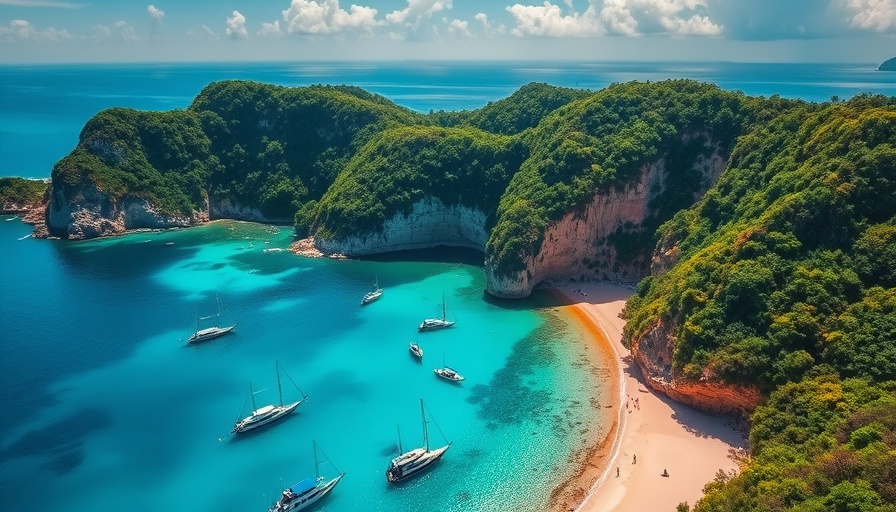
Explore best things to do in the Philippines with scenic landscapes.

Discovering the Beauty of the Philippines

The Philippines, an archipelago consisting of over 7,000 islands, is a treasure trove of stunning landscapes, rich history, and vibrant culture. For those over 60 seeking a unique travel experience, this tropical paradise offers everything from serene beaches to bustling city life. In this article, we will explore some of the best things to do in the Philippines, highlighting activities that cater to all types of travelers, especially those who may prefer a slower-paced adventure.

In 'Top 10 Best Things to Do in The Philippines', the discussion dives into the vibrant culture and natural beauty of the Philippines, exploring key insights that sparked deeper analysis on our end.

Historical Context: Why Visit the Philippines?

The Philippines has a unique history shaped by various cultural influences, from indigenous traditions to Spanish colonization. Visiting historical sites such as Intramuros in Manila allows travelers to step back in time and appreciate the country’s colonial architecture and rich heritage. For seniors interested in history, taking guided tours can provide deeper insights into the Filipino culture and the legacy that has shaped this nation.

Connecting with Nature: A Tropical Escape

The Philippines is known for its breathtaking natural beauty, making it an ideal destination for those who love the great outdoors. From the pristine beaches of Boracay to the lush rice terraces in Banaue, nature enthusiasts will find countless opportunities to explore. Gentle walks along coastal paths or boat tours through scenic waters can offer a leisurely way for seniors to immerse themselves in the stunning landscapes.

Cultural Experiences: Dive into Local Traditions

Embracing local culture is one of the best ways to enrich your travel experience in the Philippines. Consider participating in a traditional cooking class, where you can learn to make local dishes like adobo or lumpia. These hands-on experiences offer a delicious way to connect with Filipino culture while creating lasting memories. Additionally, visits to local festivals can showcase the festive spirit and traditions of the regions you explore.

Unique Benefits of Knowing the Philippine Islands

Understanding the nuances of different islands can enhance your travel experience. Each island offers something unique, from the vibrant nightlife in Cebu City to the tranquil atmosphere of Siquijor. By choosing a mix of popular and lesser-known spots, you can create a well-rounded itinerary that helps you avoid crowds and discover hidden gems that are often overlooked by mainstream tourists.

Practical Insights for Senior Travelers

Before embarking on your journey, it's vital to consider some practical tips. Ensure that you prioritize your health by consulting with your doctor about required vaccinations and medications. It's also wise to purchase travel insurance that specifically covers international trips for seniors. Familiarizing yourself with local customs and learning a few essential Tagalog phrases can enhance your interactions and help you feel more at home during your stay.

Future Travel Trends: Embracing Wellness and Relaxation

As the travel landscape continues to evolve, wellness tourism is becoming increasingly popular among older adults. The Philippines offers many spa resorts and wellness retreats that focus on relaxation and rejuvenation. Whether it's a massage on the beach or participating in yoga sessions overlooking stunning vistas, these experiences allow seniors to unwind and recharge amidst serene surroundings.

Frequently Asked Questions for Senior Travelers

As travel for seniors can involve many considerations, we’ve compiled a few common questions:

  • Is it safe for seniors to travel to the Philippines? - Yes, with proper precautions and planning, the Philippines is a safe destination for seniors. It's best to stay in reputable accommodations and keep informed about the areas you're visiting.
  • What is the best time to visit? - The dry season from November to April is ideal for visiting, as the weather is pleasant and perfect for beach activities.
  • What should I pack? - Lightweight clothing, comfortable shoes, necessary medications, and a good sunscreen are essential for enjoying your time in this tropical climate.

Conclusion: Your Next Adventure Awaits!

The Philippines is not just a destination but an experience waiting to unfold. Whether you’re exploring historical landmarks, indulging in local cuisine, or relaxing on beautiful beaches, there’s something for every traveler. Embrace the opportunity to create new memories and stories that you can share with family and friends. Travel not only expands our horizons but also enriches our lives in countless ways. It’s time to pack your bags and embark on your journey to this tropical paradise! Don't miss out on the vibrant culture and serene landscapes waiting for you in the Philippines.

Travel

18 Views

Write A Comment

*
*
Please complete the captcha to submit your comment.
Related Posts All Posts
08.22.2026

In Norway, A Boater's Attempt to Wake a Polar Bear Ends in Regret

Update The High Seas of Adventure: A Lesson in Respecting Wildlife Imagine sailing through the breathtaking landscapes of Norway, the cool sea breeze on your face, and an unexpected sight brushes your gaze—a sleeping polar bear on the shore. This was the scenario for a group of boaters in Svalbard, who, in a moment of poor judgment, decided to wake the majestic creature with the loud blast of their ship's horn. What followed was not just a startled bear, but also a hefty fine that served as a stern reminder of the regulations designed to protect wildlife. Why Was This Attraction So Irresistible? Svalbard, a stunning archipelago in the Arctic, has become a hotspot for tourists eager to catch a glimpse of its famous inhabitants, including polar bears. The allure of observing wildlife in their natural habitat can lead some to take risks that jeopardize both the animals and themselves. However, these encounters come with strict penalties for disturbance, especially under Norway's updated environmental laws in 2025 aimed at protecting these vulnerable species. The thrill of wildlife observation can sometimes lead to reckless behavior, which is what happened in this unfortunate incident. Norway's regulations reflect a fundamental understanding of the delicate balance between human curiosity and wildlife protection. For those who may not know, the Svalbard archipelago is known for its remote and pristine environment. The rules are designed to minimize human impact on an island ecosystem that is both fragile and irreplaceable. As this incident demonstrates, the excitement of getting close to a wild animal can tempt individuals to ignore the law. The Consequences of Ignorance The boater involved was fined over 50,000 Norwegian kroner (approximately $5,300) for violating the Svalbard Environmental Act by intentionally disturbing the bear. The quick report from fellow passengers indicates growing awareness among tourists about wildlife protection laws, but it's also a clarion call for more education. As residents of Louisiana enjoy their own rich natural heritage, from the swamps to the Gulf Coast, it's easy to draw parallels about the importance of respecting wildlife across various ecosystems. Louisiana is home to unique wildlife, including American alligators, loggerhead turtles, and a variety of migratory birds. However, many do not realize that just like in Norway, our interactions with these creatures need to be managed wisely. Each year, wildlife officials in Louisiana remind the public to respect the space of animals, particularly during breeding seasons. Similarly, folks in Svalbard are reminded to maintain a safe distance, especially as polar bears face challenges from climate change, leading to increased risks. Connecting the Dots: Louisiana and Its Unique Wildlife In Louisiana, similar rules govern interactions with local wildlife, such as alligators and migratory birds. Just as Svalbard requires keeping a safe distance from polar bears, Louisiana law reminds us to appreciate its wildlife from a respectful distance. This not only assures your safety but also the well-being of the animals. Echoing the sentiments of Norwegian authorities, it’s crucial for locals and visitors to honor nature’s space. To give you context, alligators, which are quite common throughout our wetlands, can become aggressive if approached too closely, especially during nesting season. Much like the polar bear incident in Norway, getting too close can lead to dangerous encounters. To protect both visitors and wildlife, Louisiana offers guidelines on how to observe animals safely without putting oneself or the ecosystem at risk. The Road to Enlightenment: Action and Awareness This incident raises a vital discussion about wildlife conservation and the role each person plays in it. Organizations and local communities in Louisiana can serve as founding pillars for promoting educational programs focused on wildlife necessities, consequences of disturbances, and the importance of coexisting harmoniously with nature. For instance, local wildlife centers often host workshops and events aimed at informing the public about safe wildlife observation practices. Making use of educational resources can lead to greater understanding and fewer reckless choices made by visitors. Like the unfortunate boater, we must all learn that actions have consequences—our delight in wildlife should never come at the cost of their peace. Looking to the Future: The Role of Tour Operators Tour operators in travel-heavy areas, including the pristine landscapes of Norway and Louisiana’s picturesque bayous, must undertake the responsibility of educating their clients. Trips should start with a briefing on local wildlife laws, emphasizing a zero-tolerance policy toward disturbances. Imagine enjoying a thrilling tour while learning about the profound beauty and fragility of our natural habitat. This proactive approach fosters respect and appreciation, leading to enriching experiences without conflict. Educated participants are likely to share their knowledge, creating a ripple effect that encourages a culture of respect for wildlife, ensuring a balance between human activities and the natural world. The Takeaway: Respect for Nature Nature provides us with astounding beauty and unique experiences; however, that comes with the responsibility of respecting it. As Louisiana residents, appreciate the wildlife that our own landscapes offer in a responsible manner, similar to the lessons reflected in Norway’s Svalbard. Bridging these learnings allows us to become stewards of wildlife conservation while crafting memorable experiences that highlight the joy we can derive from our natural environments. The principle remains clear: respect wildlife, both in Louisiana and beyond. The next time you’re out in the great outdoors, remember the recent lessons shared through this incident and think about how you can respect and protect the wildlife around you—your next adventure is just waiting to unfold!

08.22.2026

How a Man's 120-Foot Plunge into a Creek Became a Community Tale of Rescue

Update An Incredible Rescue in Glacier National Park On a seemingly ordinary day at Glacier National Park, adventure turned to tragedy when Ken Nurse, visiting with family and friends, fell 120 feet into McDonald Creek while attempting to capture the perfect photograph. This accident highlights not only the risks of exploring nature's beauty but also the power of human kindness and quick thinking. A Moment of Beauty Becomes a Fight for Survival It was on August 13, when Nurse, excited to admire McDonald Falls, moved near the edge of a cliff for a better view. As luck would have it, the ground gave way beneath him, and he plunged into the creek below. Ken's wife, Renae, had just left to warm up in their car, blissfully unaware that a few moments later, their lives would change forever. Families visiting these national parks often find themselves caught in stunning moments, temporarily distracted by the beauty around them, reinforcing the need to stay alert. The Heroic Bystander Witnesses described the harrowing scene as a bystander jumped into the creek without hesitation. This brave soul, realizing that Nurse was face down and unresponsive, acted swiftly, pulling him to shallower water and beginning chest compressions. Thanks to this individual's quick response, Nurse received the help he so desperately needed. The courage displayed by strangers in times of crisis serves as a powerful reminder that sometimes heroes walk among us, ready to take action when it matters most. Rescue Operations: A Lifeline from Above When Two Bear Air Rescue arrived on scene, rangers were already attending to Nurse, who required immediate medical attention. A helicopter crew member was lowered to him, highlighting the collaboration of park rangers and air rescue teams in emergencies. It’s a poignant reminder of the teamwork and specialized training that allows them to operate so effectively in such challenging environments. The advanced technology and quick deployment of rescue teams reflect the park's commitment to visitor safety, showcasing the sturdy lifeline that exists for those who find themselves in peril while exploring. Recovery and Gratitude After two days on a ventilator due to severe injuries—including cracked ribs and a compound fracture of his elbow—Ken Nurse emerged from this near-death experience with an overwhelming sense of gratitude. “I owe everyone my life,” he expressed, acknowledging the selflessness of both the bystander and rescue team who were instrumental in saving him. His heartfelt message resonates beyond his personal experience, reminding us of the vitality of compassion and community support. It’s inspiring to see how adversity can bring out the best in people and how a community can rally around those in need. The Risks of Adventure Photography Nurse's story serves as a cautionary tale for adventurers and photography enthusiasts alike. While exploring national parks can be breathtaking, it's essential to stay aware of surroundings and respect the boundaries set for visitor safety. One slip can lead to severe consequences, especially near cliffs and waterfalls. As many of us might recall, capturing the perfect shot often draws us closer to the edge of natural beauty—but it’s vital to remember that safety should always come first. Consider using a tripod or stabilizing gear to shoot from a safer distance instead of leaning over ledges and risking a fall. Heat, Wildlife, and Other Challenges While Hiking As summer approaches in Louisiana, many residents look to national parks for comfort and adventure. Whether it’s hiking, wildlife photography, or simply getting out into the fresh air, it’s vital to prepare adequately. The unpredictable nature of wildlife and terrain should never be underestimated. Always check weather conditions, let someone know your plans, and carry a first-aid kit for emergencies. While the thrill of spotting deer or other wildlife can be exhilarating, maintaining a safe distance from animals can prevent potentially dangerous encounters. Connecting with Our Community Through Adventure Ken Nurse’s experience is an important reminder that adventures are best shared with a team. The connections we build with our family, friends, and even strangers can make our lives richer and help in dire situations. Engaging in outdoor activities not only fosters a sense of excitement but also nurtures the bonds we share. This is especially important for older adults seeking both physical activity and social connections. Joining local hiking groups or participating in guided tours can enhance the experience and ensure a safer outing while making new friendships. What We Can Learn from Ken Nurse’s Misadventure It’s easy to take risks for that perfect shot in the great outdoors, but safety should always be your top priority. Educate yourself about local parks: their trails, weather conditions, and potential hazards. Build a habit of making safety your first consideration, whether it means sticking to established paths or checking in with park rangers for guidance. Understanding the terrain and having an appreciation for the risks involved can turn a regular day of exploration into a safe and memorable experience. Nurse’s story resonates as a wake-up call, demonstrating that our pursuit of beauty in nature should never compromise our safety. If you think about getting out there and exploring, remember—adventure is best when approached with caution and respect. Don’t hesitate to pause, reflect, and acknowledge the magnificence of nature from a safe distance, ensuring you’ll have more adventures to come. Join in honoring the heroes among us—whether they are professional rescuers or courageous bystanders. Let’s continue sharing stories and supporting one another. Stay safe while enjoying the beauty of Louisiana’s parks!

08.21.2026

Raging Flood at Mae Sa Waterfall: A Warning for Adventurous Souls

Update When Adventure Turns into a Struggle In a scene reminiscent of a heart-pounding movie, tourists at Mae Sa Waterfall in Chiang Mai, Thailand found themselves fighting for survival as a sudden flash flood swept them downstream. This October day, often anticipated for its beauty, turned treacherous in a matter of seconds. The events unfolded rapidly on August 15, sending shockwaves through the travel community and raising alarms about the natural dangers that can lurk beneath nature's allure. A Cautionary Tale from Thailand Desperate tourists were caught on video clinging to one another as the ferocious currents acted more like a powerful whirlpool than a serene waterfall. Eyewitness Arttie Martin was right by their side, planning to capture a picturesque moment of the waterfall when he noticed the ominous rush of water. "I was just a whisper away from disaster," he recalled. While their physical injuries were limited to minor scratches, the emotional scars of such a harrowing experience may linger longer. Moments like these can shake even the most seasoned traveler, reminding us all of the unpredictability of nature. Weathering the Seasons: Understanding the Risks Thailand, known for its picturesque scenery, becomes a different landscape during the rainy season. Tourists are often lured by the allure of its enchanting waterfalls, but as reported by Martin, caution is essential. "The conditions can change swiftly; one moment you’re taking a photo and the next, you’re in the midst of a life-threatening situation," he said. This serves as a reminder for all adventurers, not just in Thailand but across the globe. Weather patterns can shift rapidly, affecting everything from hiking conditions to the safety of swimming areas. As travelers prepare for outings, being aware of seasonal changes and their impacts should be at the forefront of their minds. Lessons Learned for Leisure Travelers For Louisiana residents over the age of 60, the message resonates strongly: prioritize safety when planning travel adventures. Whether it's a serene visit to a waterfall or hiking in the great outdoors, ensure to heed caution signs and local advisories. Being informed can mean the difference between enjoyment and danger. As you gear up for your next trip, consider a few essential safety tips to protect yourself and your loved ones. Firstly, do a little research regarding the destinations you plan to visit. Websites, travel forums, and even local news sources can provide critical information about current environmental conditions. If there are warnings in place due to weather conditions, listen to them. Secondly, when you arrive at a location, monitor the natural landscape and note any recognizable changes in water flow or weather patterns. During the rainy season in places like Thailand, it’s vital to remain vigilant. A calm river can swiftly transform into a raging torrent. Building Connections Through Travel This narrative isn't just about survival; it highlights the bonds formed in the face of adversity. As the tourists clung together, their plight becomes a poignant reminder of human connection. It reveals how travel can bring us together, even in the most unpredictable situations. Perhaps the next time someone mentions a waterfall, you’ll not only think about its beauty but the shared tales that accompany each visit. The friendships forged during travels often become part of our cherished memories, creating stories that we recount for years to come. Whether it’s a laugh with fellow tourists during a common ordeal or sharing a meal with local residents, the connections we make can be as enriching as the experiences themselves. A Final Word: Stay Informed, Stay Safe Ultimately, the experience at Mae Sa Waterfall serves as a collective warning. In our pursuit of exploration and joy, we must always embrace caution. Know your surroundings, monitor weather conditions, and remember that nature is both beautiful and unpredictable. Traveling is about creating memories, and with the right precautions, those memories can be filled with laughter rather than fear. As you plot your next journey, consider the plethora of ways you can keep your travel experiences safe and enjoyable. As we reminisce about travels past and plan our future adventures, let's prioritize safety and stay connected with fellow travelers. Seeking adventure is part of the human spirit, but protecting ourselves while doing so is essential. If you find yourself in environments that are prone to sudden changes, like waterfalls or rivers, always keep an eye out for local guidelines and limit your exposure to high-risk areas. Take Action: Plan Your Next Safe Adventure! With these insights in hand, it's time to consider your next travel destination. What place has been on your list, and how can you prepare to make it a safe and enjoyable experience? Consider starting small with local excursions where you can familiarize yourself with safety procedures. Gather your friends or family, share these stories, and ensure everyone is educated on safety protocols as you embark on your next adventure. Happy and safe travels await you! In conclusion, the experiences shared from events like the one at Mae Sa Waterfall serve as essential reminders. They do not mean to deter you from adventure, but rather encourage you to fully appreciate and respect the beauty of nature. By taking a few simple precautions, you can continue to engage with the world around you and enjoy the wonders it has to offer, all while keeping safety as a top priority.

Golden Years of Louisiana

GoldenYearsLA.com is Louisiana’s trusted online magazine for seniors, offering lifestyle inspiration, health tips, financial guidance, and travel ideas tailored to you.

  • Privacy Policy
  • Terms of Use
  • Advertise
  • Contact Us
  • Menu 5
  • Menu 6
Hours

AVAILABLE M-F 9AM - 5PM CST

Hall Street Media

Hall Street Media is a Louisiana-based media company creating engaging digital publications for lifestyle, health, business, and regional audiences across the Gulf South.

© 2026 Golden Years of Louisiana All Rights Reserved. Hall Street Media, Lafayette, Louisiana 70501 . Contact Us . Terms of Service . Privacy Policy

eyJjb21wYW55IjoiR29sZGVuIFllYXJzIG9mIExvdWlzaWFuYSIsImFkZHJlc3MiOiJIYWxsIFN0cmVldCBNZWRpYSIsImNpdHkiOiJMYWZheWV0dGUiLCJzdGF0ZSI6IkxvdWlzaWFuYSIsInppcCI6IjcwNTAxIiwiZW1haWwiOiJnb2xkZW55ZWFyc2xhQGdtYWlsLmNvbSIsInRvcyI6IlBIQStQSE4wY205dVp6NDhaVzArVjJobGJpQjViM1VnYzJsbmJpMXBiaUIzYVhSb0lIVnpMQ0I1YjNVZ1lYSmxJR2RwZG1sdVp5WnVZbk53T3lCNWIzVnlJSEJsY20xcGMzTnBiMjRnWVc1a0lHTnZibk5sYm5RZ2RHOGdjMlZ1WkNCNWIzVWdaVzFoYVd3Z1lXNWtMMjl5SUZOTlV5QjBaWGgwSUcxbGMzTmhaMlZ6TGlCQ2VTQmphR1ZqYTJsdVp5QjBhR1VnVkdWeWJYTWdZVzVrSUVOdmJtUnBkR2x2Ym5NZ1ltOTRJR0Z1WkNCaWVTQnphV2R1YVc1bklHbHVJSGx2ZFNCaGRYUnZiV0YwYVdOaGJHeDVJR052Ym1acGNtMGdkR2hoZENCNWIzVWdZV05qWlhCMElHRnNiQ0IwWlhKdGN5QnBiaUIwYUdseklHRm5jbVZsYldWdWRDNDhMMlZ0UGp3dmMzUnliMjVuUGp3dmNENEtDanh3UG1oMGRIQnpPaTh2WjI5c1pHVnVlV1ZoY25Oc1lTNWpiMjA4TDNBK0NnbzhjRDRtYm1KemNEczhMM0ErQ2dvOGNENDhjM1J5YjI1blBsTkZVbFpKUTBVOEwzTjBjbTl1Wno0OEwzQStDZ284Y0Q1WFpTQndjbTkyYVdSbElHRWdjMlZ5ZG1salpTQjBhR0YwSUdOMWNuSmxiblJzZVNCaGJHeHZkM01nZVc5MUlIUnZJSEpsWTJWcGRtVWdjbVZ4ZFdWemRITWdabTl5SUdabFpXUmlZV05yTENCamIyMXdZVzU1SUdsdVptOXliV0YwYVc5dUxDQndjbTl0YjNScGIyNWhiQ0JwYm1admNtMWhkR2x2Yml3Z1kyOXRjR0Z1ZVNCaGJHVnlkSE1zSUdOdmRYQnZibk1zSUdScGMyTnZkVzUwY3lCaGJtUWdiM1JvWlhJZ2JtOTBhV1pwWTJGMGFXOXVjeUIwYnlCNWIzVnlJR1Z0WVdsc0lHRmtaSEpsYzNNZ1lXNWtMMjl5SUdObGJHeDFiR0Z5SUhCb2IyNWxJRzl5SUdSbGRtbGpaUzRnV1c5MUlIVnVaR1Z5YzNSaGJtUWdZVzVrSUdGbmNtVmxJSFJvWVhRZ2RHaGxJRk5sY25acFkyVWdhWE1nY0hKdmRtbGtaV1FnSm5GMWIzUTdRVk10U1ZNbWNYVnZkRHNnWVc1a0lIUm9ZWFFnZDJVZ1lYTnpkVzFsSUc1dklISmxjM0J2Ym5OcFltbHNhWFI1SUdadmNpQjBhR1VnZEdsdFpXeHBibVZ6Y3l3Z1pHVnNaWFJwYjI0c0lHMXBjeTFrWld4cGRtVnllU0J2Y2lCbVlXbHNkWEpsSUhSdklITjBiM0psSUdGdWVTQjFjMlZ5SUdOdmJXMTFibWxqWVhScGIyNXpJRzl5SUhCbGNuTnZibUZzYVhwaGRHbHZiaUJ6WlhSMGFXNW5jeTQ4TDNBK0NnbzhjRDVaYjNVZ1lYSmxJSEpsYzNCdmJuTnBZbXhsSUdadmNpQnZZblJoYVc1cGJtY2dZV05qWlhOeklIUnZJSFJvWlNCVFpYSjJhV05sSUdGdVpDQjBhR0YwSUdGalkyVnpjeUJ0WVhrZ2FXNTJiMngyWlNCMGFHbHlaQ0J3WVhKMGVTQm1aV1Z6SUNoemRXTm9JR0Z6SUZOTlV5QjBaWGgwSUcxbGMzTmhaMlZ6TENCSmJuUmxjbTVsZENCelpYSjJhV05sSUhCeWIzWnBaR1Z5SUc5eUlHTmxiR3gxYkdGeUlHRnBjblJwYldVZ1kyaGhjbWRsY3lrdUlGbHZkU0JoY21VZ2NtVnpjRzl1YzJsaWJHVWdabTl5SUhSb2IzTmxJR1psWlhNc0lHbHVZMngxWkdsdVp5QjBhRzl6WlNCbVpXVnpJR0Z6YzI5amFXRjBaV1FnZDJsMGFDQjBhR1VnWkdsemNHeGhlU0J2Y2lCa1pXeHBkbVZ5ZVNCdlppQmxZV05vSUZOTlV5QjBaWGgwSUcxbGMzTmhaMlVnYzJWdWRDQjBieUI1YjNVZ1lua2dkWE11SUVsdUlHRmtaR2wwYVc5dUxDQjViM1VnYlhWemRDQndjbTkyYVdSbElHRnVaQ0JoY21VZ2NtVnpjRzl1YzJsaWJHVWdabTl5SUdGc2JDQmxjWFZwY0cxbGJuUWdibVZqWlhOellYSjVJSFJ2SUdGalkyVnpjeUIwYUdVZ1UyVnlkbWxqWlNCaGJtUWdjbVZqWldsMlpTQjBhR1VnVTAxVElIUmxlSFFnYldWemMyRm5aWE11SUZkbElHUnZJRzV2ZENCamFHRnlaMlVnWVc1NUlHWmxaWE1nWm05eUlHUmxiR2wyWlhKNUlHOW1JR1Z0WVdsc0lHOXlJRk5OVXk0Z1ZHaHBjeUJwY3lCaElHWnlaV1VnYzJWeWRtbGpaU0J3Y205MmFXUmxaQ0JpZVNCMWN5NGdTRzkzWlhabGNpd2djR3hsWVhObElHTm9aV05ySUhkcGRHZ2dlVzkxY2lCcGJuUmxjbTVsZENCelpYSjJhV05sSUhCeWIzWnBaR1Z5SUdGdVpDQmpaV3hzZFd4aGNpQmpZWEp5YVdWeUlHWnZjaUJoYm5rZ1kyaGhjbWRsY3lCMGFHRjBJRzFoZVNCcGJtTjFjaUJoY3lCaElISmxjM1ZzZENCbWNtOXRJSEpsWTJWcGRtbHVaeUJsYldGcGJDQmhibVFnVTAxVElIUmxlSFFnYldWemMyRm5aWE1nZEdoaGRDQjNaU0JrWld4cGRtVnlJSFZ3YjI0Z2VXOTFjaUJ2Y0hRdGFXNGdZVzVrSUhKbFoybHpkSEpoZEdsdmJpQjNhWFJvSUc5MWNpQmxiV0ZwYkNCaGJtUWdVMDFUSUhObGNuWnBZMlZ6TGlCWmIzVWdZMkZ1SUdOaGJtTmxiQ0JoZENCaGJua2dkR2x0WlM0Z1NuVnpkQ0IwWlhoMElDWnhkVzkwTzFOVVQxQW1jWFZ2ZERzZ2RHOG1ibUp6Y0RzOGFHbG5hR3hwWjJoMElHTnNZWE56UFNKamIyMXdZVzU1VTAxVFVHaHZibVZWY0dSaGRHVWlQbTUxYkd3OEwyaHBaMmhzYVdkb2RENHVJRUZtZEdWeUlIbHZkU0J6Wlc1a0lIUm9aU0JUVFZNZ2JXVnpjMkZuWlNBbWNYVnZkRHRUVkU5UUpuRjFiM1E3SUhSdklIVnpMQ0IzWlNCM2FXeHNJSE5sYm1RZ2VXOTFJR0Z1SUZOTlV5QnRaWE56WVdkbElIUnZJR052Ym1acGNtMGdkR2hoZENCNWIzVWdhR0YyWlNCaVpXVnVJSFZ1YzNWaWMyTnlhV0psWkM0Z1FXWjBaWElnZEdocGN5d2dlVzkxSUhkcGJHd2dibThnYkc5dVoyVnlJSEpsWTJWcGRtVWdVMDFUSUcxbGMzTmhaMlZ6SUdaeWIyMGdkWE11UEM5d1Bnb0tQSEErUEhOMGNtOXVaejVaVDFWU0lGSkZSMGxUVkZKQlZFbFBUaUJQUWt4SlIwRlVTVTlPVXp3dmMzUnliMjVuUGp3dmNENEtDanh3UGtsdUlHTnZibk5wWkdWeVlYUnBiMjRnYjJZZ2VXOTFjaUIxYzJVZ2IyWWdkR2hsSUZObGNuWnBZMlVzSUhsdmRTQmhaM0psWlNCMGJ6bzhMM0ErQ2dvOGIydytDZ2s4YkdrK2NISnZkbWxrWlNCMGNuVmxMQ0JoWTJOMWNtRjBaU3dnWTNWeWNtVnVkQ0JoYm1RZ1kyOXRjR3hsZEdVZ2FXNW1iM0p0WVhScGIyNGdZV0p2ZFhRZ2VXOTFjbk5sYkdZZ1lYTWdjSEp2YlhCMFpXUWdZbmtnZEdobElGTmxjblpwWTJVbUl6TTVPM01nY21WbmFYTjBjbUYwYVc5dUlHWnZjbTBnS0hOMVkyZ2dhVzVtYjNKdFlYUnBiMjRnWW1WcGJtY2dkR2hsSUNaeGRXOTBPMUpsWjJsemRISmhkR2x2YmlCRVlYUmhKbkYxYjNRN0tTQmhibVE4TDJ4cFBnb0pQR3hwUG0xaGFXNTBZV2x1SUdGdVpDQndjbTl0Y0hSc2VTQjFjR1JoZEdVZ2RHaGxJRkpsWjJsemRISmhkR2x2YmlCRVlYUmhJSFJ2SUd0bFpYQWdhWFFnZEhKMVpTd2dZV05qZFhKaGRHVXNJR04xY25KbGJuUWdZVzVrSUdOdmJYQnNaWFJsTGlCSlppQjViM1VnY0hKdmRtbGtaU0JoYm5rZ2FXNW1iM0p0WVhScGIyNGdkR2hoZENCcGN5QjFiblJ5ZFdVc0lHbHVZV05qZFhKaGRHVXNJRzV2ZENCamRYSnlaVzUwSUc5eUlHbHVZMjl0Y0d4bGRHVXNJRzl5SUhkbElHaGhkbVVnY21WaGMyOXVZV0pzWlNCbmNtOTFibVJ6SUhSdklITjFjM0JsWTNRZ2RHaGhkQ0J6ZFdOb0lHbHVabTl5YldGMGFXOXVJR2x6SUhWdWRISjFaU3dnYVc1aFkyTjFjbUYwWlN3Z2JtOTBJR04xY25KbGJuUWdiM0lnYVc1amIyMXdiR1YwWlN3Z2QyVWdhR0YyWlNCMGFHVWdjbWxuYUhRZ2RHOGdjM1Z6Y0dWdVpDQnZjaUE4YzNSeWIyNW5Qanh6Y0dGdUlITjBlV3hsUFNKamIyeHZjam9qUmtZd01EQXdPeUkrZEdWeWJXbHVZWFJsSUhsdmRYSWdZV05qYjNWdWRDOXdjbTltYVd4bElHRnVaQ0J5WldaMWMyVWdZVzU1SUdGdVpDQmhiR3dnWTNWeWNtVnVkQ0J2Y2lCbWRYUjFjbVVnZFhObElHOW1JSFJvWlNCVFpYSjJhV05sSUNodmNpQmhibmtnY0c5eWRHbHZiaUIwYUdWeVpXOW1LUzQ4TDNOd1lXNCtQQzl6ZEhKdmJtYytQQzlzYVQ0S1BDOXZiRDRLQ2p4d1BpWnVZbk53T3p3dmNENEtQR2hwWjJoc2FXZG9kQ0JqYkdGemN6MGlZMjl0Y0dGdWVVNWhiV1ZWY0dSaGRHVWlQa2R2YkdSbGJpQlpaV0Z5Y3lCdlppQk1iM1ZwYzJsaGJtRThMMmhwWjJoc2FXZG9kRDQ4WW5JZ0x6NEtQR2hwWjJoc2FXZG9kQ0JqYkdGemN6MGlZMjl0Y0dGdWVVVnRZV2xzVlhCa1lYUmxJajVuYjJ4a1pXNTVaV0Z5YzJ4aFFHZHRZV2xzTG1OdmJUd3ZhR2xuYUd4cFoyaDBQZz09IiwicHJpdmFjeSI6IlBIQStQSE4wY205dVp6NVFVa2xXUVVOWlBDOXpkSEp2Ym1jK1BDOXdQZ29LUEhBK1BITjBjbTl1Wno1VWFHVWdhVzVtYjNKdFlYUnBiMjRnY0hKdmRtbGtaV1FnWkhWeWFXNW5JSFJvYVhNZ2NtVm5hWE4wY21GMGFXOXVJR2x6SUd0bGNIUWdjSEpwZG1GMFpTQmhibVFnWTI5dVptbGtaVzUwYVdGc0xDQmhibVFnZDJsc2JDQnVaWFpsY2lCaVpTQmthWE4wY21saWRYUmxaQ3dnWTI5d2FXVmtMQ0J6YjJ4a0xDQjBjbUZrWldRZ2IzSWdjRzl6ZEdWa0lHbHVJR0Z1ZVNCM1lYa3NJSE5vWVhCbElHOXlJR1p2Y20wdUlGUm9hWE1nYVhNZ2IzVnlJR2QxWVhKaGJuUmxaUzQ4TDNOMGNtOXVaejQ4TDNBK0NnbzhjRDQ4YzNSeWIyNW5Qa2xPUkVWTlRrbFVXVHd2YzNSeWIyNW5Qand2Y0Q0S0NqeHdQanhsYlQ1WmIzVWdZV2R5WldVZ2RHOGdhVzVrWlcxdWFXWjVJR0Z1WkNCb2IyeGtJSFZ6TENCaGJtUWdhWFJ6SUhOMVluTnBaR2xoY21sbGN5d2dZV1ptYVd4cFlYUmxjeXdnYjJabWFXTmxjbk1zSUdGblpXNTBjeXdnWTI4dFluSmhibVJsY25NZ2IzSWdiM1JvWlhJZ2NHRnlkRzVsY25Nc0lHRnVaQ0JsYlhCc2IzbGxaWE1zSUdoaGNtMXNaWE56SUdaeWIyMGdZVzU1SUdOc1lXbHRJRzl5SUdSbGJXRnVaQ3dnYVc1amJIVmthVzVuSUhKbFlYTnZibUZpYkdVZ1lYUjBiM0p1WlhsekppTXpPVHNnWm1WbGN5d2diV0ZrWlNCaWVTQmhibmtnZEdocGNtUWdjR0Z5ZEhrZ1pIVmxJSFJ2SUc5eUlHRnlhWE5wYm1jZ2IzVjBJRzltSUVOdmJuUmxiblFnZVc5MUlISmxZMlZwZG1Vc0lITjFZbTFwZEN3Z2NtVndiSGtzSUhCdmMzUXNJSFJ5WVc1emJXbDBJRzl5SUcxaGEyVWdZWFpoYVd4aFlteGxJSFJvY205MVoyZ2dkR2hsSUZObGNuWnBZMlVzSUhsdmRYSWdkWE5sSUc5bUlIUm9aU0JUWlhKMmFXTmxMQ0I1YjNWeUlHTnZibTVsWTNScGIyNGdkRzhnZEdobElGTmxjblpwWTJVc0lIbHZkWElnZG1sdmJHRjBhVzl1SUc5bUlIUm9aU0JVVDFNc0lHOXlJSGx2ZFhJZ2RtbHZiR0YwYVc5dUlHOW1JR0Z1ZVNCeWFXZG9kSE1nYjJZZ1lXNXZkR2hsY2k0OEwyVnRQand2Y0Q0S0NqeHdQanh6ZEhKdmJtYytSRWxUUTB4QlNVMUZVaUJQUmlCWFFWSlNRVTVVU1VWVFBDOXpkSEp2Ym1jK1BDOXdQZ29LUEhBK1BITjBjbTl1Wno1WlQxVWdSVmhRVWtWVFUweFpJRlZPUkVWU1UxUkJUa1FnUVU1RUlFRkhVa1ZGSUZSSVFWUTZQQzl6ZEhKdmJtYytQQzl3UGdvS1BHOXNQZ29KUEd4cFBsbFBWVklnVlZORklFOUdJRlJJUlNCVFJWSldTVU5GSUVsVElFRlVJRmxQVlZJZ1UwOU1SU0JTU1ZOTExpQlVTRVVnVTBWU1ZrbERSU0JKVXlCUVVrOVdTVVJGUkNCUFRpQkJUaUFtY1hWdmREdEJVeUJKVXlaeGRXOTBPeUJCVGtRZ0puRjFiM1E3UVZNZ1FWWkJTVXhCUWt4RkpuRjFiM1E3SUVKQlUwbFRMaUFzTGlCQlRrUWdWVk1zSUVsVUppTXpPVHRUSUVOVlUxUlBUVVZTVXl3Z1JWaFFVa1ZUVTB4WklFUkpVME5NUVVsTlV5QkJURXdnVjBGU1VrRk9WRWxGVXlCUFJpQkJUbGtnUzBsT1JDd2dWMGhGVkVoRlVpQkZXRkJTUlZOVElFOVNJRWxOVUV4SlJVUXNJRWxPUTB4VlJFbE9SeXdnUWxWVUlFNVBWQ0JNU1UxSlZFVkVJRlJQSUZSSVJTQkpUVkJNU1VWRUlGZEJVbEpCVGxSSlJWTWdUMFlnVFVWU1EwaEJUbFJCUWtsTVNWUlpMQ0JHU1ZST1JWTlRJRVpQVWlCQklGQkJVbFJKUTFWTVFWSWdVRlZTVUU5VFJTQkJUa1FnVGs5T0xVbE9SbEpKVGtkRlRVVk9WQzQ4TDJ4cFBnb0pQR3hwUGsxQlMwVlRJRTVQSUZkQlVsSkJUbFJaSUZSSVFWUWdLR2twSUZSSVJTQlRSVkpXU1VORklGZEpURXdnVFVWRlZDQlpUMVZTSUZKRlVWVkpVa1ZOUlU1VVV5d2dLR2xwS1NCVVNFVWdVMFZTVmtsRFJTQlhTVXhNSUVKRklGVk9TVTVVUlZKU1ZWQlVSVVFzSUZSSlRVVk1XU3dnVTBWRFZWSkZMQ0JQVWlCRlVsSlBVaTFHVWtWRkxDQW9hV2xwS1NCVVNFVWdVa1ZUVlV4VVV5QlVTRUZVSUUxQldTQkNSU0JQUWxSQlNVNUZSQ0JHVWs5TklGUklSU0JWVTBVZ1QwWWdWRWhGSUZORlVsWkpRMFVnVjBsTVRDQkNSU0JCUTBOVlVrRlVSU0JQVWlCU1JVeEpRVUpNUlN3Z1FVNUVJQ2hwZGlrZ1FVNVpJRVZTVWs5U1V5QkpUaUJVU0VVZ1UwOUdWRmRCVWtVZ1YwbE1UQ0JDUlNCRFQxSlNSVU5VUlVRdVBDOXNhVDRLQ1R4c2FUNUJUbGtnVFVGVVJWSkpRVXdnUkU5WFRreFBRVVJGUkNCUFVpQlBWRWhGVWxkSlUwVWdUMEpVUVVsT1JVUWdWRWhTVDFWSFNDQlVTRVVnVlZORklFOUdJRlJJUlNCVFJWSldTVU5GSUVsVElFUlBUa1VnUVZRZ1dVOVZVaUJQVjA0Z1JFbFRRMUpGVkVsUFRpQkJUa1FnVWtsVFN5QkJUa1FnVkVoQlZDQlpUMVVnVjBsTVRDQkNSU0JUVDB4RlRGa2dVa1ZUVUU5T1UwbENURVVnUms5U0lFRk9XU0JFUVUxQlIwVWdWRThnV1U5VlVpQkRUMDFRVlZSRlVpQlRXVk5VUlUwZ1QxSWdURTlUVXlCUFJpQkVRVlJCSUZSSVFWUWdVa1ZUVlV4VVV5QkdVazlOSUZSSVJTQkVUMWRPVEU5QlJDQlBSaUJCVGxrZ1UxVkRTQ0JOUVZSRlVrbEJUQzQ4TDJ4cFBnb0pQR3hwUGs1UElFRkVWa2xEUlNCUFVpQkpUa1pQVWsxQlZFbFBUaXdnVjBoRlZFaEZVaUJQVWtGTUlFOVNJRmRTU1ZSVVJVNHNJRTlDVkVGSlRrVkVJRUpaSUZsUFZTQkdVazlOSUU5U0lGUklVazlWUjBnZ1QxSWdSbEpQVFNCVVNFVWdVMFZTVmtsRFJTQlRTRUZNVENCRFVrVkJWRVVnUVU1WklGZEJVbEpCVGxSWklFNVBWQ0JGV0ZCU1JWTlRURmtnVTFSQlZFVkVJRWxPSUZSSVJTQlVUMU11UEM5c2FUNEtQQzl2YkQ0S0NqeHdQanh6ZEhKdmJtYytURWxOU1ZSQlZFbFBUaUJQUmlCTVNVRkNTVXhKVkZrOEwzTjBjbTl1Wno0OEwzQStDZ284Y0Q1WlQxVWdSVmhRVWtWVFUweFpJRlZPUkVWU1UxUkJUa1FnUVU1RUlFRkhVa1ZGSUZSSVFWUWdRVTVFSUZOSVFVeE1JRTVQVkNCQ1JTQk1TVUZDVEVVZ1JrOVNJRUZPV1NCRVNWSkZRMVFzSUVsT1JFbFNSVU5VTENCSlRrTkpSRVZPVkVGTUxDQlRVRVZEU1VGTUxDQkRUMDVUUlZGVlJVNVVTVUZNSUU5U0lFVllSVTFRVEVGU1dTQkVRVTFCUjBWVExDQkpUa05NVlVSSlRrY2dRbFZVSUU1UFZDQk1TVTFKVkVWRUlGUlBMQ0JFUVUxQlIwVlRJRVpQVWlCTVQxTlRJRTlHSUZCU1QwWkpWRk1zSUVkUFQwUlhTVXhNTENCVlUwVXNJRVJCVkVFZ1QxSWdUMVJJUlZJZ1NVNVVRVTVIU1VKTVJTQk1UMU5UUlZNZ0tFVldSVTRnU1VZZ1NFRlRJRUpGUlU0Z1FVUldTVk5GUkNCUFJpQlVTRVVnVUU5VFUwbENTVXhKVkZrZ1QwWWdVMVZEU0NCRVFVMUJSMFZUS1N3Z1VrVlRWVXhVU1U1SElFWlNUMDA2UEM5d1Bnb0tQRzlzUGdvSlBHeHBQbFJJUlNCVlUwVWdUMUlnVkVoRklFbE9RVUpKVEVsVVdTQlVUeUJWVTBVZ1ZFaEZJRk5GVWxaSlEwVTdQQzlzYVQ0S0NUeHNhVDVVU0VVZ1EwOVRWQ0JQUmlCUVVrOURWVkpGVFVWT1ZDQlBSaUJUVlVKVFZFbFVWVlJGSUVkUFQwUlRJRUZPUkNCVFJWSldTVU5GVXlCU1JWTlZURlJKVGtjZ1JsSlBUU0JCVGxrZ1IwOVBSRk1zSUVSQlZFRXNJRWxPUms5U1RVRlVTVTlPSUU5U0lGTkZVbFpKUTBWVElGQlZVa05JUVZORlJDQlBVaUJQUWxSQlNVNUZSQ0JQVWlCTlJWTlRRVWRGVXlCU1JVTkZTVlpGUkNCUFVpQlVVa0ZPVTBGRFZFbFBUbE1nUlU1VVJWSkZSQ0JKVGxSUElGUklVazlWUjBnZ1QxSWdSbEpQVFNCVVNFVWdVMFZTVmtsRFJUczhMMnhwUGdvSlBHeHBQbFZPUVZWVVNFOVNTVnBGUkNCQlEwTkZVMU1nVkU4Z1QxSWdRVXhVUlZKQlZFbFBUaUJQUmlCWlQxVlNJRlJTUVU1VFRVbFRVMGxQVGxNZ1QxSWdSRUZVUVRzOEwyeHBQZ29KUEd4cFBsTlVRVlJGVFVWT1ZGTWdUMUlnUTA5T1JGVkRWQ0JQUmlCQlRsa2dWRWhKVWtRZ1VFRlNWRmtnVDA0Z1ZFaEZJRk5GVWxaSlEwVTdJRTlTUEM5c2FUNEtDVHhzYVQ1QlRsa2dUMVJJUlZJZ1RVRlVWRVZTSUZKRlRFRlVTVTVISUZSUElGUklSU0JUUlZKV1NVTkZMand2YkdrK0Nqd3ZiMncrQ2dvOGNENDhkVDVDZVNCeVpXZHBjM1JsY21sdVp5QmhibVFnYzNWaWMyTnlhV0pwYm1jZ2RHOGdiM1Z5SUdWdFlXbHNJR0Z1WkNCVFRWTWdjMlZ5ZG1salpTd2dZbmtnYjNCMExXbHVMQ0J2Ym14cGJtVWdjbVZuYVhOMGNtRjBhVzl1SUc5eUlHSjVJR1pwYkd4cGJtY2diM1YwSUdFZ1kyRnlaQ3dnSm5GMWIzUTdlVzkxSUdGbmNtVmxJSFJ2SUhSb1pYTmxJRlJGVWsxVElFOUdJRk5GVWxaSlEwVW1jWFZ2ZERzZ1lXNWtJSGx2ZFNCaFkydHViM2RzWldSblpTQmhibVFnZFc1a1pYSnpkR0Z1WkNCMGFHVWdZV0p2ZG1VZ2RHVnliWE1nYjJZZ2MyVnlkbWxqWlNCdmRYUnNhVzVsWkNCaGJtUWdaR1YwWVdsc1pXUWdabTl5SUhsdmRTQjBiMlJoZVM0OEwzVStQQzl3UGdvS1BIQStKbTVpYzNBN1BDOXdQZ284YUdsbmFHeHBaMmgwSUdOc1lYTnpQU0pqYjIxd1lXNTVUbUZ0WlZWd1pHRjBaU0krUjI5c1pHVnVJRmxsWVhKeklHOW1JRXh2ZFdsemFXRnVZVHd2YUdsbmFHeHBaMmgwUGp4aWNpQXZQZ284YUdsbmFHeHBaMmgwSUdOc1lYTnpQU0pqYjIxd1lXNTVRV1JrY21WemMxVndaR0YwWlNJK1NHRnNiQ0JUZEhKbFpYUWdUV1ZrYVdFc0lFeGhabUY1WlhSMFpTd2dURzkxYVhOcFlXNWhJRGN3TlRBeFBDOW9hV2RvYkdsbmFIUStQR0p5SUM4K0NqeG9hV2RvYkdsbmFIUWdZMnhoYzNNOUltTnZiWEJoYm5sUWFHOXVaVlZ3WkdGMFpTSStLekV6TXpjeU9EZzBOalkxUEM5b2FXZG9iR2xuYUhRK1BHSnlJQzgrQ2p4b2FXZG9iR2xuYUhRZ1kyeGhjM005SW1OdmJYQmhibmxGYldGcGJGVndaR0YwWlNJK1oyOXNaR1Z1ZVdWaGNuTnNZVUJuYldGcGJDNWpiMjA4TDJocFoyaHNhV2RvZEQ0PSJ9

Terms of Service

Privacy Policy

Core Modal Title

Sorry, no results found

You Might Find These Articles Interesting

T
Please Check Your Email
We Will Be Following Up Shortly
*
*
*