
• Home
  • Categories
    • Health
    • Money
    • Lifestyle
    • Travel
    • Entertainment
    • Louisiana News
    • Jobs and Careers
    • Featured
September 29.2026
4 Minutes Read

Essential Tips for Seniors Regarding the Boil Water Advisory in Independence

Flowing faucet water in Independence, Louisiana context.

Understanding the Boil Water Advisory: What You Need to Know

A precautionary boil water advisory has been issued for parts of Independence, Louisiana, prompting concerns for residents. For older adults, particularly those aged 55 and above, adhering to such advisories is crucial to safeguarding health. This advisory may arise due to issues such as contamination of the water supply or infrastructure problems in the municipal system. Understanding the implications of this advisory can help residents make informed decisions about their water use. It’s important to recognize that officials are taking unnecessary risks very seriously, thus the implementation of this advisory.

Importance of Water Safety for Seniors

For seniors, the risks associated with drinking contaminated water can be particularly severe. Aging bodies may have weakened immune systems, making them more susceptible to illnesses that can arise from waterborne pathogens. Conditions such as gastrointestinal infections, diarrhea, or even more serious illnesses can be exacerbated by contaminated water. It’s essential for older residents in Independence to take the advisory seriously, given their oftentimes fragile health conditions.

Additionally, the consequences of drinking contaminated water can extend beyond immediate health issues. For seniors, who might already face various health challenges, such ailments can lead to prolonged hospital stays or complications that hinder their overall wellbeing. Following guidelines for boiling water not only ensures personal safety but also contributes to community health overall.

Steps to Safely Prepare Your Water

Residents are advised to boil water for at least one minute before consumption or to use bottled water. Here’s a simple step-by-step guide to follow:

  • Bring water to a rolling boil for one full minute.
  • Let the water cool before use.
  • Store boiled water in clean, covered containers.

As an alternative, using bottled water for drinking, food preparation, and brushing teeth can serve as a temporary solution while the advisory is in effect. It's particularly important to remember that water quality is vital even for simple tasks like washing foods, so preparing fruits and vegetables with bottled water may also be a wise choice.

Community Impact: The Broader Picture

The advisory not only affects individual homes but also has broader implications for the community’s public health. Uncertainty can lead to panic, especially among vulnerable populations, including seniors who may feel isolated or anxious about the changes to their water supply. Local health officials emphasize the importance of communication to guide residents through such challenges.

Seniors should stay informed through official channels to receive up-to-date information on the advisory’s status. Community centers and local senior organizations often become hubs of information during such advisories, serving as important resources for reliable updates and support.

Resources for Seniors in Need

“Community agencies are often on standby to assist during emergencies,” says a local health official. “Our goal is to ensure that nobody is left unprotected.”

In times like these, it’s vital for older adults to know they have support. Local organizations may provide assistance with accessing bottled water or offer educational resources about water safety. Moreover, connections with family, friends, and neighbors can also enhance safety. For instance, seniors living alone may benefit from check-in calls or visits from community volunteers, ensuring they are not forgotten during such critical times.

Organizations like senior centers or local volunteer groups may formally or informally organize to distribute bottled water or offer rides to stores where residents can purchase their own. Staying connected with local churches or community outreach programs can also be beneficial, as they may have initiatives in place to help seniors in need during emergencies.

Looking Ahead: What Happens Next?

Once the situation is resolved, water systems will be tested for safety, and updates will be provided about lifting the advisory. Understanding the timeline and the procedures involved can help dispel anxiety. Residents should remain patient and proactive. It is crucial to stay informed through local news or community announcements. Following social media pages of local news stations or community organizations can also provide timely updates.

In the meantime, it's essential for seniors to make arrangements for their immediate needs, ensuring they have enough bottled water and prepared food items that require minimal water processing. Those with health concerns should reach out to their healthcare providers to discuss any specific risks or precautions that might apply to their individual situations.

Final Thoughts: Why This Matters

For older adults in Louisiana, staying healthy includes adhering to guidelines during a boil water advisory, demonstrating the community’s commitment to each individual's wellbeing. Paying heed to such advisories may feel burdensome, but it’s a necessary precaution that can prevent health complications. In periods of crisis, like a boil water advisory, communities often come together to support those who may be most vulnerable.

Stay informed, practice safe water use, and continue to engage with local resources. The importance of community and health cannot be overstated during these times. Taking collective responsibility for one another ensures not just individual safety but a robust support network for everyone.

As the situation develops, remain vigilant about health advisories and connect with local resources to ensure your safety and wellbeing.


Louisiana News

6 Views

Write A Comment

*
*
Please complete the captcha to submit your comment.
Related Posts All Posts
11.13.2026

What Does the Latest Shooting in D.C. Mean for Community Safety?

Update The Heartbreaking Incident Near the Capitol A tragic shooting took place on Thursday in Washington, D.C., claiming the life of one individual and injuring four others. The location, a gym near the bustling Logan Circle neighborhood, is mere steps away from the nation’s heart, the White House. Eyewitnesses recount the chaotic scene as emergency services rushed to the location, highlighting a sudden and unforeseen moment of violence that left the community reeling. This tragic event not only raises concerns about public safety but highlights the current escalating violence permeating urban spaces. Understanding the Causative Factors of Urban Violence Urban violence is often a complex issue, deeply intertwined with socio-economic factors, mental health, and access to community resources. Recent studies indicate a troubling rise in violent incidents in major cities across the United States, a trend that has persisted since the onset of the COVID-19 pandemic. The lingering psychological impact of isolation and stress during lockdowns has been frequently cited as a contributing factor, with many individuals struggling to cope with anxiety and depression resulting from unpredictable changes in their daily lives. As people grapple with these challenges, the importance of mental health support cannot be overstated, especially for vulnerable populations that may not have easy access to these resources. Impact on the Community and First Responders While the immediate tragedy affects the victims and their families, the repercussions extend far beyond the individuals involved. The local community in Logan Circle, often bustling with activity and known for its vibrant atmosphere, may suffer a decline as residents feel unsafe to frequent public spaces after such incidents. Businesses that rely on foot traffic could see a decrease in customers, which may lead to economic hardships and even layoffs. Furthermore, first responders play a crucial role in crises like this, yet they too carry an emotional and psychological toll—often working through their own trauma as they respond to these stressful situations time and again. The community must not only support the victims but also consider the emotional well-being of those who serve and protect it. Emotional Narratives from Survivors and Community Leaders Many survivors share profound feelings of shock and disbelief following the shooting. They struggle to comprehend how such violence could invade their sanctuary, a place devoted to personal health and fitness. Stories from within the community illustrate the powerful emotional impact of such violence. “It seems like there’s no safe place any longer. We used to think of the gym as a haven,” shares Maria, a local resident. Her perspective embodies the sentiment echoing through neighborhoods once considered safe. Community leaders are now emphasizing the importance of conversations about safety and healing, underscoring the need for support not only in times of tragedy but also in fostering resilience in communities long after an incident occurs. Many advocate for community forums where residents can come together to share their fears and solutions, thus enabling healing through collective action. Strategies for Addressing and Preventing Future Violence As cities begin to address this increasing wave of violence, discussions are centering around comprehensive strategies for prevention. Experts agree that addressing the root causes of violence through long-term, community-based approaches is essential. Initiatives focused on youth engagement, such as after-school programs and mentorship opportunities, can make a significant impact. Improving access to mental health resources through local organizations can also pave the way for individuals to seek help before problems escalate. Additionally, fostering conversation across diverse groups in the community can enhance relationships and create a culture of mutual support and understanding. Efforts to reinvigorate community trust and collaboration can lead to neighborhoods that feel safer and more secure for everyone. Looking to the Future: What This Means for Residents This incident serves as a grim reminder of the safety issues facing not just Washington, D.C., but urban areas nationwide. Experts argue that for lasting change, a community-wide approach involving policing, social services, and residents is crucial. Those advocating for change emphasize proactive measures, ensuring that local law enforcement and community organizations work together effectively and transparently. With heightened awareness, residents can engage in solutions that are aligned with the needs of the community, drawing on collective experiences to create a safer environment. Encouraging Advocacy Among Seniors For our seniors in Louisiana and across the nation, it is vital to be informed and engaged in local advocacy efforts. Understanding community dynamics does not simply involve navigating difficulties; it can also provide pathways to support and empowerment. Resources to engage are often just local organizations away, helping to create safer neighborhoods filled with compassion and a collaborative spirit. Organizations focused on seniors can create platforms for their voices to be heard, allowing them to share their unique perspectives on community safety and resource needs. If you feel moved by this discussion, consider participating in local advocacy groups or community meetings. Your voice matters, and together, we can foster a community that prioritizes health, safety, and well-being. Whether writing letters to local representatives, attending town halls, or joining a neighborhood watch, every action counts. The fight for a safer community is a shared responsibility, and with collective effort, we can make a real difference.

11.13.2026

How a Grandmother's Fear and a 911 Call Expose Parenting Struggles in Louisiana

Update A Gripping 911 Call Unfolds The unsettling incident that occurred in South Carolina, where a baby was discovered buried alive, has sent shockwaves throughout the state and beyond. The child's grandmother's desperate 911 call reveals a profound sense of fear and helplessness. Reported to be unable to reach her son, who had taken the baby earlier, her intuition became chillingly accurate. Her voice on the call echoed concern mixed with dread as listeners tried to grasp the unfolding nightmare. The Heartbreaking Context This tragedy underscores a larger issue affecting families across the nation — the mental health and wellness of new parents. In today's fast-paced world, stress can often lead to unthinkable actions. The grandmother's call not only reflects a personal crisis but hints at the broader concerns regarding support systems for families. Recent studies reveal that more than 40% of new mothers experience postpartum challenges, which can include depression, anxiety, and overwhelming stress. Support from family and community becomes crucial during this vulnerable period, emphasizing the need for empathy and understanding in times of crisis. Connecting to the Local Community Louisiana families, especially those among our senior citizens, can resonate with the grandmother's plight. The love for family and the instinct to protect children runs deep in Southern culture. Stories of families navigating difficult moments serve as a reminder of the importance of open communication and support. The bonds that grandparents share with their grandchildren can be instrumental in providing additional layers of security and emotional grounding. Setting a foundation of trust within families could potentially prevent such heartbreaking situations from escalating. Psychological Well-being of Parents The issue of mental health support for parents warrants serious attention. With studies indicating that about 70% of parents feel overwhelmed at times, building a community of support is more critical than ever. Grandparents, with their wealth of experience and emotional insight, can play a pivotal role here, offering love, mentorship, and an additional layer of support. Schools, community centers, and churches can also establish programs aimed at fostering mental wellness and providing resources for struggling parents. Initiatives such as parenting workshops and support groups could greatly alleviate feelings of isolation and despair, equipping parents with effective coping strategies and tools. Awareness and Prevention Strategies Preventing such a tragic outcome is key. We must foster awareness about mental health issues and create environments where parents feel safe to seek help. Engaging in open discussions about mental health can break down barriers, enabling families to speak freely about their challenges and struggles. Awareness campaigns could focus on providing resources and support systems that prioritize mental well-being. In Louisiana, efforts to incorporate mental health education into school curriculums and community programs can help establish early recognition of mental health challenges, making a substantial difference in the lives of families. Inspirational Anecdotes of Resilience In light of such a tragic event, stories of resilience can uplift community spirits. Many grandparents have shared their journeys through the trials of raising children and the sheer devotion that drives them. For instance, tales of grandmothers stepping in to help their children navigate the responsibilities of parenting can illuminate the impact of family support. These narratives not only connect families but also create an emotional bond with younger generations. They serve as reminders that, even amid despair, hope and love can illuminate the darkest paths. Community gatherings, where people share their experiences, can further bolster this sense of resilience. Call to Action The heart-wrenching events surrounding this incident compel us to reflect on our roles in nurturing a safe, supportive environment for parents. Let’s engage with our community — be it through sharing resources, offering a listening ear to a neighbor, or participating in local programs dedicated to mental health awareness. By fostering connections, we can build a stronger, more compassionate community capable of addressing these critical issues. Every small effort counts, whether it’s attending local events aimed at parental wellness or simply checking in on a friend who may be struggling. Together, we can create networks that promote healthy families and help avoid the tragedies that come from untreated distress. Conclusion: A Community’s Role Ultimately, the tragedy in South Carolina serves as a harrowing reminder of the fragility of mental health and the profound impact it has not just on individuals but on those who love them. As we listen to the heart-wrenching stories of families in crisis, it helps to remember that we all have a role to play in supporting one another. By advocating for better mental health resources, creating open lines of communication, and fostering supportive relationships among family members, we may be able to turn the tide against such tragic incidents. In doing so, we honor not only the victims but also those who tirelessly work to prevent such heartache in the future.

11.13.2026

Important Recall: 265K Tabletop Fire Pits Could Endanger Seniors

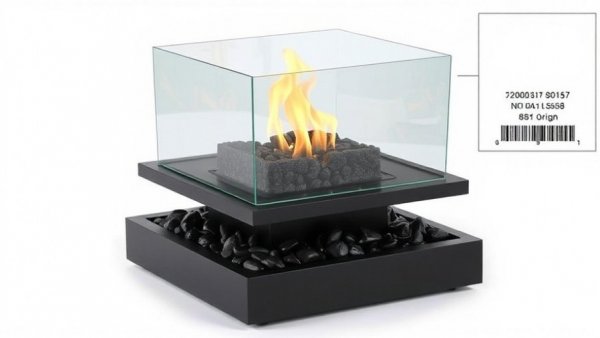
Update Fire Pit Recall: What Seniors Need to Know In a significant safety alert, over 265,000 tabletop fire pits have been recalled due to alarming reports of igniting fuel escaping the units, leading to four documented burn injuries. As these popular outdoor accessories have gained traction among individuals looking to enhance their home gatherings, particularly in warmer climates like Louisiana, it's essential for seniors and their families to stay informed about potential hazards that could arise from seemingly harmless activities. Understanding the Risks Fire pits are often a focal point for social events, providing warmth and ambiance. These gatherings can be particularly enjoyable for older adults in the community, allowing them to connect and create lasting memories with family and friends. However, this recent recall highlights the risks associated with malfunctioning products. The fire pits in question are mainly branded under the 'Sharper Image' name, which adds an unexpected twist, given the brand's reputation for quality. In attending gatherings or solo relaxation time, older adults must remain vigilant about the products they use in their homes, particularly those that involve an open flame. Moreover, many seniors may not realize that certain behaviors around fire pits can further increase risks. For example, distractions during gatherings can lead to careless mistakes, such as accidentally spilling fuel or not monitoring the fire closely enough. Being aware of these factors can help prevent accidents and ensure that gatherings are both enjoyable and safe. Home Safety Tips for Seniors Here are practical safety tips for enjoying fire pits without incident: Keep an Eye on Fuel Levels: Regularly check the fuel in your fire pit to ensure it's secure and not leaking. Understanding how to properly fill and use the fuel can also mitigate risks. Safe Placement: Ensure that your fire pit is placed on a stable surface away from flammable materials like grass, wooden decks, or patio furniture. Avoid placing it under overhanging branches or near structures that can catch fire. Supervise Children: If kids are nearby, keep them at a safe distance and explain the dangers of fire. It's essential that young family members understand the importance of fire safety. Know How to Extinguish: Always keep a fire extinguisher or a bucket of sand handy in case of an emergency. Familiarize yourself with how to use them effectively. Evaluating Product Notices and Recalls For seniors in Louisiana, products like these fire pits can represent both convenience and enjoyment at home, especially as many families gather outdoors to enjoy the beautiful weather. However, it’s crucial to stay updated with recalls and warnings. The Consumer Product Safety Commission (CPSC) is a useful resource for checking product safety information. If you own a tabletop fire pit from the recalled list, stop using it immediately and consider returning it for a refund or exchange. This not only protects you but also helps in improving overall product safety standards. Furthermore, subscribing to local consumer safety newsletters or setting up alerts can provide timely updates on recalls and safety issues. Knowledge is power, particularly when it comes to ensuring your safety and wellbeing while enjoying leisure activities. Real Stories: Understanding the Impact In health and safety discussions, personal narratives can often paint a more powerful picture than statistics. For instance, one Louisiana resident reported a close call when the fuel ignited unexpectedly, causing her to reassess not only her fire pit usage but also her broader safety practices at home. She shared how this incident prompted her to evaluate other potentially hazardous areas, such as the use of candles and cigarettes, which also pose fire risks. This serves as a reminder that awareness is vital—not just to protect oneself but also to safeguard loved ones. Conversations with family members about safety practices can foster a culture of prevention and vigilance, especially among elder family members who may be at a greater risk of injury. What to Do If You Continue Using Fire Pits If you frequently use fire pits or are considering purchasing one, learning about alternatives may be beneficial. Gas fire pits are generally considered safer due to built-in safety features, which can minimize the risks associated with liquid fuel. Additionally, choosing a model with a reinforced housing design can further enhance safety. Consider the benefits of using larger, multi-purpose outdoor heating options, like a fire table. These often include protective barriers to reduce the risk of accidental burns, which can be particularly important for households with elderly residents. Additionally, research new products and read reviews from other purchasers, particularly older adults, about their safety experiences. Call to Action: Stay Informed and Safe As the heart of community life for many seniors, home gatherings should be filled with joy—not unforeseen danger. I encourage you to check your household fire pits now and stay informed on product safety updates. If you’ve experienced issues with your fire pit, report it to the relevant consumer safety channels to aid in protecting others. Your experiences matter and can drive change. In conclusion, while fire pits can enhance your outdoor experience, it’s essential to prioritize safety to ensure that gatherings remain warm and inviting. Knowledge of recalls, a commitment to home safety, and using trustworthy products can help seniors in Louisiana enjoy their leisure time without fear of accidents.

Golden Years of Louisiana

GoldenYearsLA.com is Louisiana’s trusted online magazine for seniors, offering lifestyle inspiration, health tips, financial guidance, and travel ideas tailored to you.

  • Privacy Policy
  • Terms of Use
  • Advertise
  • Contact Us
  • Menu 5
  • Menu 6
Hours

AVAILABLE M-F 9AM - 5PM CST

Hall Street Media

Hall Street Media is a Louisiana-based media company creating engaging digital publications for lifestyle, health, business, and regional audiences across the Gulf South.

© 2026 Golden Years of Louisiana All Rights Reserved. Hall Street Media, Lafayette, Louisiana 70501 . Contact Us . Terms of Service . Privacy Policy

eyJjb21wYW55IjoiR29sZGVuIFllYXJzIG9mIExvdWlzaWFuYSIsImFkZHJlc3MiOiJIYWxsIFN0cmVldCBNZWRpYSIsImNpdHkiOiJMYWZheWV0dGUiLCJzdGF0ZSI6IkxvdWlzaWFuYSIsInppcCI6IjcwNTAxIiwiZW1haWwiOiJnb2xkZW55ZWFyc2xhQGdtYWlsLmNvbSIsInRvcyI6IlBIQStQSE4wY205dVp6NDhaVzArVjJobGJpQjViM1VnYzJsbmJpMXBiaUIzYVhSb0lIVnpMQ0I1YjNVZ1lYSmxJR2RwZG1sdVp5WnVZbk53T3lCNWIzVnlJSEJsY20xcGMzTnBiMjRnWVc1a0lHTnZibk5sYm5RZ2RHOGdjMlZ1WkNCNWIzVWdaVzFoYVd3Z1lXNWtMMjl5SUZOTlV5QjBaWGgwSUcxbGMzTmhaMlZ6TGlCQ2VTQmphR1ZqYTJsdVp5QjBhR1VnVkdWeWJYTWdZVzVrSUVOdmJtUnBkR2x2Ym5NZ1ltOTRJR0Z1WkNCaWVTQnphV2R1YVc1bklHbHVJSGx2ZFNCaGRYUnZiV0YwYVdOaGJHeDVJR052Ym1acGNtMGdkR2hoZENCNWIzVWdZV05qWlhCMElHRnNiQ0IwWlhKdGN5QnBiaUIwYUdseklHRm5jbVZsYldWdWRDNDhMMlZ0UGp3dmMzUnliMjVuUGp3dmNENEtDanh3UG1oMGRIQnpPaTh2WjI5c1pHVnVlV1ZoY25Oc1lTNWpiMjA4TDNBK0NnbzhjRDRtYm1KemNEczhMM0ErQ2dvOGNENDhjM1J5YjI1blBsTkZVbFpKUTBVOEwzTjBjbTl1Wno0OEwzQStDZ284Y0Q1WFpTQndjbTkyYVdSbElHRWdjMlZ5ZG1salpTQjBhR0YwSUdOMWNuSmxiblJzZVNCaGJHeHZkM01nZVc5MUlIUnZJSEpsWTJWcGRtVWdjbVZ4ZFdWemRITWdabTl5SUdabFpXUmlZV05yTENCamIyMXdZVzU1SUdsdVptOXliV0YwYVc5dUxDQndjbTl0YjNScGIyNWhiQ0JwYm1admNtMWhkR2x2Yml3Z1kyOXRjR0Z1ZVNCaGJHVnlkSE1zSUdOdmRYQnZibk1zSUdScGMyTnZkVzUwY3lCaGJtUWdiM1JvWlhJZ2JtOTBhV1pwWTJGMGFXOXVjeUIwYnlCNWIzVnlJR1Z0WVdsc0lHRmtaSEpsYzNNZ1lXNWtMMjl5SUdObGJHeDFiR0Z5SUhCb2IyNWxJRzl5SUdSbGRtbGpaUzRnV1c5MUlIVnVaR1Z5YzNSaGJtUWdZVzVrSUdGbmNtVmxJSFJvWVhRZ2RHaGxJRk5sY25acFkyVWdhWE1nY0hKdmRtbGtaV1FnSm5GMWIzUTdRVk10U1ZNbWNYVnZkRHNnWVc1a0lIUm9ZWFFnZDJVZ1lYTnpkVzFsSUc1dklISmxjM0J2Ym5OcFltbHNhWFI1SUdadmNpQjBhR1VnZEdsdFpXeHBibVZ6Y3l3Z1pHVnNaWFJwYjI0c0lHMXBjeTFrWld4cGRtVnllU0J2Y2lCbVlXbHNkWEpsSUhSdklITjBiM0psSUdGdWVTQjFjMlZ5SUdOdmJXMTFibWxqWVhScGIyNXpJRzl5SUhCbGNuTnZibUZzYVhwaGRHbHZiaUJ6WlhSMGFXNW5jeTQ4TDNBK0NnbzhjRDVaYjNVZ1lYSmxJSEpsYzNCdmJuTnBZbXhsSUdadmNpQnZZblJoYVc1cGJtY2dZV05qWlhOeklIUnZJSFJvWlNCVFpYSjJhV05sSUdGdVpDQjBhR0YwSUdGalkyVnpjeUJ0WVhrZ2FXNTJiMngyWlNCMGFHbHlaQ0J3WVhKMGVTQm1aV1Z6SUNoemRXTm9JR0Z6SUZOTlV5QjBaWGgwSUcxbGMzTmhaMlZ6TENCSmJuUmxjbTVsZENCelpYSjJhV05sSUhCeWIzWnBaR1Z5SUc5eUlHTmxiR3gxYkdGeUlHRnBjblJwYldVZ1kyaGhjbWRsY3lrdUlGbHZkU0JoY21VZ2NtVnpjRzl1YzJsaWJHVWdabTl5SUhSb2IzTmxJR1psWlhNc0lHbHVZMngxWkdsdVp5QjBhRzl6WlNCbVpXVnpJR0Z6YzI5amFXRjBaV1FnZDJsMGFDQjBhR1VnWkdsemNHeGhlU0J2Y2lCa1pXeHBkbVZ5ZVNCdlppQmxZV05vSUZOTlV5QjBaWGgwSUcxbGMzTmhaMlVnYzJWdWRDQjBieUI1YjNVZ1lua2dkWE11SUVsdUlHRmtaR2wwYVc5dUxDQjViM1VnYlhWemRDQndjbTkyYVdSbElHRnVaQ0JoY21VZ2NtVnpjRzl1YzJsaWJHVWdabTl5SUdGc2JDQmxjWFZwY0cxbGJuUWdibVZqWlhOellYSjVJSFJ2SUdGalkyVnpjeUIwYUdVZ1UyVnlkbWxqWlNCaGJtUWdjbVZqWldsMlpTQjBhR1VnVTAxVElIUmxlSFFnYldWemMyRm5aWE11SUZkbElHUnZJRzV2ZENCamFHRnlaMlVnWVc1NUlHWmxaWE1nWm05eUlHUmxiR2wyWlhKNUlHOW1JR1Z0WVdsc0lHOXlJRk5OVXk0Z1ZHaHBjeUJwY3lCaElHWnlaV1VnYzJWeWRtbGpaU0J3Y205MmFXUmxaQ0JpZVNCMWN5NGdTRzkzWlhabGNpd2djR3hsWVhObElHTm9aV05ySUhkcGRHZ2dlVzkxY2lCcGJuUmxjbTVsZENCelpYSjJhV05sSUhCeWIzWnBaR1Z5SUdGdVpDQmpaV3hzZFd4aGNpQmpZWEp5YVdWeUlHWnZjaUJoYm5rZ1kyaGhjbWRsY3lCMGFHRjBJRzFoZVNCcGJtTjFjaUJoY3lCaElISmxjM1ZzZENCbWNtOXRJSEpsWTJWcGRtbHVaeUJsYldGcGJDQmhibVFnVTAxVElIUmxlSFFnYldWemMyRm5aWE1nZEdoaGRDQjNaU0JrWld4cGRtVnlJSFZ3YjI0Z2VXOTFjaUJ2Y0hRdGFXNGdZVzVrSUhKbFoybHpkSEpoZEdsdmJpQjNhWFJvSUc5MWNpQmxiV0ZwYkNCaGJtUWdVMDFUSUhObGNuWnBZMlZ6TGlCWmIzVWdZMkZ1SUdOaGJtTmxiQ0JoZENCaGJua2dkR2x0WlM0Z1NuVnpkQ0IwWlhoMElDWnhkVzkwTzFOVVQxQW1jWFZ2ZERzZ2RHOG1ibUp6Y0RzOGFHbG5hR3hwWjJoMElHTnNZWE56UFNKamIyMXdZVzU1VTAxVFVHaHZibVZWY0dSaGRHVWlQbTUxYkd3OEwyaHBaMmhzYVdkb2RENHVJRUZtZEdWeUlIbHZkU0J6Wlc1a0lIUm9aU0JUVFZNZ2JXVnpjMkZuWlNBbWNYVnZkRHRUVkU5UUpuRjFiM1E3SUhSdklIVnpMQ0IzWlNCM2FXeHNJSE5sYm1RZ2VXOTFJR0Z1SUZOTlV5QnRaWE56WVdkbElIUnZJR052Ym1acGNtMGdkR2hoZENCNWIzVWdhR0YyWlNCaVpXVnVJSFZ1YzNWaWMyTnlhV0psWkM0Z1FXWjBaWElnZEdocGN5d2dlVzkxSUhkcGJHd2dibThnYkc5dVoyVnlJSEpsWTJWcGRtVWdVMDFUSUcxbGMzTmhaMlZ6SUdaeWIyMGdkWE11UEM5d1Bnb0tQSEErUEhOMGNtOXVaejVaVDFWU0lGSkZSMGxUVkZKQlZFbFBUaUJQUWt4SlIwRlVTVTlPVXp3dmMzUnliMjVuUGp3dmNENEtDanh3UGtsdUlHTnZibk5wWkdWeVlYUnBiMjRnYjJZZ2VXOTFjaUIxYzJVZ2IyWWdkR2hsSUZObGNuWnBZMlVzSUhsdmRTQmhaM0psWlNCMGJ6bzhMM0ErQ2dvOGIydytDZ2s4YkdrK2NISnZkbWxrWlNCMGNuVmxMQ0JoWTJOMWNtRjBaU3dnWTNWeWNtVnVkQ0JoYm1RZ1kyOXRjR3hsZEdVZ2FXNW1iM0p0WVhScGIyNGdZV0p2ZFhRZ2VXOTFjbk5sYkdZZ1lYTWdjSEp2YlhCMFpXUWdZbmtnZEdobElGTmxjblpwWTJVbUl6TTVPM01nY21WbmFYTjBjbUYwYVc5dUlHWnZjbTBnS0hOMVkyZ2dhVzVtYjNKdFlYUnBiMjRnWW1WcGJtY2dkR2hsSUNaeGRXOTBPMUpsWjJsemRISmhkR2x2YmlCRVlYUmhKbkYxYjNRN0tTQmhibVE4TDJ4cFBnb0pQR3hwUG0xaGFXNTBZV2x1SUdGdVpDQndjbTl0Y0hSc2VTQjFjR1JoZEdVZ2RHaGxJRkpsWjJsemRISmhkR2x2YmlCRVlYUmhJSFJ2SUd0bFpYQWdhWFFnZEhKMVpTd2dZV05qZFhKaGRHVXNJR04xY25KbGJuUWdZVzVrSUdOdmJYQnNaWFJsTGlCSlppQjViM1VnY0hKdmRtbGtaU0JoYm5rZ2FXNW1iM0p0WVhScGIyNGdkR2hoZENCcGN5QjFiblJ5ZFdVc0lHbHVZV05qZFhKaGRHVXNJRzV2ZENCamRYSnlaVzUwSUc5eUlHbHVZMjl0Y0d4bGRHVXNJRzl5SUhkbElHaGhkbVVnY21WaGMyOXVZV0pzWlNCbmNtOTFibVJ6SUhSdklITjFjM0JsWTNRZ2RHaGhkQ0J6ZFdOb0lHbHVabTl5YldGMGFXOXVJR2x6SUhWdWRISjFaU3dnYVc1aFkyTjFjbUYwWlN3Z2JtOTBJR04xY25KbGJuUWdiM0lnYVc1amIyMXdiR1YwWlN3Z2QyVWdhR0YyWlNCMGFHVWdjbWxuYUhRZ2RHOGdjM1Z6Y0dWdVpDQnZjaUE4YzNSeWIyNW5Qanh6Y0dGdUlITjBlV3hsUFNKamIyeHZjam9qUmtZd01EQXdPeUkrZEdWeWJXbHVZWFJsSUhsdmRYSWdZV05qYjNWdWRDOXdjbTltYVd4bElHRnVaQ0J5WldaMWMyVWdZVzU1SUdGdVpDQmhiR3dnWTNWeWNtVnVkQ0J2Y2lCbWRYUjFjbVVnZFhObElHOW1JSFJvWlNCVFpYSjJhV05sSUNodmNpQmhibmtnY0c5eWRHbHZiaUIwYUdWeVpXOW1LUzQ4TDNOd1lXNCtQQzl6ZEhKdmJtYytQQzlzYVQ0S1BDOXZiRDRLQ2p4d1BpWnVZbk53T3p3dmNENEtQR2hwWjJoc2FXZG9kQ0JqYkdGemN6MGlZMjl0Y0dGdWVVNWhiV1ZWY0dSaGRHVWlQa2R2YkdSbGJpQlpaV0Z5Y3lCdlppQk1iM1ZwYzJsaGJtRThMMmhwWjJoc2FXZG9kRDQ4WW5JZ0x6NEtQR2hwWjJoc2FXZG9kQ0JqYkdGemN6MGlZMjl0Y0dGdWVVVnRZV2xzVlhCa1lYUmxJajVuYjJ4a1pXNTVaV0Z5YzJ4aFFHZHRZV2xzTG1OdmJUd3ZhR2xuYUd4cFoyaDBQZz09IiwicHJpdmFjeSI6IlBIQStQSE4wY205dVp6NVFVa2xXUVVOWlBDOXpkSEp2Ym1jK1BDOXdQZ29LUEhBK1BITjBjbTl1Wno1VWFHVWdhVzVtYjNKdFlYUnBiMjRnY0hKdmRtbGtaV1FnWkhWeWFXNW5JSFJvYVhNZ2NtVm5hWE4wY21GMGFXOXVJR2x6SUd0bGNIUWdjSEpwZG1GMFpTQmhibVFnWTI5dVptbGtaVzUwYVdGc0xDQmhibVFnZDJsc2JDQnVaWFpsY2lCaVpTQmthWE4wY21saWRYUmxaQ3dnWTI5d2FXVmtMQ0J6YjJ4a0xDQjBjbUZrWldRZ2IzSWdjRzl6ZEdWa0lHbHVJR0Z1ZVNCM1lYa3NJSE5vWVhCbElHOXlJR1p2Y20wdUlGUm9hWE1nYVhNZ2IzVnlJR2QxWVhKaGJuUmxaUzQ4TDNOMGNtOXVaejQ4TDNBK0NnbzhjRDQ4YzNSeWIyNW5Qa2xPUkVWTlRrbFVXVHd2YzNSeWIyNW5Qand2Y0Q0S0NqeHdQanhsYlQ1WmIzVWdZV2R5WldVZ2RHOGdhVzVrWlcxdWFXWjVJR0Z1WkNCb2IyeGtJSFZ6TENCaGJtUWdhWFJ6SUhOMVluTnBaR2xoY21sbGN5d2dZV1ptYVd4cFlYUmxjeXdnYjJabWFXTmxjbk1zSUdGblpXNTBjeXdnWTI4dFluSmhibVJsY25NZ2IzSWdiM1JvWlhJZ2NHRnlkRzVsY25Nc0lHRnVaQ0JsYlhCc2IzbGxaWE1zSUdoaGNtMXNaWE56SUdaeWIyMGdZVzU1SUdOc1lXbHRJRzl5SUdSbGJXRnVaQ3dnYVc1amJIVmthVzVuSUhKbFlYTnZibUZpYkdVZ1lYUjBiM0p1WlhsekppTXpPVHNnWm1WbGN5d2diV0ZrWlNCaWVTQmhibmtnZEdocGNtUWdjR0Z5ZEhrZ1pIVmxJSFJ2SUc5eUlHRnlhWE5wYm1jZ2IzVjBJRzltSUVOdmJuUmxiblFnZVc5MUlISmxZMlZwZG1Vc0lITjFZbTFwZEN3Z2NtVndiSGtzSUhCdmMzUXNJSFJ5WVc1emJXbDBJRzl5SUcxaGEyVWdZWFpoYVd4aFlteGxJSFJvY205MVoyZ2dkR2hsSUZObGNuWnBZMlVzSUhsdmRYSWdkWE5sSUc5bUlIUm9aU0JUWlhKMmFXTmxMQ0I1YjNWeUlHTnZibTVsWTNScGIyNGdkRzhnZEdobElGTmxjblpwWTJVc0lIbHZkWElnZG1sdmJHRjBhVzl1SUc5bUlIUm9aU0JVVDFNc0lHOXlJSGx2ZFhJZ2RtbHZiR0YwYVc5dUlHOW1JR0Z1ZVNCeWFXZG9kSE1nYjJZZ1lXNXZkR2hsY2k0OEwyVnRQand2Y0Q0S0NqeHdQanh6ZEhKdmJtYytSRWxUUTB4QlNVMUZVaUJQUmlCWFFWSlNRVTVVU1VWVFBDOXpkSEp2Ym1jK1BDOXdQZ29LUEhBK1BITjBjbTl1Wno1WlQxVWdSVmhRVWtWVFUweFpJRlZPUkVWU1UxUkJUa1FnUVU1RUlFRkhVa1ZGSUZSSVFWUTZQQzl6ZEhKdmJtYytQQzl3UGdvS1BHOXNQZ29KUEd4cFBsbFBWVklnVlZORklFOUdJRlJJUlNCVFJWSldTVU5GSUVsVElFRlVJRmxQVlZJZ1UwOU1SU0JTU1ZOTExpQlVTRVVnVTBWU1ZrbERSU0JKVXlCUVVrOVdTVVJGUkNCUFRpQkJUaUFtY1hWdmREdEJVeUJKVXlaeGRXOTBPeUJCVGtRZ0puRjFiM1E3UVZNZ1FWWkJTVXhCUWt4RkpuRjFiM1E3SUVKQlUwbFRMaUFzTGlCQlRrUWdWVk1zSUVsVUppTXpPVHRUSUVOVlUxUlBUVVZTVXl3Z1JWaFFVa1ZUVTB4WklFUkpVME5NUVVsTlV5QkJURXdnVjBGU1VrRk9WRWxGVXlCUFJpQkJUbGtnUzBsT1JDd2dWMGhGVkVoRlVpQkZXRkJTUlZOVElFOVNJRWxOVUV4SlJVUXNJRWxPUTB4VlJFbE9SeXdnUWxWVUlFNVBWQ0JNU1UxSlZFVkVJRlJQSUZSSVJTQkpUVkJNU1VWRUlGZEJVbEpCVGxSSlJWTWdUMFlnVFVWU1EwaEJUbFJCUWtsTVNWUlpMQ0JHU1ZST1JWTlRJRVpQVWlCQklGQkJVbFJKUTFWTVFWSWdVRlZTVUU5VFJTQkJUa1FnVGs5T0xVbE9SbEpKVGtkRlRVVk9WQzQ4TDJ4cFBnb0pQR3hwUGsxQlMwVlRJRTVQSUZkQlVsSkJUbFJaSUZSSVFWUWdLR2twSUZSSVJTQlRSVkpXU1VORklGZEpURXdnVFVWRlZDQlpUMVZTSUZKRlVWVkpVa1ZOUlU1VVV5d2dLR2xwS1NCVVNFVWdVMFZTVmtsRFJTQlhTVXhNSUVKRklGVk9TVTVVUlZKU1ZWQlVSVVFzSUZSSlRVVk1XU3dnVTBWRFZWSkZMQ0JQVWlCRlVsSlBVaTFHVWtWRkxDQW9hV2xwS1NCVVNFVWdVa1ZUVlV4VVV5QlVTRUZVSUUxQldTQkNSU0JQUWxSQlNVNUZSQ0JHVWs5TklGUklSU0JWVTBVZ1QwWWdWRWhGSUZORlVsWkpRMFVnVjBsTVRDQkNSU0JCUTBOVlVrRlVSU0JQVWlCU1JVeEpRVUpNUlN3Z1FVNUVJQ2hwZGlrZ1FVNVpJRVZTVWs5U1V5QkpUaUJVU0VVZ1UwOUdWRmRCVWtVZ1YwbE1UQ0JDUlNCRFQxSlNSVU5VUlVRdVBDOXNhVDRLQ1R4c2FUNUJUbGtnVFVGVVJWSkpRVXdnUkU5WFRreFBRVVJGUkNCUFVpQlBWRWhGVWxkSlUwVWdUMEpVUVVsT1JVUWdWRWhTVDFWSFNDQlVTRVVnVlZORklFOUdJRlJJUlNCVFJWSldTVU5GSUVsVElFUlBUa1VnUVZRZ1dVOVZVaUJQVjA0Z1JFbFRRMUpGVkVsUFRpQkJUa1FnVWtsVFN5QkJUa1FnVkVoQlZDQlpUMVVnVjBsTVRDQkNSU0JUVDB4RlRGa2dVa1ZUVUU5T1UwbENURVVnUms5U0lFRk9XU0JFUVUxQlIwVWdWRThnV1U5VlVpQkRUMDFRVlZSRlVpQlRXVk5VUlUwZ1QxSWdURTlUVXlCUFJpQkVRVlJCSUZSSVFWUWdVa1ZUVlV4VVV5QkdVazlOSUZSSVJTQkVUMWRPVEU5QlJDQlBSaUJCVGxrZ1UxVkRTQ0JOUVZSRlVrbEJUQzQ4TDJ4cFBnb0pQR3hwUGs1UElFRkVWa2xEUlNCUFVpQkpUa1pQVWsxQlZFbFBUaXdnVjBoRlZFaEZVaUJQVWtGTUlFOVNJRmRTU1ZSVVJVNHNJRTlDVkVGSlRrVkVJRUpaSUZsUFZTQkdVazlOSUU5U0lGUklVazlWUjBnZ1QxSWdSbEpQVFNCVVNFVWdVMFZTVmtsRFJTQlRTRUZNVENCRFVrVkJWRVVnUVU1WklGZEJVbEpCVGxSWklFNVBWQ0JGV0ZCU1JWTlRURmtnVTFSQlZFVkVJRWxPSUZSSVJTQlVUMU11UEM5c2FUNEtQQzl2YkQ0S0NqeHdQanh6ZEhKdmJtYytURWxOU1ZSQlZFbFBUaUJQUmlCTVNVRkNTVXhKVkZrOEwzTjBjbTl1Wno0OEwzQStDZ284Y0Q1WlQxVWdSVmhRVWtWVFUweFpJRlZPUkVWU1UxUkJUa1FnUVU1RUlFRkhVa1ZGSUZSSVFWUWdRVTVFSUZOSVFVeE1JRTVQVkNCQ1JTQk1TVUZDVEVVZ1JrOVNJRUZPV1NCRVNWSkZRMVFzSUVsT1JFbFNSVU5VTENCSlRrTkpSRVZPVkVGTUxDQlRVRVZEU1VGTUxDQkRUMDVUUlZGVlJVNVVTVUZNSUU5U0lFVllSVTFRVEVGU1dTQkVRVTFCUjBWVExDQkpUa05NVlVSSlRrY2dRbFZVSUU1UFZDQk1TVTFKVkVWRUlGUlBMQ0JFUVUxQlIwVlRJRVpQVWlCTVQxTlRJRTlHSUZCU1QwWkpWRk1zSUVkUFQwUlhTVXhNTENCVlUwVXNJRVJCVkVFZ1QxSWdUMVJJUlZJZ1NVNVVRVTVIU1VKTVJTQk1UMU5UUlZNZ0tFVldSVTRnU1VZZ1NFRlRJRUpGUlU0Z1FVUldTVk5GUkNCUFJpQlVTRVVnVUU5VFUwbENTVXhKVkZrZ1QwWWdVMVZEU0NCRVFVMUJSMFZUS1N3Z1VrVlRWVXhVU1U1SElFWlNUMDA2UEM5d1Bnb0tQRzlzUGdvSlBHeHBQbFJJUlNCVlUwVWdUMUlnVkVoRklFbE9RVUpKVEVsVVdTQlVUeUJWVTBVZ1ZFaEZJRk5GVWxaSlEwVTdQQzlzYVQ0S0NUeHNhVDVVU0VVZ1EwOVRWQ0JQUmlCUVVrOURWVkpGVFVWT1ZDQlBSaUJUVlVKVFZFbFVWVlJGSUVkUFQwUlRJRUZPUkNCVFJWSldTVU5GVXlCU1JWTlZURlJKVGtjZ1JsSlBUU0JCVGxrZ1IwOVBSRk1zSUVSQlZFRXNJRWxPUms5U1RVRlVTVTlPSUU5U0lGTkZVbFpKUTBWVElGQlZVa05JUVZORlJDQlBVaUJQUWxSQlNVNUZSQ0JQVWlCTlJWTlRRVWRGVXlCU1JVTkZTVlpGUkNCUFVpQlVVa0ZPVTBGRFZFbFBUbE1nUlU1VVJWSkZSQ0JKVGxSUElGUklVazlWUjBnZ1QxSWdSbEpQVFNCVVNFVWdVMFZTVmtsRFJUczhMMnhwUGdvSlBHeHBQbFZPUVZWVVNFOVNTVnBGUkNCQlEwTkZVMU1nVkU4Z1QxSWdRVXhVUlZKQlZFbFBUaUJQUmlCWlQxVlNJRlJTUVU1VFRVbFRVMGxQVGxNZ1QxSWdSRUZVUVRzOEwyeHBQZ29KUEd4cFBsTlVRVlJGVFVWT1ZGTWdUMUlnUTA5T1JGVkRWQ0JQUmlCQlRsa2dWRWhKVWtRZ1VFRlNWRmtnVDA0Z1ZFaEZJRk5GVWxaSlEwVTdJRTlTUEM5c2FUNEtDVHhzYVQ1QlRsa2dUMVJJUlZJZ1RVRlVWRVZTSUZKRlRFRlVTVTVISUZSUElGUklSU0JUUlZKV1NVTkZMand2YkdrK0Nqd3ZiMncrQ2dvOGNENDhkVDVDZVNCeVpXZHBjM1JsY21sdVp5QmhibVFnYzNWaWMyTnlhV0pwYm1jZ2RHOGdiM1Z5SUdWdFlXbHNJR0Z1WkNCVFRWTWdjMlZ5ZG1salpTd2dZbmtnYjNCMExXbHVMQ0J2Ym14cGJtVWdjbVZuYVhOMGNtRjBhVzl1SUc5eUlHSjVJR1pwYkd4cGJtY2diM1YwSUdFZ1kyRnlaQ3dnSm5GMWIzUTdlVzkxSUdGbmNtVmxJSFJ2SUhSb1pYTmxJRlJGVWsxVElFOUdJRk5GVWxaSlEwVW1jWFZ2ZERzZ1lXNWtJSGx2ZFNCaFkydHViM2RzWldSblpTQmhibVFnZFc1a1pYSnpkR0Z1WkNCMGFHVWdZV0p2ZG1VZ2RHVnliWE1nYjJZZ2MyVnlkbWxqWlNCdmRYUnNhVzVsWkNCaGJtUWdaR1YwWVdsc1pXUWdabTl5SUhsdmRTQjBiMlJoZVM0OEwzVStQQzl3UGdvS1BIQStKbTVpYzNBN1BDOXdQZ284YUdsbmFHeHBaMmgwSUdOc1lYTnpQU0pqYjIxd1lXNTVUbUZ0WlZWd1pHRjBaU0krUjI5c1pHVnVJRmxsWVhKeklHOW1JRXh2ZFdsemFXRnVZVHd2YUdsbmFHeHBaMmgwUGp4aWNpQXZQZ284YUdsbmFHeHBaMmgwSUdOc1lYTnpQU0pqYjIxd1lXNTVRV1JrY21WemMxVndaR0YwWlNJK1NHRnNiQ0JUZEhKbFpYUWdUV1ZrYVdFc0lFeGhabUY1WlhSMFpTd2dURzkxYVhOcFlXNWhJRGN3TlRBeFBDOW9hV2RvYkdsbmFIUStQR0p5SUM4K0NqeG9hV2RvYkdsbmFIUWdZMnhoYzNNOUltTnZiWEJoYm5sUWFHOXVaVlZ3WkdGMFpTSStLekV6TXpjeU9EZzBOalkxUEM5b2FXZG9iR2xuYUhRK1BHSnlJQzgrQ2p4b2FXZG9iR2xuYUhRZ1kyeGhjM005SW1OdmJYQmhibmxGYldGcGJGVndaR0YwWlNJK1oyOXNaR1Z1ZVdWaGNuTnNZVUJuYldGcGJDNWpiMjA4TDJocFoyaHNhV2RvZEQ0PSJ9

Terms of Service

Privacy Policy

Core Modal Title

Sorry, no results found

You Might Find These Articles Interesting

T
Please Check Your Email
We Will Be Following Up Shortly
*
*
*