Add Row
Add Element
Add Element
UPDATE
Add Element
  • update
  • update
  • update
  • update
  • update
  • update
  • update
  • Home
  • Categories
    • Health
    • Money
    • Lifestyle
    • Travel
    • Entertainment
    • Louisiana News
    • Jobs and Careers
    • Featured
October 09.2025
3 Minutes Read

Discover How a Chewing Gum Flu Test Could Revolutionize Early Detection

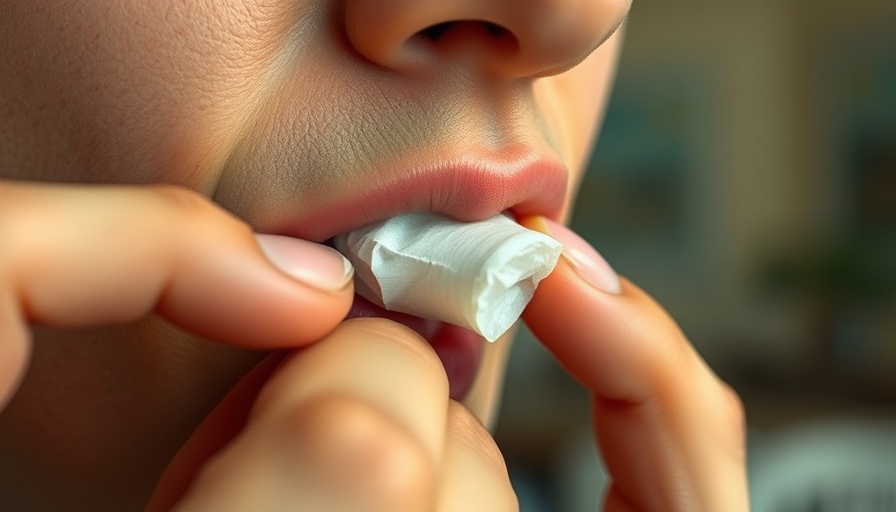
Close-up of flu detection chewing gum test near person's mouth.

The Future of Flu Detection: An Edible Innovation

A groundbreaking development in influenza detection could soon allow individuals to test for the virus simply by chewing gum. Researchers in Germany have devised an edible sensor that could drastically improve how we identify and manage flu infections, providing results before symptoms even appear.

How Does It Work?

The experimental test features a molecular sensor that incorporates a compound called thymol, commonly found in thyme. When the sensor meets the influenza enzyme known as neuraminidase—relevant for the virus's ability to spread—it triggers the release of a thyme-flavored compound, which is then tasted by the consumer. If nothing is detected, it indicates that the flu is likely absent.

This innovative approach is more than just a novel idea; it fulfills a significant need. Current flu detection methods, such as costly nasal swabs and other tests, generally fail to catch the virus before symptoms manifest. However, this chewable test could allow individuals to identify potential infections early. "There is an urgent need for readily manufacturable, easily supplied and straightforward first-line tools," the researchers explained, emphasizing the importance of such a test in controlling contagion.

Bridging the Gap in Flu Prevention

The flu often spreads before individuals are even aware they are contagious, contributing to widespread outbreaks. Current methods for diagnosis can be insufficient, particularly when early detection is paramount. By detecting the virus before symptoms arise, this chewing gum test could play an essential role in public health strategy, especially in preventing transmission in high-risk environments such as nursing homes and hospitals.

Future Implications and Human Impact

As someone over 55 living in Louisiana, you may find this development particularly relevant. Influenza can have severe consequences for older adults, making early detection and prevention critical. With the flu season approaching, having an easily accessible testing method could empower you to take timely precautions, reducing the risk of flu complications not just for yourself but for others in your community.

Imagine a day when you can simply chew a piece of gum to determine your flu risk. Beyond convenience, this could alleviate some pressure on healthcare systems, as individuals could effectively self-screen at home. By knowing sooner whether they are at risk of infecting others, especially vulnerable populations, people can make informed decisions about quarantining and seeking further medical advice.

How Soon Can We Expect This to Be Available?

The testing method is still in the early stages of development and requires clinical trials slated to begin within the next two years. Researchers aim to ensure the methodology’s safety and effectiveness before it is made available to the public. The transition from lab tests to everyday, chewable flu sensors is an exciting possibility that could soon become a reality.

What You Can Do Now

While we await the final results of ongoing research, staying informed and prepared is crucial. Get vaccinated against the flu each season, maintain good hygiene practices, and consult with your healthcare provider to minimize health risks, especially as the flu season approaches.

In summary, this innovative flu test represents an exciting advancement in public health. By tapping into familiar formats like chewing gum, researchers may soon provide a tool that enhances self-awareness of health and potentially curbs the flu's spread.

Health

11 Views

Write A Comment

*
*
Related Posts All Posts
02.25.2026

Understanding the Ongoing Woods Fire Near I-12 in Lacombe: What Seniors Need to Know

Update Continued Efforts to Fight the Lacombe Woods Fire As the woods fire near Interstate 12 in Lacombe unfolds, crews from St. Tammany Fire District 3 are tirelessly working to contain it. Preliminary assessments indicate that the fire has charred approximately 384 acres. Thankfully, the majority of the affected area remains undeveloped, minimizing potential loss of structures. Firefighters, supported by the Louisiana Department of Forestry, are utilizing drone technology to map out and assess the fire’s reach, enabling them to react swiftly to changing conditions. The Impact of Weather Conditions Rooted in recent dry and windy weather, conditions have exacerbated the fire's spread. Chief Michael Geissler emphasized the challenges faced by firefighters during the day due to strong winds that propelled spot fires across the area. However, as the evening approached, firefighters’ efforts helped bring the fire under more direct control. It's a clear reminder of how vital weather monitoring is for combating wildfires in Louisiana’s diverse climate. Staying Safe Amid Smoke and Flames The smoke from the fire has not only disrupted traffic on I-12, where visibility became perilous, but it has also raised health concerns for local residents, especially among seniors with respiratory issues. Dr. Rustin Reed from Tulane University cautioned those affected to stay indoors and ensure their HVAC systems are equipped with clean filters to guard against unhealthy air quality. With many households housing pets and livestock, concern for animal safety runs high. How Residents Can Help The community’s role during such incidents is crucial. Residents are encouraged to be vigilant and report flare-ups near their properties. Small actions—like extinguishing any nearby flames promptly—can prevent the fire from escalating. Given the reality of ongoing drought conditions and a forecast that hints at dryer weeks ahead, caution is necessary when it comes to outdoor burning practices. What Have We Learned? Wildfires, while alarming, highlight the synergy needed between first responders and residents in preventing and managing these incidents. The community's awareness and safety practices, coupled with firefighters' diligent work, can reshape our responses to nature’s unpredictability. The situation in Lacombe continues to evolve, and residents should stay updated as efforts to fully extinguish the fire and assess damage are ongoing. In conclusion, community engagement and awareness during wildfires are essential. Keeping informed about the fire's status and understanding safety practices can ensure the safety of both residents and their properties. Let us collectively strive towards a safer living environment by respecting fire safety regulations in our everyday life.

02.25.2026

Are Social Media Algorithms Contributing to Youth Mental Health Issues?

Update A Growing Concern: The Role of Social Media Algorithms in Youth Mental Health In a critical examination of youth mental health today, many are asking if social media algorithms are exacerbating a crisis. A prominent trial currently underway in Los Angeles seeks to unravel the influence of social media platforms on young adults, amid increasing reports from healthcare professionals and parents about the rising tide of anxiety, depression, and social detachment among youth. What Experts Are Observing Pediatrician Dr. Corey Hébert, affiliated with both Tulane and LSU Health Sciences Center, sheds light on the alarming trends he has observed in young people aged 11 to 18. "I've never seen more apathy, anxiety, and depression in today's youth than I do now," he states. According to Dr. Hébert, the constant exposure to idealized lives showcased on social media creates a cycle of discontent and emotional distress. "Kids are finding it increasingly difficult to manage stress or handle complex social situations, often melting down when faced with adversity. This lack of problem-solving ability stems from insufficient real-world challenges," he notes. Parent Perspectives: A Growing Movement to Limit Screen Time Across Louisiana, parents like Jillian Armstrong are taking proactive steps to mitigate social media’s negative effects. As a mother of three, she shares her experiences managing her daughters' screen time. “Since limiting their social media usage, I’ve noticed improved moods and greater engagement in activities outside of screens," she reflects. Jillian has recognized the detrimental effects of social media not just on her daughters, but also on herself. “It’s easy to feel discontent—with life, looks, or possessions—after scrolling through idealized images for just a short time,” she explains. The Digital Dilemma: Navigating the Effects of Social Media According to recent findings from Mental Health America, many young people acknowledge negative impacts stemming from social media use. The report, entitled "Breaking the Algorithm," reveals that certain platform features—like infinite scrolling and autoplay—are intentionally designed to prolong online engagement, which can lead to unhealthy habits. 41% of surveyed youth expressed feeling a lack of control over their social media time, a concerning statistic as excessive use has been linked to increased rates of mental health issues. An interesting paradox also emerges; while social media is often critiqued, it can foster connections that are crucial for young people's social fabric. Nearly 53% of respondents in the study indicated that online communities significantly support their mental health and help affirm their identities, suggesting that not all social media engagement is detrimental. Recommended Strategies for Parents and Youth Dr. Hébert encourages parents to approach this dilemma with a deliberate strategy. “Just as you wouldn’t allow a young child unrestricted access to a dangerous object, (like a bottle or sharp objects) the same rationale should apply to screens,” he advises. Limiting phone access and supervising use can protect children from being overwhelmed by the digital world. Jillian suggests turning to literature and media for valuable insights. She points to documentaries, like "The Social Dilemma," and books such as "The Anxious Generation" by Jonathan Haidt, which can illuminate the challenges posed by digital interactions in today’s society, helping parents and teens alike understand the complexities of social media use. Future Possibilities: Improving Digital Wellness The implications of these conversations on youth mental health are profound. Experts advocate for a balanced digital experience, pushing for greater transparency around social media algorithms and a move toward fostering healthier online behavior. Features could be introduced that prevent overconsumption and encourage mindful usage—providing users with periodic reminders or tools to check their time online. As a community, recognizing the signs of distress and encouraging open conversations about mental health is key. Mental health is a universal concern, and supporting young people’s well-being should be a collective effort among families, educators, and policymakers. Call to Action: Take the Next Step Empower your family and friends by sharing insights on managing social media's effects on mental well-being. Engage in meaningful discussions about screen time and foster healthy habits. Together, we can cultivate a supportive environment where youth can thrive both online and offline.

02.25.2026

Exploring a Promising Nasal Spray Vaccine to Protect Against COVID-19 and More

Update A New Era in Respiratory Health: The Potential of a Universal Nasal Spray Vaccine Imagine a world where a simple nasal spray could shield us from various respiratory diseases like COVID-19, flu, and even pneumonia. Researchers from Stanford University are inching closer to making this vision a reality. Their innovative nasal spray vaccine, recently published in Science, has shown promise in protecting mice against a wide spectrum of respiratory threats. Revolutionary Approach to Vaccination Unlike traditional vaccines that target specific pathogens, this **nasal spray** works by boosting both the innate and adaptive immune systems. By mimicking the immune signals that activate during an infection, it prepares the body to fend off various viruses and bacterial infections effectively. Dr. Bali Pulendran, the lead author of the study, notes that this dual-action approach could redefine how we protect ourselves against infectious diseases. What the Research Shows The research involved administering the nasal spray to mice, which demonstrated protection against not only COVID-19 but also influenza viruses and Staphylococcus bacteria for up to three months. This method marks a significant departure from typical immunizations that focus solely on the adaptive immune response. By priming the innate immune response, this new vaccine engages the body’s first line of defense, providing a broader range of protection. Why This Matters for Seniors in Louisiana For senior citizens in Louisiana, many of whom face heightened risks from respiratory illnesses, this nasal spray could be a game-changer. As flu season looms each year and with the lingering threat of COVID-19, having a universal vaccine could reduce the need for multiple annual vaccinations, making healthcare more manageable and accessible. Notably, the simplicity of administration—held within a nasal spray—also offers a pain-free option compared to traditional injections. What’s Next? Human Trials Although the results in mice are encouraging, they are just the beginning. The researchers plan to conduct safety trials in humans to determine the efficacy of the nasal spray. If successful, this vaccine could revolutionize the approach to seasonal vaccinations, especially for vulnerable populations and those with chronic health conditions. Potential Challenges Ahead While optimism surrounds this innovative vaccine, challenges remain. The transition from animal trials to human testing is fraught with hurdles. Scientists must ensure not only the effectiveness of the vaccine but also that it is safe for human recipients. Moreover, the logistics of producing and distributing a new vaccine could present difficulties, particularly in rural areas like many parts of Louisiana. Looking Ahead: A Rosy Future? If proven effective, the universal nasal spray vaccine could transform medical practices, especially in the fall months. Picture a scenario where healthcare becomes more streamlined, with fewer pharmacy visits and reduced administrative burdens associated with scheduling multiple vaccinations. As we grapple with various respiratory illnesses, this vaccine may pave the way for more straightforward and efficient public health responses. A Call to Stay Informed As we await the results of the human trials, it's essential for our community, especially seniors, to stay informed about advancements in health science that promise to improve our quality of life. Whether it’s through local health departments or news outlets, keeping abreast of new developments is crucial. In summary, the creation of this universal vaccine is a beacon of hope in the fight against respiratory diseases. It invites us to embrace optimism while remaining cautious about its journey to human use. By understanding these advancements, we empower ourselves to make informed health choices in the years to come.

Terms of Service

Privacy Policy

Core Modal Title

Sorry, no results found

You Might Find These Articles Interesting

T
Please Check Your Email
We Will Be Following Up Shortly
*
*
*