• Home
  • Categories
    • Health
    • Money
    • Lifestyle
    • Travel
    • Entertainment
    • Louisiana News
    • Jobs and Careers
    • Featured
September 24.2026
4 Minutes Read

Deadly Beach Brawl: When a Lounge Chair Sparks Conflict

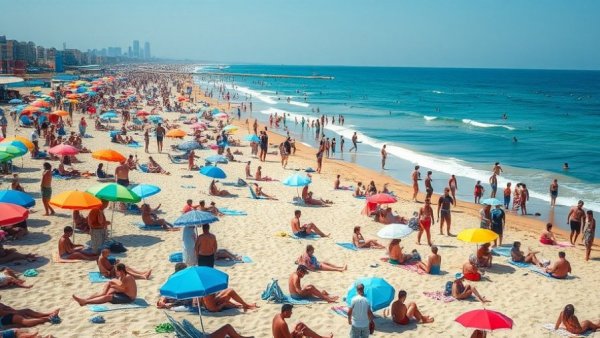
Crowded beach scene with umbrellas and beach chair conflict.

A Fatal Dispute Over Lounge Chairs: What Happened?

In a tragic turn of events at a sun-drenched beach in Vouliagmeni, Greece, the quest for the perfect lounge chair escalated to violence, resulting in the death of an 82-year-old man. The incident occurred on September 20 when this elderly gentleman got into a heated confrontation with a 76-year-old man over a cluster of six sunbeds that had apparently been reserved for a group.

Witnesses reported that tensions flared after the 82-year-old attempted to reserve seats for his friends, insisting that the space was claimed, despite the 76-year-old and his younger companion having purchased tickets for two loungers. What initially started as a verbal spat quickly morphed into a physical altercation. The drama unfolded right in front of sunbathers, who described the scene as chaotic and shocking, saying, "We saw them beating a man … and all this for a deck chair." The beach, often a place of relaxation, became the backdrop for an alarming dispute that many could hardly believe.

The Consequences of a Heated Argument

As the argument intensified, it became physical. At one point, the 82-year-old allegedly struck the 21-year-old woman who was with the 76-year-old, leading to a retaliation that knocked the older man to the ground. Unfortunately, during the scuffle, the 82-year-old suffered a cardiac arrest. Despite rapid attempts at resuscitation by a nurse nearby and CPR administered by fellow patrons, he was pronounced dead shortly thereafter at Asklepieion Hospital.

This event has left both the beachgoers and the local community stunned. A witness described the scene, saying, "And then we see them giving him CPR. And all this for a deck chair." It’s a stark reminder of how quickly tensions can escalate, especially over something that seems trivial. The warmth of the sun and the sounds of crashing waves were overshadowed by the heightened emotions of those involved, transforming a day meant for enjoyment into one of heartbreak.

The Beach Chair Battle: Not Just an Isolated Incident

This unfortunate experience reveals a growing trend concerning beach space, particularly in holiday destinations. Earlier this year, Greece launched a crackdown on businesses monopolizing public beach areas, targeting illegal sunbeds and ensuring accessibility for all. Reportedly using drones and a citizen complaint app, the effort seeks to dispel the idea that a few can claim the sun and sand, a privilege that should belong to everyone.

The incident at Vouliagmeni seems almost reflective of a broader conflict taking shape across various popular tourist destinations. As more people flock to the coasts for leisure, the competition for space inevitably increases. Seniors, travelers, and families planning beach days often seek a harmonious and enjoyable experience. Yet, as accessibility issues mount, tensions can easily escalate into confrontation, turning a simple day at the beach into a scene of distress.

The Role of Aging in Leisure Activities: A Cautionary Note

For our readers in Louisiana—especially those over 60—this incident serves as a critical reminder of the importance of staying calm and considering the consequences of disputes over recreational activities. Many folks, perhaps seeking to relive the joy of lounging at the beach, may find themselves in similar situations of escalating confrontation if not careful. Life is too short, and leisure should bring happiness, not contention.

Approaching such interactions with patience and understanding can not only save one from potential physical harm but also contribute to a more pleasant atmosphere for everyone involved. Setting up a beach day that fosters relaxation rather than rivalry necessitates a mindset focused on compromise. Opting to share space or embracing a little flexibility can go a long way in preserving the essence of leisure—enjoyment without hazard.

It's vital at any age to prioritize health and safety over pride or space at a sunbed. Engaging more in peaceful dialogue can diffuse potentially hostile situations before they escalate, allowing all involved to enjoy that precious time at the beach.

Community Reflections and Future Considerations

The local community has expressed mixed emotions regarding the incident, with some questioning the state of public spaces and the stresses that they can carry for people of all ages. Many in Louisiana, who cherish time spent at nearby beaches, can relate to the desire for a relaxing day by the water, but they may also recognize that aggression can mar that experience.

Additionally, consider the broader implications for local tourism. When news of such incidents emerges, it can have lasting effects on how people perceive a destination. A beach, meant for leisure and joy, can take on an ominous tone, deterring visitors afraid of conflict. As summer winds down and fall beckons, let's remember the significance of peaceful coexistence, even in leisure spaces.

Final Thoughts: Choose Leisure Over Conflict

As we reflect on this grim event, it’s essential to internalize the lesson it imparts: how minor disputes over recreation can lead to devastating outcomes. Beach days should inspire joy and relaxation, not conflict. The next time you find yourself navigating sunbeds or beach chairs, let kindness and courtesy prevail. Remember, it's ultimately about enjoying time spent with loved ones, soaking up the sun, and making lifelong memories.

As plans are made for future beach outings—perhaps at Louisiana’s beautiful shores—let's all commit to creating a more positive beach culture. After all, long-lasting memories are built not just on the sunniest days but also on actions driven by goodwill and understanding. What memories will you create this season?
Travel

10 Views

Write A Comment

*
*
Please complete the captcha to submit your comment.
Related Posts All Posts
11.08.2026

Understanding the Risks of Climbing: Lessons from Tragic Accident in Colorado

Update Tragic Accident Highlights Risks of Mountain Climbing Recently, the serene beauty of the Colorado mountains took a heart-wrenching turn when a rock climbing accident resulted in the deaths of two college students, Kaden Matsuda and Jackson Donlon. Both 19 and 20 years old, respectively, these aspiring outdoorsmen had their lives cut tragically short during what was supposed to be a thrilling climbing adventure. Investigators believe that the rock holding their rappelling equipment gave way as they descended from West Apostle Mountain. Their fall, though not quantified yet, signifies the unforeseen dangers associated with mountain climbing, which is often romanticized in stories, yet hides risks beneath its majestic surface. Understanding the Climbing Culture For many young adventurers, like Matsuda, who was training to become a wildland firefighter, and Donlon, who focused on outdoor recreation, the mountains are a canvas for exploration and self-discovery. They often embody resilience and a thirst for life. These incidents serve as sobering reminders of the physical and emotional preparation that climbing demands. In Louisiana, climbing may not be a common pastime, but the spirit of adventure is universal. Engaging with nature, whether through gentle hikes or ambitious climbs, is a cherished activity for many. This incident may encourage local outdoor enthusiasts to reflect not only on safety but also the importance of adequate preparation when seeking new adventures in the great outdoors. Accidents Are Learning Opportunities Often, when accidents occur, reports highlight human errors such as faulty equipment checks or poor planning. However, Sheriff Andy Rohrich remarked on this incident that there were no evident mistakes in the students’ preparation. This highlights a critical aspect: sometimes, even with the best precautions in place, nature remains an unpredictable force. Understanding this can foster a deeper respect for the activities many of us engage in and may inspire improved safety protocols in climbing communities nationwide. It raises an important conversation about the balance between caution and adventure, especially for those who might want to explore the outdoors. The Broader Impact of Climbing Accidents This unfortunate event adds to the growing list of fatalities in climbing. Elite climbers like Jake Whisenant and various amateur climbers have also faced grave situations, highlighting the sport's inherent risks. Such tragedies can shed light on the necessity for safety education and awareness, particularly as the demand for outdoor recreation continues to surge. Popular climbing spots must adapt to varying skill levels, ensuring that climbers are matched with appropriate challenges to help prevent accidents and injuries. For those who live in areas like Louisiana, understanding these trends can be crucial, as many look for ways to enjoy nature responsibly. What We Can Learn About Safety Following the heart-wrenching tales of such accidents, it is essential to recognize how safety measures can evolve in outdoor activities. For instance, climbing schools frequently include preparation courses that detail equipment checks, descent techniques, and emergency response procedures. These preparatory classes can provide an invaluable foundation for safety. For our Louisiana climbers, awareness of local climbing organizations can aid in accessing these crucial skills. Such programs emphasize the significance of understanding terrain and recognizing environmental cues that facilitate safe time in nature. Fortunately, with the rise of technology, tools such as mobile apps now offer climbers real-time weather updates and safety tips, further enhancing preparedness. Embracing the Outdoors Wisely The stories of Kaden and Jackson remind us of why people are drawn to nature: for its beauty, challenge, and camaraderie. Acknowledging their passion, it's vital for the outdoor community to come together and strengthen safety networks. No one wants to learn about climbing hazards through tragedy. Instead, communities could discuss preventive measures and share experiences, creating a stronger voice for safety, especially for those just starting their outdoor journeys. Local outdoor clubs can organize safety workshops and encourage dialogue that helps everyone, from novices to experienced climbers, navigate the risks involved. The Joy of Connection It’s clear that while climbing can lead to serious consequences, it also fosters valuable connections between individuals. Kaden and Jackson were bonded not just by their collegiate pursuits but also by their shared love for climbing and adventure. Their story resonates deeply as they represent the spirit of exploration that invokes familiar imagery of laughing friends navigating rocky ascents. Encouraging gatherings, discussions, or shared stories of adventure can enrich our understanding of how outdoor experiences impact us. We can foster an environment where safety is prioritized without losing the joy of exploration and growth that the outdoors offers. Conclusion: Treasuring Every Moment In a world where tragedy can strike unexpectedly, Kaden Matsuda and Jackson Donlon are reminders that every outing into nature must be approached with passion and an understanding of risk. As we share their story, let’s foster a culture of safety for all adventurers, celebrating the moments spent under open skies while ensuring that loved ones return home safely. Whether you’re a seasoned climber or someone exploring the outdoors for the first time, every adventure should be cherished. So, don your gear, check your equipment, and embrace the excitement of the great outdoors—safely. And as we carry on, let’s honor Kaden and Jackson’s memory by fostering a community that values safety, preparation, and the joy of exploring nature together.

11.08.2026

Mallorca's Housing Crisis: Locals Demand Cuts to Vacation Rentals

Update Tourism Tensions in Mallorca: A Local Response to Overcrowding As the scenic island of Mallorca, a coveted holiday destination, continues to attract millions of visitors each year, local residents are sounding the alarm over the adverse effects of this tourism boom. With approximately 13.5 million tourists flowing into the island in 2025 alone, the demand for vacation rentals has soared, leading to overcrowding and mounting pressure on local resources. Many residents are concerned that such a heavy influx not only disrupts their daily lives but also jeopardizes the natural beauty and cultural integrity of the island. Local Voices Seek Sustainable Solutions Jordi Mora, president of Pimem, an organization representing small and medium-sized businesses in Mallorca, argues that it’s time to implement stricter regulations on tourist accommodations. He states that limiting the number of tourist beds is crucial to maintaining a sustainable balance between economic growth and local welfare. Mora emphasizes that the existence of smaller hotel operators could support these changes if introduced through agreements rather than imposing abrupt regulations. His perspective is vital, as it highlights the need for collaboration between business entities and local residents in crafting a solution. “If this is approached through consensus and incentives, it is possible to move toward a more sustainable model,” Mora explained, highlighting a need for collaborative efforts to address the issue of tourism management on the island. The Demand for Quality Tourism In a shift toward what they deem a 'quality over quantity' approach, Mallorca’s tourism board is targeting a more affluent visitor demographic. Pedro Homar, managing director of Palma's tourism board, aims to attract wealthy American tourists who spend significantly more compared to German and British visitors. This strategic pivot reflects a growing trend among travel destinations seeking to maximize revenue while minimizing the negative impacts associated with mass tourism. The statistics speak volumes: American tourists spent an average of $410 per day during their stays, starkly contrasting with spending patterns from their European counterparts. “Tourism is our way of life,” Homar stated. “We need to ensure that this growth benefits society as a whole.” The focus on wealthier visitors not only boosts the local economy but also helps mitigate some issues associated with tourism saturation. Understanding Local Sentiments Public sentiment towards the invasion of tourists has been palpable. Large protests took place in June 2025, with locals marching through the streets carrying placards with slogans like "One more tourist, one less resident." The image of these passionate demonstrators captures the essence of local frustration. It’s clear that many residents feel overwhelmed by the influx and are eager to reclaim their island from the crowds. Issues surrounding higher living costs, scarcity of affordable housing, and an increase in illegal rentals have left many locals with a sense of displacement. Tension is rising between maintaining tourist-driven economic prosperity and preserving the quality of life for residents. Some residents worry that their communities are being transformed into tourist playgrounds, making it difficult for them to continue living in the very homes where they grew up. The Dark Side of Overcrowding: A Human Perspective Such significant tourist numbers not only strain resources but also create unintended consequences—such as increased crime. Reports of pickpocketing and petty theft targeting tourists in busy areas have emerged, sparking concern among both visitors and residents alike. Travel experts remind us that while these issues exist, it’s crucial for travelers to adopt smart travel habits instead of avoiding these vibrant destinations altogether. The encouragement for vigilance is essential, especially for travelers who may not be as familiar with the bustling atmosphere of tourist hotspots. “The takeaway isn’t to avoid these places,” travel expert Angel Castellanos said. “It’s to travel smarter.” Visitors might want to consider practical strategies such as securing their valuables and staying aware of their surroundings, helping to create a more pleasant experience for everyone. Finding the Balance: The Path Forward The ongoing discourse in Mallorca raises pertinent questions about tourism management and its repercussions on communities. Striking a balance between welcoming visitors and ensuring residents can continue to live comfortably near their homes remains a complicated challenge. The integration of new regulations and community engagement can help address some of these pressing issues. As destinations become more popular, it becomes paramount for local governments, businesses, and communities to collaboratively design frameworks that prioritize sustainability, inclusivity, and respect for local culture. Encouraging more responsible tourism practices can also make a difference—ensuring that visitors not only enjoy their stay but also contribute positively to the areas they explore. Why We All Should Care About Tourism Struggles Beyond Mallorca, residents in other popular tourist hotspots worldwide are sharing similar narratives. The emotional and social impacts of tourism management can significantly affect quality of life. It’s vital to engage in conversations about how we define travel in our communities, and what kind of visitors we’re hoping to attract. Residents in tourist-heavy areas often hope for an experience where they can enjoy their local spaces without feeling overrun by vacationers. For the older generation in Louisiana, who may be contemplating their next travel destination, understanding these dynamics can help choose where to explore, ensuring their travels contribute positively to the places they visit. Travelers should consider how their choices can help or hinder the local culture and economy. Take Action: Be a Mindful Traveler Traveling should be a joy for everyone involved, from locals to visitors. As we navigate the complexities of tourism, let’s encourage sustainable practices that benefit us all. Whether you choose to visit Mallorca or any other cherished destination, consider how your trip can support the local economy while respecting the community’s needs. Connect with local associations that promote responsible tourism. Your travel choices can lead to meaningful changes in how tourism evolves and impacts the communities we love to explore. It’s indeed possible to travel responsibly and make our adventures a positive experience for everyone involved.

11.07.2026

Navigating Travel Chaos: Americans Face Protest Disruptions in France

Update Severe Strikes Turn Paris Into a No-Go Zone for Travelers The U.S. Embassy has released an urgent warning for Americans traveling in France as a massive countrywide strike threatens to disrupt normal life starting Thursday, November 5th. The embassy's alert emphasizes caution due to potential violence and sudden curfews across the nation, indicating that travelers should prepare for significant disruptions in travel plans. In solidarity with unions demanding increases in wages and funding for public services, four major railway unions have joined the walkout. With public transit, schools, and even healthcare services facing shutdowns, the situation is becoming increasingly precarious for both locals and tourists. Travelers might find it difficult to navigate France's famed sites as demonstrations morph into mass gatherings, often leading to violence and property destruction. A Glimpse at Recent Unrest: The Louvre and Other Attractions As protests have already led to notable disruptions, the Louvre Museum has turned away visitors due to recent blockades. Those planning to visit some of France's top attractions, such as the Musée d'Orsay or the Picasso Museum, are advised to keep abreast of closures and potential changes to access. These closures reflect a broader trend, where travelers are increasingly finding some of France's most treasured sites either entirely off-limits or deeply compromised by protests. Reports indicate that Paris saw riot police clashing with demonstrators near iconic spots like Place de la République just last month. These skirmishes prompted localized curfews, which may return without warning as further protests are anticipated. Understanding the Protests: A Call for Change The core concerns behind the protests highlight a desperate demand for better wages and improved working conditions in France. Unions argue that their members face economic hardship due to the rising cost of living, prompting their bold action. While advocating for justice, they aim to bring attention to sociopolitical inequalities that some feel have been ignored for years. As travelers and locals alike navigate these tumultuous debates, it's essential to recognize that these protests are, at their heart, a reflection of deeper societal issues. A spirit of solidarity and change motivates many participants, infusing their actions with passionate resolve. It’s not merely a strike; it’s a societal call for fairness and equality in challenging economic climates affecting everyone's daily life. Travelers Prepare: Adapt to a New Reality For Americans currently or soon traveling to France, the U.S. Embassy has encouraged staying away from any protests or large gatherings. With protest routes shifting and unapproved demonstrations expected, safety remains paramount. The embassy urges travelers to stay away from high-risk areas and keep an eye on local news updates for potential changes to schedules—especially transportation links. Additionally, the potential for localized curfews remains a real threat, as local officials have shown willingness to impose strict limitations on movement in response to ongoing unrest. Travel plans should include flexibility to accommodate new developments. This unpredictability can be stressful, especially for older travelers who may prefer a more structured itinerary. Practical Tips for Safe Travel in Turbulent Times Travel in such an environment certainly requires preparation. Here are some practical tips to keep in mind: Stay Informed: Monitor local news and the embassy's advisories frequently to stay abreast of any developments that could affect your trip. Local websites and social media can provide real-time updates. Alter Your Itinerary: Consider avoiding known protest sites like Place de la République or Place de la Bastille to minimize risks and complications that could arise from unexpected gatherings. Plan for the Unexpected: Ensure that your transportation plans have flexibility in case of sudden changes, such as missed trains or modified routes. Connect with Fellow Travelers: You may find valuable insights from others who navigate similar situations in real time. Online travel forums can be a great resource. Utilize Tech Tools: Mobile apps for news alerts or travel updates can keep you informed in real time and help you adjust your plans swiftly. Consider Travel Insurance: Given the unpredictable nature of travel during these strikes, investing in travel insurance might offer peace of mind, covering alterations or interruptions to your trip. A Connected Experience During Times of Change Despite the current upheaval, it’s essential to remember that travel itself enhances our understanding of the world. Engaging with the lives of people facing challenges can deepen empathy and awareness, making a strongly personal impact. As you witness protests and local expressions of frustration, consider it an opportunity to learn about the societal dynamics at play. In these complicated moments, Americans traveling to France will find that understanding and respecting the local sentiment will go a long way. It is a chance to witness the intersection of personal stories and political movements, a connection that links us all in the tapestry of human experience. If you choose to explore the cultural richness that France offers, doing so with thoughtfulness can enrich your path while respecting the ongoing struggles of its people. In conclusion, if you're planning on traveling to France during this tumultuous period, be prepared to adjust your plans and stay informed. Travel can be unpredictable, but with caution and respect for local issues, you can experience your journey with awareness and care. By embracing the unexpected and prioritizing safety, you can still savor the beauty and history that France has to offer amidst the protests.

Golden Years of Louisiana

GoldenYearsLA.com is Louisiana’s trusted online magazine for seniors, offering lifestyle inspiration, health tips, financial guidance, and travel ideas tailored to you.

  • Privacy Policy
  • Terms of Use
  • Advertise
  • Contact Us
  • Menu 5
  • Menu 6
Hours

AVAILABLE M-F 9AM - 5PM CST

Hall Street Media

Hall Street Media is a Louisiana-based media company creating engaging digital publications for lifestyle, health, business, and regional audiences across the Gulf South.

© 2026 Golden Years of Louisiana All Rights Reserved. Hall Street Media, Lafayette, Louisiana 70501 . Contact Us . Terms of Service . Privacy Policy

eyJjb21wYW55IjoiR29sZGVuIFllYXJzIG9mIExvdWlzaWFuYSIsImFkZHJlc3MiOiJIYWxsIFN0cmVldCBNZWRpYSIsImNpdHkiOiJMYWZheWV0dGUiLCJzdGF0ZSI6IkxvdWlzaWFuYSIsInppcCI6IjcwNTAxIiwiZW1haWwiOiJnb2xkZW55ZWFyc2xhQGdtYWlsLmNvbSIsInRvcyI6IlBIQStQSE4wY205dVp6NDhaVzArVjJobGJpQjViM1VnYzJsbmJpMXBiaUIzYVhSb0lIVnpMQ0I1YjNVZ1lYSmxJR2RwZG1sdVp5WnVZbk53T3lCNWIzVnlJSEJsY20xcGMzTnBiMjRnWVc1a0lHTnZibk5sYm5RZ2RHOGdjMlZ1WkNCNWIzVWdaVzFoYVd3Z1lXNWtMMjl5SUZOTlV5QjBaWGgwSUcxbGMzTmhaMlZ6TGlCQ2VTQmphR1ZqYTJsdVp5QjBhR1VnVkdWeWJYTWdZVzVrSUVOdmJtUnBkR2x2Ym5NZ1ltOTRJR0Z1WkNCaWVTQnphV2R1YVc1bklHbHVJSGx2ZFNCaGRYUnZiV0YwYVdOaGJHeDVJR052Ym1acGNtMGdkR2hoZENCNWIzVWdZV05qWlhCMElHRnNiQ0IwWlhKdGN5QnBiaUIwYUdseklHRm5jbVZsYldWdWRDNDhMMlZ0UGp3dmMzUnliMjVuUGp3dmNENEtDanh3UG1oMGRIQnpPaTh2WjI5c1pHVnVlV1ZoY25Oc1lTNWpiMjA4TDNBK0NnbzhjRDRtYm1KemNEczhMM0ErQ2dvOGNENDhjM1J5YjI1blBsTkZVbFpKUTBVOEwzTjBjbTl1Wno0OEwzQStDZ284Y0Q1WFpTQndjbTkyYVdSbElHRWdjMlZ5ZG1salpTQjBhR0YwSUdOMWNuSmxiblJzZVNCaGJHeHZkM01nZVc5MUlIUnZJSEpsWTJWcGRtVWdjbVZ4ZFdWemRITWdabTl5SUdabFpXUmlZV05yTENCamIyMXdZVzU1SUdsdVptOXliV0YwYVc5dUxDQndjbTl0YjNScGIyNWhiQ0JwYm1admNtMWhkR2x2Yml3Z1kyOXRjR0Z1ZVNCaGJHVnlkSE1zSUdOdmRYQnZibk1zSUdScGMyTnZkVzUwY3lCaGJtUWdiM1JvWlhJZ2JtOTBhV1pwWTJGMGFXOXVjeUIwYnlCNWIzVnlJR1Z0WVdsc0lHRmtaSEpsYzNNZ1lXNWtMMjl5SUdObGJHeDFiR0Z5SUhCb2IyNWxJRzl5SUdSbGRtbGpaUzRnV1c5MUlIVnVaR1Z5YzNSaGJtUWdZVzVrSUdGbmNtVmxJSFJvWVhRZ2RHaGxJRk5sY25acFkyVWdhWE1nY0hKdmRtbGtaV1FnSm5GMWIzUTdRVk10U1ZNbWNYVnZkRHNnWVc1a0lIUm9ZWFFnZDJVZ1lYTnpkVzFsSUc1dklISmxjM0J2Ym5OcFltbHNhWFI1SUdadmNpQjBhR1VnZEdsdFpXeHBibVZ6Y3l3Z1pHVnNaWFJwYjI0c0lHMXBjeTFrWld4cGRtVnllU0J2Y2lCbVlXbHNkWEpsSUhSdklITjBiM0psSUdGdWVTQjFjMlZ5SUdOdmJXMTFibWxqWVhScGIyNXpJRzl5SUhCbGNuTnZibUZzYVhwaGRHbHZiaUJ6WlhSMGFXNW5jeTQ4TDNBK0NnbzhjRDVaYjNVZ1lYSmxJSEpsYzNCdmJuTnBZbXhsSUdadmNpQnZZblJoYVc1cGJtY2dZV05qWlhOeklIUnZJSFJvWlNCVFpYSjJhV05sSUdGdVpDQjBhR0YwSUdGalkyVnpjeUJ0WVhrZ2FXNTJiMngyWlNCMGFHbHlaQ0J3WVhKMGVTQm1aV1Z6SUNoemRXTm9JR0Z6SUZOTlV5QjBaWGgwSUcxbGMzTmhaMlZ6TENCSmJuUmxjbTVsZENCelpYSjJhV05sSUhCeWIzWnBaR1Z5SUc5eUlHTmxiR3gxYkdGeUlHRnBjblJwYldVZ1kyaGhjbWRsY3lrdUlGbHZkU0JoY21VZ2NtVnpjRzl1YzJsaWJHVWdabTl5SUhSb2IzTmxJR1psWlhNc0lHbHVZMngxWkdsdVp5QjBhRzl6WlNCbVpXVnpJR0Z6YzI5amFXRjBaV1FnZDJsMGFDQjBhR1VnWkdsemNHeGhlU0J2Y2lCa1pXeHBkbVZ5ZVNCdlppQmxZV05vSUZOTlV5QjBaWGgwSUcxbGMzTmhaMlVnYzJWdWRDQjBieUI1YjNVZ1lua2dkWE11SUVsdUlHRmtaR2wwYVc5dUxDQjViM1VnYlhWemRDQndjbTkyYVdSbElHRnVaQ0JoY21VZ2NtVnpjRzl1YzJsaWJHVWdabTl5SUdGc2JDQmxjWFZwY0cxbGJuUWdibVZqWlhOellYSjVJSFJ2SUdGalkyVnpjeUIwYUdVZ1UyVnlkbWxqWlNCaGJtUWdjbVZqWldsMlpTQjBhR1VnVTAxVElIUmxlSFFnYldWemMyRm5aWE11SUZkbElHUnZJRzV2ZENCamFHRnlaMlVnWVc1NUlHWmxaWE1nWm05eUlHUmxiR2wyWlhKNUlHOW1JR1Z0WVdsc0lHOXlJRk5OVXk0Z1ZHaHBjeUJwY3lCaElHWnlaV1VnYzJWeWRtbGpaU0J3Y205MmFXUmxaQ0JpZVNCMWN5NGdTRzkzWlhabGNpd2djR3hsWVhObElHTm9aV05ySUhkcGRHZ2dlVzkxY2lCcGJuUmxjbTVsZENCelpYSjJhV05sSUhCeWIzWnBaR1Z5SUdGdVpDQmpaV3hzZFd4aGNpQmpZWEp5YVdWeUlHWnZjaUJoYm5rZ1kyaGhjbWRsY3lCMGFHRjBJRzFoZVNCcGJtTjFjaUJoY3lCaElISmxjM1ZzZENCbWNtOXRJSEpsWTJWcGRtbHVaeUJsYldGcGJDQmhibVFnVTAxVElIUmxlSFFnYldWemMyRm5aWE1nZEdoaGRDQjNaU0JrWld4cGRtVnlJSFZ3YjI0Z2VXOTFjaUJ2Y0hRdGFXNGdZVzVrSUhKbFoybHpkSEpoZEdsdmJpQjNhWFJvSUc5MWNpQmxiV0ZwYkNCaGJtUWdVMDFUSUhObGNuWnBZMlZ6TGlCWmIzVWdZMkZ1SUdOaGJtTmxiQ0JoZENCaGJua2dkR2x0WlM0Z1NuVnpkQ0IwWlhoMElDWnhkVzkwTzFOVVQxQW1jWFZ2ZERzZ2RHOG1ibUp6Y0RzOGFHbG5hR3hwWjJoMElHTnNZWE56UFNKamIyMXdZVzU1VTAxVFVHaHZibVZWY0dSaGRHVWlQbTUxYkd3OEwyaHBaMmhzYVdkb2RENHVJRUZtZEdWeUlIbHZkU0J6Wlc1a0lIUm9aU0JUVFZNZ2JXVnpjMkZuWlNBbWNYVnZkRHRUVkU5UUpuRjFiM1E3SUhSdklIVnpMQ0IzWlNCM2FXeHNJSE5sYm1RZ2VXOTFJR0Z1SUZOTlV5QnRaWE56WVdkbElIUnZJR052Ym1acGNtMGdkR2hoZENCNWIzVWdhR0YyWlNCaVpXVnVJSFZ1YzNWaWMyTnlhV0psWkM0Z1FXWjBaWElnZEdocGN5d2dlVzkxSUhkcGJHd2dibThnYkc5dVoyVnlJSEpsWTJWcGRtVWdVMDFUSUcxbGMzTmhaMlZ6SUdaeWIyMGdkWE11UEM5d1Bnb0tQSEErUEhOMGNtOXVaejVaVDFWU0lGSkZSMGxUVkZKQlZFbFBUaUJQUWt4SlIwRlVTVTlPVXp3dmMzUnliMjVuUGp3dmNENEtDanh3UGtsdUlHTnZibk5wWkdWeVlYUnBiMjRnYjJZZ2VXOTFjaUIxYzJVZ2IyWWdkR2hsSUZObGNuWnBZMlVzSUhsdmRTQmhaM0psWlNCMGJ6bzhMM0ErQ2dvOGIydytDZ2s4YkdrK2NISnZkbWxrWlNCMGNuVmxMQ0JoWTJOMWNtRjBaU3dnWTNWeWNtVnVkQ0JoYm1RZ1kyOXRjR3hsZEdVZ2FXNW1iM0p0WVhScGIyNGdZV0p2ZFhRZ2VXOTFjbk5sYkdZZ1lYTWdjSEp2YlhCMFpXUWdZbmtnZEdobElGTmxjblpwWTJVbUl6TTVPM01nY21WbmFYTjBjbUYwYVc5dUlHWnZjbTBnS0hOMVkyZ2dhVzVtYjNKdFlYUnBiMjRnWW1WcGJtY2dkR2hsSUNaeGRXOTBPMUpsWjJsemRISmhkR2x2YmlCRVlYUmhKbkYxYjNRN0tTQmhibVE4TDJ4cFBnb0pQR3hwUG0xaGFXNTBZV2x1SUdGdVpDQndjbTl0Y0hSc2VTQjFjR1JoZEdVZ2RHaGxJRkpsWjJsemRISmhkR2x2YmlCRVlYUmhJSFJ2SUd0bFpYQWdhWFFnZEhKMVpTd2dZV05qZFhKaGRHVXNJR04xY25KbGJuUWdZVzVrSUdOdmJYQnNaWFJsTGlCSlppQjViM1VnY0hKdmRtbGtaU0JoYm5rZ2FXNW1iM0p0WVhScGIyNGdkR2hoZENCcGN5QjFiblJ5ZFdVc0lHbHVZV05qZFhKaGRHVXNJRzV2ZENCamRYSnlaVzUwSUc5eUlHbHVZMjl0Y0d4bGRHVXNJRzl5SUhkbElHaGhkbVVnY21WaGMyOXVZV0pzWlNCbmNtOTFibVJ6SUhSdklITjFjM0JsWTNRZ2RHaGhkQ0J6ZFdOb0lHbHVabTl5YldGMGFXOXVJR2x6SUhWdWRISjFaU3dnYVc1aFkyTjFjbUYwWlN3Z2JtOTBJR04xY25KbGJuUWdiM0lnYVc1amIyMXdiR1YwWlN3Z2QyVWdhR0YyWlNCMGFHVWdjbWxuYUhRZ2RHOGdjM1Z6Y0dWdVpDQnZjaUE4YzNSeWIyNW5Qanh6Y0dGdUlITjBlV3hsUFNKamIyeHZjam9qUmtZd01EQXdPeUkrZEdWeWJXbHVZWFJsSUhsdmRYSWdZV05qYjNWdWRDOXdjbTltYVd4bElHRnVaQ0J5WldaMWMyVWdZVzU1SUdGdVpDQmhiR3dnWTNWeWNtVnVkQ0J2Y2lCbWRYUjFjbVVnZFhObElHOW1JSFJvWlNCVFpYSjJhV05sSUNodmNpQmhibmtnY0c5eWRHbHZiaUIwYUdWeVpXOW1LUzQ4TDNOd1lXNCtQQzl6ZEhKdmJtYytQQzlzYVQ0S1BDOXZiRDRLQ2p4d1BpWnVZbk53T3p3dmNENEtQR2hwWjJoc2FXZG9kQ0JqYkdGemN6MGlZMjl0Y0dGdWVVNWhiV1ZWY0dSaGRHVWlQa2R2YkdSbGJpQlpaV0Z5Y3lCdlppQk1iM1ZwYzJsaGJtRThMMmhwWjJoc2FXZG9kRDQ4WW5JZ0x6NEtQR2hwWjJoc2FXZG9kQ0JqYkdGemN6MGlZMjl0Y0dGdWVVVnRZV2xzVlhCa1lYUmxJajVuYjJ4a1pXNTVaV0Z5YzJ4aFFHZHRZV2xzTG1OdmJUd3ZhR2xuYUd4cFoyaDBQZz09IiwicHJpdmFjeSI6IlBIQStQSE4wY205dVp6NVFVa2xXUVVOWlBDOXpkSEp2Ym1jK1BDOXdQZ29LUEhBK1BITjBjbTl1Wno1VWFHVWdhVzVtYjNKdFlYUnBiMjRnY0hKdmRtbGtaV1FnWkhWeWFXNW5JSFJvYVhNZ2NtVm5hWE4wY21GMGFXOXVJR2x6SUd0bGNIUWdjSEpwZG1GMFpTQmhibVFnWTI5dVptbGtaVzUwYVdGc0xDQmhibVFnZDJsc2JDQnVaWFpsY2lCaVpTQmthWE4wY21saWRYUmxaQ3dnWTI5d2FXVmtMQ0J6YjJ4a0xDQjBjbUZrWldRZ2IzSWdjRzl6ZEdWa0lHbHVJR0Z1ZVNCM1lYa3NJSE5vWVhCbElHOXlJR1p2Y20wdUlGUm9hWE1nYVhNZ2IzVnlJR2QxWVhKaGJuUmxaUzQ4TDNOMGNtOXVaejQ4TDNBK0NnbzhjRDQ4YzNSeWIyNW5Qa2xPUkVWTlRrbFVXVHd2YzNSeWIyNW5Qand2Y0Q0S0NqeHdQanhsYlQ1WmIzVWdZV2R5WldVZ2RHOGdhVzVrWlcxdWFXWjVJR0Z1WkNCb2IyeGtJSFZ6TENCaGJtUWdhWFJ6SUhOMVluTnBaR2xoY21sbGN5d2dZV1ptYVd4cFlYUmxjeXdnYjJabWFXTmxjbk1zSUdGblpXNTBjeXdnWTI4dFluSmhibVJsY25NZ2IzSWdiM1JvWlhJZ2NHRnlkRzVsY25Nc0lHRnVaQ0JsYlhCc2IzbGxaWE1zSUdoaGNtMXNaWE56SUdaeWIyMGdZVzU1SUdOc1lXbHRJRzl5SUdSbGJXRnVaQ3dnYVc1amJIVmthVzVuSUhKbFlYTnZibUZpYkdVZ1lYUjBiM0p1WlhsekppTXpPVHNnWm1WbGN5d2diV0ZrWlNCaWVTQmhibmtnZEdocGNtUWdjR0Z5ZEhrZ1pIVmxJSFJ2SUc5eUlHRnlhWE5wYm1jZ2IzVjBJRzltSUVOdmJuUmxiblFnZVc5MUlISmxZMlZwZG1Vc0lITjFZbTFwZEN3Z2NtVndiSGtzSUhCdmMzUXNJSFJ5WVc1emJXbDBJRzl5SUcxaGEyVWdZWFpoYVd4aFlteGxJSFJvY205MVoyZ2dkR2hsSUZObGNuWnBZMlVzSUhsdmRYSWdkWE5sSUc5bUlIUm9aU0JUWlhKMmFXTmxMQ0I1YjNWeUlHTnZibTVsWTNScGIyNGdkRzhnZEdobElGTmxjblpwWTJVc0lIbHZkWElnZG1sdmJHRjBhVzl1SUc5bUlIUm9aU0JVVDFNc0lHOXlJSGx2ZFhJZ2RtbHZiR0YwYVc5dUlHOW1JR0Z1ZVNCeWFXZG9kSE1nYjJZZ1lXNXZkR2hsY2k0OEwyVnRQand2Y0Q0S0NqeHdQanh6ZEhKdmJtYytSRWxUUTB4QlNVMUZVaUJQUmlCWFFWSlNRVTVVU1VWVFBDOXpkSEp2Ym1jK1BDOXdQZ29LUEhBK1BITjBjbTl1Wno1WlQxVWdSVmhRVWtWVFUweFpJRlZPUkVWU1UxUkJUa1FnUVU1RUlFRkhVa1ZGSUZSSVFWUTZQQzl6ZEhKdmJtYytQQzl3UGdvS1BHOXNQZ29KUEd4cFBsbFBWVklnVlZORklFOUdJRlJJUlNCVFJWSldTVU5GSUVsVElFRlVJRmxQVlZJZ1UwOU1SU0JTU1ZOTExpQlVTRVVnVTBWU1ZrbERSU0JKVXlCUVVrOVdTVVJGUkNCUFRpQkJUaUFtY1hWdmREdEJVeUJKVXlaeGRXOTBPeUJCVGtRZ0puRjFiM1E3UVZNZ1FWWkJTVXhCUWt4RkpuRjFiM1E3SUVKQlUwbFRMaUFzTGlCQlRrUWdWVk1zSUVsVUppTXpPVHRUSUVOVlUxUlBUVVZTVXl3Z1JWaFFVa1ZUVTB4WklFUkpVME5NUVVsTlV5QkJURXdnVjBGU1VrRk9WRWxGVXlCUFJpQkJUbGtnUzBsT1JDd2dWMGhGVkVoRlVpQkZXRkJTUlZOVElFOVNJRWxOVUV4SlJVUXNJRWxPUTB4VlJFbE9SeXdnUWxWVUlFNVBWQ0JNU1UxSlZFVkVJRlJQSUZSSVJTQkpUVkJNU1VWRUlGZEJVbEpCVGxSSlJWTWdUMFlnVFVWU1EwaEJUbFJCUWtsTVNWUlpMQ0JHU1ZST1JWTlRJRVpQVWlCQklGQkJVbFJKUTFWTVFWSWdVRlZTVUU5VFJTQkJUa1FnVGs5T0xVbE9SbEpKVGtkRlRVVk9WQzQ4TDJ4cFBnb0pQR3hwUGsxQlMwVlRJRTVQSUZkQlVsSkJUbFJaSUZSSVFWUWdLR2twSUZSSVJTQlRSVkpXU1VORklGZEpURXdnVFVWRlZDQlpUMVZTSUZKRlVWVkpVa1ZOUlU1VVV5d2dLR2xwS1NCVVNFVWdVMFZTVmtsRFJTQlhTVXhNSUVKRklGVk9TVTVVUlZKU1ZWQlVSVVFzSUZSSlRVVk1XU3dnVTBWRFZWSkZMQ0JQVWlCRlVsSlBVaTFHVWtWRkxDQW9hV2xwS1NCVVNFVWdVa1ZUVlV4VVV5QlVTRUZVSUUxQldTQkNSU0JQUWxSQlNVNUZSQ0JHVWs5TklGUklSU0JWVTBVZ1QwWWdWRWhGSUZORlVsWkpRMFVnVjBsTVRDQkNSU0JCUTBOVlVrRlVSU0JQVWlCU1JVeEpRVUpNUlN3Z1FVNUVJQ2hwZGlrZ1FVNVpJRVZTVWs5U1V5QkpUaUJVU0VVZ1UwOUdWRmRCVWtVZ1YwbE1UQ0JDUlNCRFQxSlNSVU5VUlVRdVBDOXNhVDRLQ1R4c2FUNUJUbGtnVFVGVVJWSkpRVXdnUkU5WFRreFBRVVJGUkNCUFVpQlBWRWhGVWxkSlUwVWdUMEpVUVVsT1JVUWdWRWhTVDFWSFNDQlVTRVVnVlZORklFOUdJRlJJUlNCVFJWSldTVU5GSUVsVElFUlBUa1VnUVZRZ1dVOVZVaUJQVjA0Z1JFbFRRMUpGVkVsUFRpQkJUa1FnVWtsVFN5QkJUa1FnVkVoQlZDQlpUMVVnVjBsTVRDQkNSU0JUVDB4RlRGa2dVa1ZUVUU5T1UwbENURVVnUms5U0lFRk9XU0JFUVUxQlIwVWdWRThnV1U5VlVpQkRUMDFRVlZSRlVpQlRXVk5VUlUwZ1QxSWdURTlUVXlCUFJpQkVRVlJCSUZSSVFWUWdVa1ZUVlV4VVV5QkdVazlOSUZSSVJTQkVUMWRPVEU5QlJDQlBSaUJCVGxrZ1UxVkRTQ0JOUVZSRlVrbEJUQzQ4TDJ4cFBnb0pQR3hwUGs1UElFRkVWa2xEUlNCUFVpQkpUa1pQVWsxQlZFbFBUaXdnVjBoRlZFaEZVaUJQVWtGTUlFOVNJRmRTU1ZSVVJVNHNJRTlDVkVGSlRrVkVJRUpaSUZsUFZTQkdVazlOSUU5U0lGUklVazlWUjBnZ1QxSWdSbEpQVFNCVVNFVWdVMFZTVmtsRFJTQlRTRUZNVENCRFVrVkJWRVVnUVU1WklGZEJVbEpCVGxSWklFNVBWQ0JGV0ZCU1JWTlRURmtnVTFSQlZFVkVJRWxPSUZSSVJTQlVUMU11UEM5c2FUNEtQQzl2YkQ0S0NqeHdQanh6ZEhKdmJtYytURWxOU1ZSQlZFbFBUaUJQUmlCTVNVRkNTVXhKVkZrOEwzTjBjbTl1Wno0OEwzQStDZ284Y0Q1WlQxVWdSVmhRVWtWVFUweFpJRlZPUkVWU1UxUkJUa1FnUVU1RUlFRkhVa1ZGSUZSSVFWUWdRVTVFSUZOSVFVeE1JRTVQVkNCQ1JTQk1TVUZDVEVVZ1JrOVNJRUZPV1NCRVNWSkZRMVFzSUVsT1JFbFNSVU5VTENCSlRrTkpSRVZPVkVGTUxDQlRVRVZEU1VGTUxDQkRUMDVUUlZGVlJVNVVTVUZNSUU5U0lFVllSVTFRVEVGU1dTQkVRVTFCUjBWVExDQkpUa05NVlVSSlRrY2dRbFZVSUU1UFZDQk1TVTFKVkVWRUlGUlBMQ0JFUVUxQlIwVlRJRVpQVWlCTVQxTlRJRTlHSUZCU1QwWkpWRk1zSUVkUFQwUlhTVXhNTENCVlUwVXNJRVJCVkVFZ1QxSWdUMVJJUlZJZ1NVNVVRVTVIU1VKTVJTQk1UMU5UUlZNZ0tFVldSVTRnU1VZZ1NFRlRJRUpGUlU0Z1FVUldTVk5GUkNCUFJpQlVTRVVnVUU5VFUwbENTVXhKVkZrZ1QwWWdVMVZEU0NCRVFVMUJSMFZUS1N3Z1VrVlRWVXhVU1U1SElFWlNUMDA2UEM5d1Bnb0tQRzlzUGdvSlBHeHBQbFJJUlNCVlUwVWdUMUlnVkVoRklFbE9RVUpKVEVsVVdTQlVUeUJWVTBVZ1ZFaEZJRk5GVWxaSlEwVTdQQzlzYVQ0S0NUeHNhVDVVU0VVZ1EwOVRWQ0JQUmlCUVVrOURWVkpGVFVWT1ZDQlBSaUJUVlVKVFZFbFVWVlJGSUVkUFQwUlRJRUZPUkNCVFJWSldTVU5GVXlCU1JWTlZURlJKVGtjZ1JsSlBUU0JCVGxrZ1IwOVBSRk1zSUVSQlZFRXNJRWxPUms5U1RVRlVTVTlPSUU5U0lGTkZVbFpKUTBWVElGQlZVa05JUVZORlJDQlBVaUJQUWxSQlNVNUZSQ0JQVWlCTlJWTlRRVWRGVXlCU1JVTkZTVlpGUkNCUFVpQlVVa0ZPVTBGRFZFbFBUbE1nUlU1VVJWSkZSQ0JKVGxSUElGUklVazlWUjBnZ1QxSWdSbEpQVFNCVVNFVWdVMFZTVmtsRFJUczhMMnhwUGdvSlBHeHBQbFZPUVZWVVNFOVNTVnBGUkNCQlEwTkZVMU1nVkU4Z1QxSWdRVXhVUlZKQlZFbFBUaUJQUmlCWlQxVlNJRlJTUVU1VFRVbFRVMGxQVGxNZ1QxSWdSRUZVUVRzOEwyeHBQZ29KUEd4cFBsTlVRVlJGVFVWT1ZGTWdUMUlnUTA5T1JGVkRWQ0JQUmlCQlRsa2dWRWhKVWtRZ1VFRlNWRmtnVDA0Z1ZFaEZJRk5GVWxaSlEwVTdJRTlTUEM5c2FUNEtDVHhzYVQ1QlRsa2dUMVJJUlZJZ1RVRlVWRVZTSUZKRlRFRlVTVTVISUZSUElGUklSU0JUUlZKV1NVTkZMand2YkdrK0Nqd3ZiMncrQ2dvOGNENDhkVDVDZVNCeVpXZHBjM1JsY21sdVp5QmhibVFnYzNWaWMyTnlhV0pwYm1jZ2RHOGdiM1Z5SUdWdFlXbHNJR0Z1WkNCVFRWTWdjMlZ5ZG1salpTd2dZbmtnYjNCMExXbHVMQ0J2Ym14cGJtVWdjbVZuYVhOMGNtRjBhVzl1SUc5eUlHSjVJR1pwYkd4cGJtY2diM1YwSUdFZ1kyRnlaQ3dnSm5GMWIzUTdlVzkxSUdGbmNtVmxJSFJ2SUhSb1pYTmxJRlJGVWsxVElFOUdJRk5GVWxaSlEwVW1jWFZ2ZERzZ1lXNWtJSGx2ZFNCaFkydHViM2RzWldSblpTQmhibVFnZFc1a1pYSnpkR0Z1WkNCMGFHVWdZV0p2ZG1VZ2RHVnliWE1nYjJZZ2MyVnlkbWxqWlNCdmRYUnNhVzVsWkNCaGJtUWdaR1YwWVdsc1pXUWdabTl5SUhsdmRTQjBiMlJoZVM0OEwzVStQQzl3UGdvS1BIQStKbTVpYzNBN1BDOXdQZ284YUdsbmFHeHBaMmgwSUdOc1lYTnpQU0pqYjIxd1lXNTVUbUZ0WlZWd1pHRjBaU0krUjI5c1pHVnVJRmxsWVhKeklHOW1JRXh2ZFdsemFXRnVZVHd2YUdsbmFHeHBaMmgwUGp4aWNpQXZQZ284YUdsbmFHeHBaMmgwSUdOc1lYTnpQU0pqYjIxd1lXNTVRV1JrY21WemMxVndaR0YwWlNJK1NHRnNiQ0JUZEhKbFpYUWdUV1ZrYVdFc0lFeGhabUY1WlhSMFpTd2dURzkxYVhOcFlXNWhJRGN3TlRBeFBDOW9hV2RvYkdsbmFIUStQR0p5SUM4K0NqeG9hV2RvYkdsbmFIUWdZMnhoYzNNOUltTnZiWEJoYm5sUWFHOXVaVlZ3WkdGMFpTSStLekV6TXpjeU9EZzBOalkxUEM5b2FXZG9iR2xuYUhRK1BHSnlJQzgrQ2p4b2FXZG9iR2xuYUhRZ1kyeGhjM005SW1OdmJYQmhibmxGYldGcGJGVndaR0YwWlNJK1oyOXNaR1Z1ZVdWaGNuTnNZVUJuYldGcGJDNWpiMjA4TDJocFoyaHNhV2RvZEQ0PSJ9

Terms of Service

Privacy Policy

Core Modal Title

Sorry, no results found

You Might Find These Articles Interesting

T
Please Check Your Email
We Will Be Following Up Shortly
*
*
*