
• Home
  • Categories
    • Health
    • Money
    • Lifestyle
    • Travel
    • Entertainment
    • Louisiana News
    • Jobs and Careers
    • Featured
July 21.2025
7 Minutes Read

Custom Eyes Vision Center Baton Rouge: Why Locals Trust It

Custom Eyes Vision Center

📍 Address: 257 Lee Dr Suite Q, Baton Rouge, LA 70808, USA

📞 Phone: +1 225-819-0120

🌐 Website: http://customeyesbr.com/

★★★★★

Rating:4.9


For Baton Rouge Residents, Quality Eye Care Matters More Than Ever

In a world where screens are everywhere and daily demands never end, eye health is more than a routine—it’s essential to living life fully. Many realize only after discomfort or a sudden vision change how much we depend on clear, healthy eyesight to work, connect, and thrive. The stakes are high: unchecked eye conditions can escalate or go unnoticed for years, quietly stealing away the clarity needed for school, driving, work, and everyday joys. That’s why the search for a trustworthy, comprehensive eye care provider is more critical than ever for families and individuals in Baton Rouge.

The challenge, though, lies not just in scheduling an eye exam, but in finding a vision center that sees patients as more than a chart or a number. Many people experience hesitancy or confusion about when and why to seek professional eye care beyond new glasses. Yet, regular, professional assessment can detect subtle issues early—before they turn into more serious conditions. Your family deserves a dedicated, compassionate approach that blends modern technology with a deep understanding of patient concerns, all in an environment that respects your time and your well-being. This article explores why such comprehensive care matters, dispels common myths, and uncovers why Custom Eyes Vision Center Baton Rouge has become a trusted resource for those seeking not just better vision but better quality of life.

The Value of Comprehensive Eye Exams and Personalized Vision Solutions

Comprehensive eye exams are not simply about updating a glasses prescription—they are a cornerstone of lifelong eye health. At every age, clear eyesight underpins education, safety, work performance, and social confidence, making it one of the most influential components of overall wellness. Eye exams go far beyond vision tests; they serve as critical screenings for conditions like glaucoma, cataracts, and other diseases that can silently threaten sight. What’s often overlooked is that many of these conditions show no symptoms until the damage is advanced. Regular, thorough assessments using the latest diagnostic technology can catch these concerns early, offering patients the best chance at maintaining healthy vision throughout their lives.

Baton Rouge families face busy schedules—finding time for healthcare can be a challenge. That’s why tailored vision solutions, including fittings for contact lenses, myopia control for children, and therapies for dry eye disease, have become invaluable. A patient-centered approach ensures not only that vision corrections are accurate but that each person’s unique lifestyle and concerns are addressed. Ignoring these proactive steps can lead to missed diagnoses or ineffective solutions—leaving families struggling with avoidable discomfort or vision loss. The commitment to comprehensive, compassionate care is what empowers local residents to enjoy the clarity and confidence they need every day.
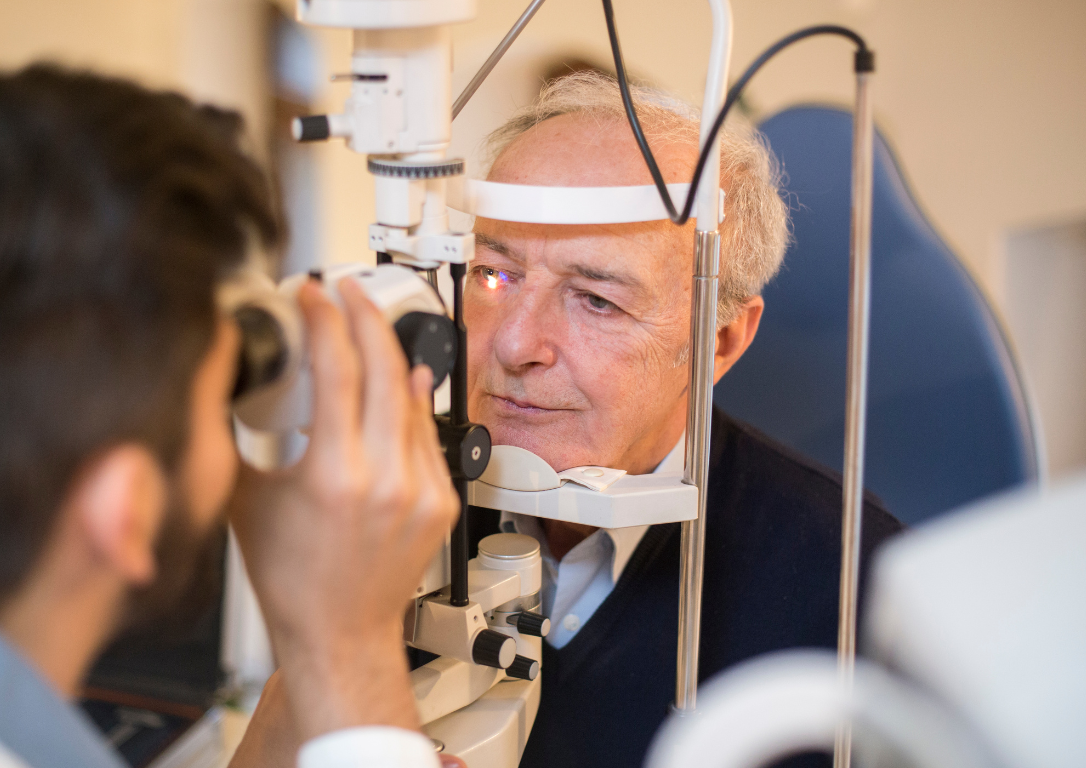
How Thoughtful Eye Care in Baton Rouge Changes Lives Every Day

Custom Eyes Vision Center Baton Rouge stands out as a valuable contributor in the field of family eye care, providing an approach rooted in professionalism, warmth, and technical expertise. Their philosophy recognizes that exceptional eye care is a blend of detailed assessment, open communication, and adaptability to the needs of all ages. With services extending from a child’s first eye exam to vigilant screenings for seniors, they highlight how comprehensive care can have lifelong benefits. Beyond detecting early signs of diseases, regular checkups at a reputable center foster healthy visual development, support educational achievement, and promote day-to-day comfort.

For adults, the comfort of knowing their eyewear choices are professionally guided—rather than chosen from generic online retailers—means greater confidence in both function and fit. The importance of well-fitted lenses, accurate prescriptions, and access to dry eye therapy or myopia control can’t be overstated. Custom Eyes Vision Center recognizes eyewear as more than a commodity; it’s a daily tool that shapes how patients interact with their world. This personalized, technology-driven service model not only addresses current vision needs but offers peace of mind that future concerns will be managed proactively and effectively. Baton Rouge residents benefit from these tangible improvements: better vision, less discomfort, and the reassurance that their eye health is diligently protected.

Family Eye Care from Infancy to Senior Years: What Truly Sets Comprehensive Providers Apart

Not all eye care centers deliver the same breadth of services or family-focused philosophy. In Baton Rouge, a provider who embraces every age group—responding to the distinct needs of toddlers, teens, working adults, and seniors—addresses a significant community need. Many practices segment populations or prioritize speed over depth. By contrast, Custom Eyes Vision Center’s commitment to complete family care ensures no one is overlooked, from a child nervous at their first eye exam to a grandparent seeking help for age-related conditions.

With modern diagnostic technology and a comfortable clinic environment, families experience care that is both thorough and reassuring. This approach goes beyond simply prescribing glasses or contact lenses; it builds long-term relationships, trust, and understanding. By tracking changes in eye health over time, comprehensive providers can anticipate and address issues early, dramatically reducing the risk of irreversible damage. In a region as dynamic and diverse as Baton Rouge, such attentive, customized care is transformative—offering peace of mind as well as functional, everyday benefits.

Affordable Eyecare in Baton Rouge: Why Access Matters

For many families, the greatest barrier to proper vision care is affordability. Baton Rouge is home to people from all backgrounds, and offering eye exams, eyeglasses, and therapy at accessible price points fundamentally changes what’s possible for the community. Custom Eyes Vision Center’s deep commitment to affordability means that clear sight isn’t a luxury—it's a right for every resident. This is especially impactful for parents of young children or seniors on fixed incomes, ensuring they are not forced to delay critical interventions due to cost.

Family friendly waiting area at Custom Eyes Vision Center Baton Rouge

Accessible care also builds community trust and loyalty. When locals know that professional, high-quality service is within reach, they are more likely to take proactive steps to safeguard their eye health. Comprehensive exams become a routine part of wellness—not an emergency response. Ultimately, prioritizing affordability expresses a core belief: everyone deserves the opportunity to see clearly and live comfortably, regardless of financial circumstance.

Empowering Patients: Education, Convenience, and Lasting Outcomes in Eye Health

Empowering patients with knowledge is another signature strength among leading eyecare centers. Through thoughtful blog posts and direct conversations, Custom Eyes Vision Center educates patients on topics like dry eye therapy, digital eye strain, and the critical limitations of online eyewear shopping. These resources demystify common vision challenges and help patients make informed decisions about treatments, lens technology, and preventative care. Education isn’t limited to brochures—it’s woven into every appointment and interaction so that each visitor leaves feeling understood and equipped.

Convenience also shapes the overall experience. With organized scheduling and a welcoming environment, patients find eye care that fits seamlessly into their lives—even amidst packed school calendars or work commitments. Optometrists guide lens fittings, address eye discomfort, and work collaboratively to create sustainable solutions. This holistic, informed approach fosters not just short-term improvement but lifelong habits that protect and preserve vision over decades.

Custom Eyes Vision Center’s Philosophy: Personalized, Compassionate Vision Care

A close look at Custom Eyes Vision Center reveals a philosophy that elevates patient care beyond the transactional. Their approach centers on compassion, empathy, and genuine interest in each patient’s story and aspirations. Professional optometrists emphasize comfort, convenience, and education at every step, ensuring each visit is tailored to individual needs and concerns. The atmosphere is intentionally welcoming so even those anxious about examinations feel confident and at ease.

Investing in the latest technology for diagnostics and management, the center positions itself not just as a provider but as a community partner in health and wellness. Their mission is clear: deliver eye care that fits busy schedules, attends to every family member, and supports long-term vision health. This commitment to quality and affordability is matched by their belief that every patient deserves to be heard, respected, and empowered. Through these guiding values, Custom Eyes Vision Center has become a trusted resource not just for vision correction, but for holistic, lifelong eye wellness in Baton Rouge.

What Baton Rouge Residents Experience with Custom Eyes Vision Center

For community members who want to understand what truly differentiates family-focused vision care, the experiences of real patients provide invaluable insight. Here is a compelling testimonial drawn from published reviews that illustrates the kind of impact and reassurance Baton Rouge locals find when they choose Custom Eyes Vision Center for their eye health needs:
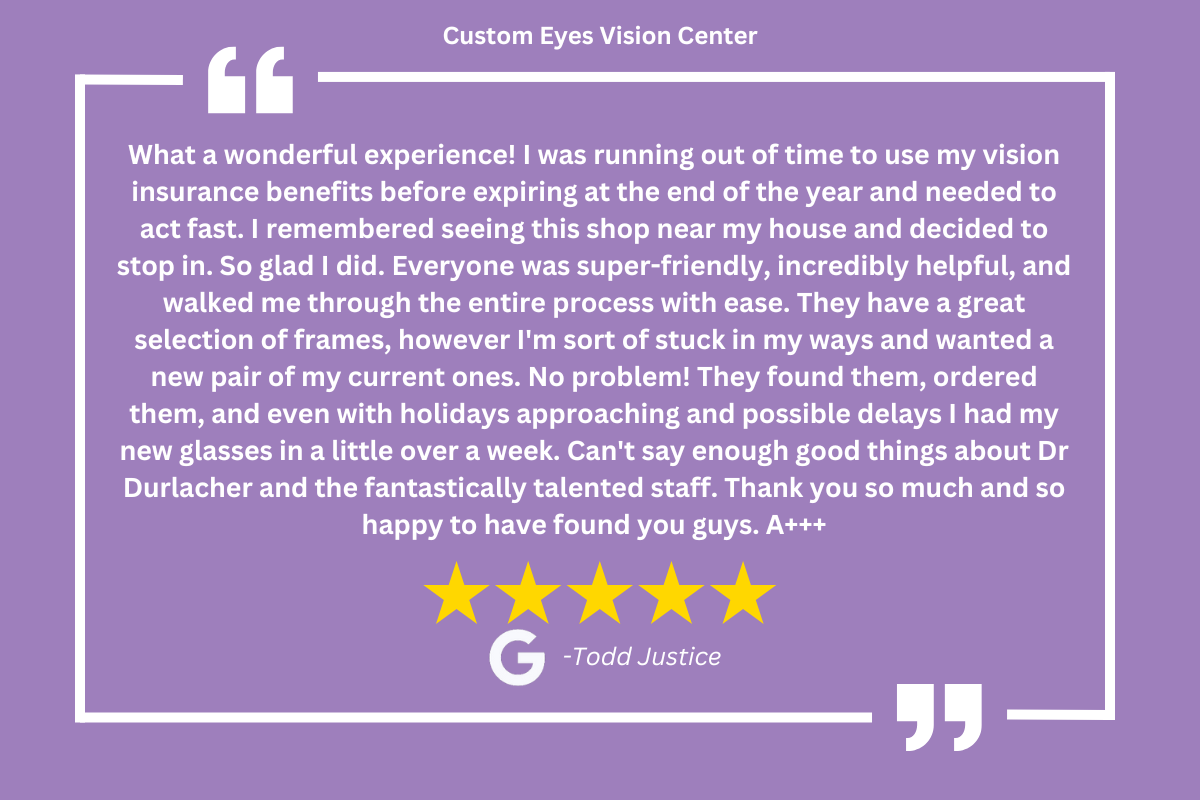
Feedback from the community consistently highlights comfort, patience, professionalism, and genuine care—qualities that transform a simple appointment into a valued partnership. Those who act on the importance of proactive eye care with a trusted team experience not just sharper vision, but greater confidence and long-term wellness. For Baton Rouge families, these positive, reassuring experiences show the benefits waiting for those who prioritize comprehensive, personalized eye health.

Why Trusting Your Vision to Custom Eyes Vision Center Baton Rouge Makes a Lasting Difference

In a city known for its vibrant culture and active families, customized eye care is a thread that weaves through everyday well-being, learning, and connection. The science is clear: regular, professional assessments and tailored treatment not only safeguard vision but prevent small problems from escalating into life-altering issues. The role of Custom Eyes Vision Center Baton Rouge in this landscape is that of a steadfast expert—bringing advanced technology and heartfelt compassion to every patient encounter. Their philosophy and approach have set a high bar for what family eye care can be, making them a vital contributor to the community. For residents seeking clarity, comfort, and confidence, making vision a priority is an investment in all the moments and milestones that matter most.

Contact the Experts at Custom Eyes Vision Center

If you’d like to learn more about how eye care in Baton Rouge could benefit your vision and overall wellness, contact the team at Custom Eyes Vision Center.
📍 Address: 257 Lee Dr Suite Q, Baton Rouge, LA 70808, USA
📞 Phone: +1 225-819-0120
🌐 Website: http://customeyesbr.com/

Custom Eyes Vision Center Location and Hours


🕒 Hours of Operation:
📅 Monday: 10:00 AM – 5:00 PM
📅 Tuesday: 10:00 AM – 5:00 PM
📅 Wednesday: 10:00 AM – 5:00 PM
📅 Thursday: 10:00 AM – 5:00 PM
📅 Friday: 10:00 AM – 5:00 PM
📅 Saturday: ❌ Closed
📅 Sunday: ❌ Closed
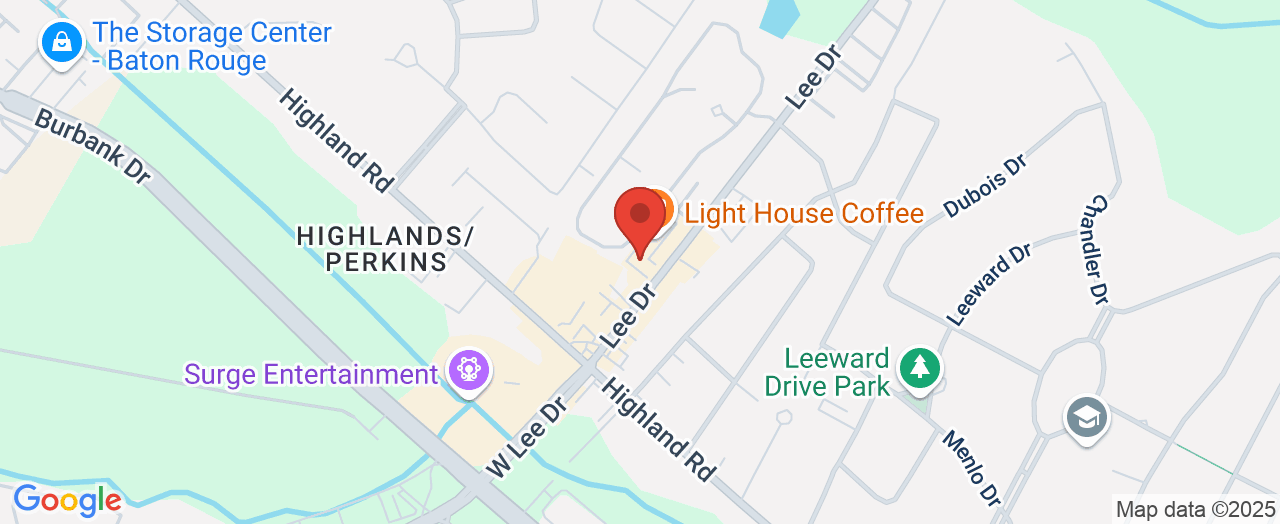
Location Map
Health

18 Views

Related Posts All Posts
10.05.2026

Unlocking the Secrets: Why Your Belly Fat Won't Go Away

Update Why Belly Fat Can Be Stubborn Many individuals struggle with unwanted belly fat, especially as they age. Surprisingly, the challenge often isn't about effort or willpower; rather, it's grounded in our biology. A fascinating aspect of belly fat is how our evolution has programmed us to retain it for survival. Specifically, hormonal receptors in our belly fat, known as alpha and beta receptors, play a critical role in how our bodies store and release fat. In fact, there are significantly more alpha receptors, which act like a brake, making it harder to shed that bulge.In 'Why Your Belly Fat Won't Go Away (Even When You Do Everything)', the video explores the biological reasons behind stubborn belly fat, prompting us to delve deeper into effective solutions and lifestyle adjustments. The Complicated Role of Hormones This primal instinct to retain belly fat has deep evolutionary roots. It was once essential for survival. Our ancestors needed to store energy efficiently for times of scarcity. Today, even with ample food access, our bodies still respond to stress by storing fat, particularly in the midsection—a region that houses our vital organs. This has implications for health, as excess abdominal fat has been linked to various chronic conditions such as heart disease and diabetes. The Science of Fasting and Exercise One effective approach to overcoming the body's natural inclination to hold onto belly fat is through a combination of fasting and exercise. Specifically, high-intensity interval training (HIIT) stands out as an effective form of exercise. Unlike moderate cardio, HIIT is designed to elevate adrenaline levels significantly—up to 30 times above baseline—allowing for more effective fat loss. Many individuals, especially those over 60, might find these brief but intense exercise bursts manageable and beneficial. Coupled with intermittent fasting—especially fasting for 20 hours—this approach can drastically reduce insulin levels, creating the right conditions for fat loss. The Importance of Insulin Management Managing insulin levels is paramount in this fat loss journey. When insulin is high, it promotes fat storage, particularly in the abdominal area. For older adults, it's crucial to reduce carbohydrate intake and avoid frequent snacking. Collapsing carbohydrate-rich meals to one or two a day, while fasting for most of the day, can lead to remarkable changes in body composition. This dietary shift prior to meal times can significantly lower the insulin levels needed for effective fat loss. Your body will appreciate this effort, leading to better metabolic health and gradual weight loss. Stress and its Impact on Belly Fat Stress plays a critical role in fat accumulation, particularly in the midsection. The body releases cortisol in response to stress, another hormone that encourages belly fat storage. To combat this, it is essential to not only manage your diet and exercise routine but also focus on relaxing activities. Gentle movements like walking in the sun can boost your mood and lower cortisol levels simultaneously. Engaging in mindfulness practices can also help you decode stress management more effectively. Making sleep a priority—aiming for at least eight hours a night—is another essential step; it's during sleep that the body heals and restores itself, promoting fat loss. Embracing Quality Fats The types of fats we consume can also influence our belly fat. For those keen on ketosis, it’s important to focus on the quality of fats. With so many dietary trends emerging, particularly within the ketogenic community, it's crucial to steer clear of harmful practices known as "dirty keto" where processed fats are consumed indiscriminately. Instead, embrace healthy options such as olive oil, lard, and tallow, while steering clear of harmful industrial seed oils and sugars. Foods rich in omega-3 fatty acids and monounsaturated fats can aid in reducing belly fat and promoting overall health. Remember, the idea is not just to cut fats but to improve the quality of what you are consuming. Practical Steps for Everyday Life Daily routines heavily influence our health, especially for aging populations who might already be managing other health conditions. Consider implementing structured meal times without snacking to create a more consistent eating pattern. Incorporate HIIT into your weekly schedule—ideally performing just 8-15 minutes of intense bursts of exercise, 2-3 times weekly. These changes may seem small but can lead to significant results over time. Additionally, a checklist of daily habits can help in tracking progress and solidifying commitment to these health practices. Using community resources or support groups can also enhance motivation and accountability. Final Thoughts on the Journey Ahead As we navigate the challenges of managing health and wellness, especially with aging, it’s crucial to remain patient and persistent. Small, consistent efforts compounded over time lead to substantial changes. There is no immediate solution; instead, it’s about adopting sustainable habits that promote long-term health. If you are curious to learn more about effective eating strategies or need guidance on maintaining healthy habits, feel free to reach out and explore the resources offered to aid your journey. Remember, it's about embracing sustainable practices rather than seeking quick fixes. This holistic approach to managing belly fat emphasizes not just the 'how,' but understanding the 'why' behind our bodily responses. By fostering compassion towards our bodies and understanding these mechanisms, we can better engage with our health journey.

10.05.2026

Daily Creatine Supplementation: An Essential Step to Preserve Muscle as You Age

Update Understanding Creatine: A Key to Muscle Preservation The aging process is often accompanied by a decline in muscle mass and strength, a condition known as sarcopenia. As individuals cross into their 50s and beyond, this loss becomes more pronounced, significantly affecting their mobility and quality of life. However, recent findings have illuminated a potential ally in combating muscle deterioration: creatine supplementation. The Study: A Closer Look A recent study conducted by researchers at Texas A&M University’s Exercise & Sport Nutrition Lab involved 64 participants aged 45 to 65, focusing on the effects of daily creatine monohydrate supplementation. Over 12 weeks, participants were split into two groups: one that exercised in conjunction with a diet and another that did not engage in physical activity. Surprisingly, even those who remained sedentary experienced significant benefits. They saw increases in lean muscle mass and improvements in strength, indicating that daily creatine can be effective irrespective of an exercise regimen. What is Creatine? Certainly, you might wonder, what exactly is creatine? It is a naturally occurring compound found mainly in muscle cells, aiding in the generation of adenosine triphosphate (ATP), the primary energy carrier in your body's cells. While it is commonly associated with athletes and bodybuilders, this study reveals its broader benefits, reaching individuals aiming to maintain their strength and cognitive function as they age. In Louisiana, where outdoor activities and community sports are common, understanding creatine’s benefits can provide a competitive edge in staying active. Potential Benefits Beyond Muscle Research suggests that creatine supplementation may do more than simply support muscle health. The Texas A&M study pointed out improvements in cognitive functions, such as memory and processing speed, echoing findings from various studies supporting the cognitive benefits of creatine. This dual-action makes creatine a uniquely beneficial supplement for older adults, as it can enhance both physical and mental performance during the golden years. In a state known for its vibrant festivals and rich cultural life, maintaining cognitive function allows seniors to enjoy social interactions and activities that enhance their quality of life. Fitness Expert Insights Fitness coach Jacob Zemer emphasized that the findings of increasing lean muscle mass without exercise are indeed remarkable. He noted that such enhancements in muscle tissue contribute to strength rather than simply boosting water retention in muscle cells, a common misconception surrounding creatine gain. His assertion that 'the benefits of exercise will always supersede those of creatine alone, and when the two are combined, they are both enhanced' serves as a reminder that while supplementation is advantageous, it should not replace regular physical activity. Practical Tips for Considering Creatine For those contemplating creatine, particularly individuals over 55 in Louisiana, several steps are advisable. First, consulting with a healthcare professional can provide personalized insights and confirm if creatine supplementation is suitable for individual health needs. This is especially relevant in Louisiana, where certain health conditions may be prevalent due to lifestyle and climate factors. A doctor's advice can help ensure that creatine aligns well with a person’s overall health strategy. Next, selecting a reputable brand ensures quality and reliability in its sourcing. With various products available on the market, not all creatine supplements are created equal. It's crucial to choose brands recognized for their commitment to safety and efficacy. Checking for certifications or endorsements from health organizations can be beneficial. It's also essential to stay hydrated while on creatine, as it may increase water retention in the body. Dehydration not only affects overall health but can also impair physical performance, which is vital for those looking to remain active. Local Louisiana residents might benefit from the state’s warm climate, ensuring they drink enough fluids throughout the day. The Broader Lifestyle Considerations Integrating this supplement into an active lifestyle, complemented by regular physical activity and a balanced diet, can yield better health outcomes. Simple exercises can be incorporated into daily routines, such as walking or gardening, to maintain mobility and strength. Participation in community activities and local fitness classes can foster a sense of belonging while encouraging regular exercise. For older adults, particularly those living alone or in care facilities, finding enjoyable and engaging ways to remain active is crucial. Social connections can facilitate a more active lifestyle, which ties in well with creatine supplementation. As both creatine and physical activity support muscle strength and cognitive function, they create a positive feedback loop in overall health. Conclusion: A Holistic Approach to Aging In addition to creatine, focusing on a holistic approach that includes exercise, a varied diet, and mental stimulation is vital to ensure a fulfilling, healthy lifestyle as one ages. Embracing small changes today can lead to significant benefits tomorrow. As you consider this ancient supplement, recognize its potential to enhance both your physical strength and cognitive abilities, resulting in a richer, more empowered experience as you journey through life. By maintaining an awareness of both physical and cognitive health, you can better navigate the challenges of aging. Incorporating supplements like creatine with thoughtful lifestyle choices in Louisiana’s vibrant community can significantly enhance quality of life, fostering longevity and vitality.”}

10.05.2026

Men's Health Crisis: Understanding Bulimia and Body Image Pressures

Update Understanding Bulimia: An Overlooked Disorder in Men Eating disorders have long been perceived as issues primarily affecting women; however, a growing number of men are secretly grappling with these serious conditions. Following Sylvester Stallone’s candid admission about his struggle with bulimia during his preparation for the role in 'Rambo,' these concerns have garnered increased attention. Stallone's experience sheds light on the often invisible dynamics of bulimia among men, which can be deeply intertwined with societal pressures surrounding masculinity and body image. Defining Bulimia and Its Symptoms Bulimia nervosa is characterized by binge-eating followed by compensatory behaviors, such as purging or excessive exercise. According to the National Institute of Mental Health, this disorder is often shrouded in secrecy, making recognition and intervention more challenging. Signs can include excessive dieting, compulsive exercise routines, and purchasing large quantities of diet supplements or performance enhancers. For many men suffering in silence, the fear of judgment often keeps them from seeking help. The Pressures Driving Eating Disorders Among Men Brian Pollack, a clinical social worker specializing in male eating disorders, emphasizes that men often feel a complex interplay between their desire to achieve the societal ideal of masculinity and their struggles with body image. Today's cultural landscape, bombarded with images of muscular physiques and the societal expectation to appear “perfect,” exacerbates these pressures. Pollack notes the term ‘looksmaxxing’ to describe the obsessive pursuit of an ideal appearance, sometimes resulting in extreme measures including surgery and unhealthy weight management practices. This need to conform to the ideal male body can lead men to adopt dangerous habits that jeopardize their health. Comparing Body Image Pressures: Then and Now Historically, body-image concerns were primarily associated with women; however, as more men become influenced by social media and celebrity culture, the need to maintain a chiseled appearance intensifies. Just as women faced relentless beauty standards in past decades, today’s males confront similar challenges but respond differently. Pollack suggests that men often hide their struggles, masking their vulnerabilities with a facade of muscularity and strength. Many men feel that discussing their emotional well-being or struggles with self-image might diminish their perceived masculinity, further complicating their path toward recovery. Why These Disorders Often Go Unreported The stigma surrounding men discussing these struggles can lead to underreporting and a lack of understanding. Unlike women who may seek help more readily, men may associate vulnerability with weakness, further complicating their ability to confront their issues openly. The fear of being viewed as less masculine plays a crucial role in the reluctance to admit to mental health struggles, including eating disorders. This silence can be detrimental not only to the individual but can also affect relationships with loved ones who may sense a problem but feel powerless to help. Taking Action: Recognizing the Warning Signs Awareness is key for those who might be concerned about a loved one. Increased purchases of supplements, isolation, obsessive dieting, and excessive workout routines can all indicate potential struggles with bulimia or other eating disorders. It’s essential for families and friends to approach these topics sensitively and provide a supportive atmosphere that encourages open conversation about mental health. Being proactive in these discussions can sometimes lead to family members or friends seeking help sooner, potentially averting severe consequences later on. The Importance of Seeking Help Recovery from bulimia is possible, and reaching out for help is a courageous first step. Professionals, like Pollack, emphasize the importance of therapy and support systems tailored to men, recognizing their unique perspectives and struggles. Initiatives that promote healthy discussions surrounding masculinity and body image can pave the way for increased treatment and recovery pathways. Additionally, group therapy settings can provide a much-needed sense of community and understanding for men who feel like isolated individuals in their fight. Community Resources in Louisiana In Louisiana, there are numerous resources available to support individuals suffering from eating disorders. Organizations such as the Louisiana Eating Disorder Council provide vital information and support networks for recovery. These local organizations often conduct workshops, share valuable resources, and create safe spaces for men to discuss their experiences. Engaging in community discussions can foster understanding and create a supportive environment for those in need. It’s crucial for individuals and their families to connect with these resources for guidance and assistance. Concluding Thoughts As we see a rise in eating disorders among men, particularly influenced by societal expectations and the pressure to achieve the ‘perfect’ body, awareness and understanding of these issues must grow. It is crucial for those struggling, as well as their friends and family, to recognize the signs and seek help. Together, we can create dialogue surrounding these often-hushed issues and offer pathways to recovery. When men speak openly about their challenges, they not only empower themselves but also create a space for others to share their stories. If you or someone you know is struggling with an eating disorder, consider reaching out for professional help. In Louisiana, local support groups and therapists are ready to provide guidance and resources for recovery. Remember, you’re not alone in this journey. Taking that step towards seeking assistance could be the turning point toward a healthier and happier life.

Golden Years of Louisiana

GoldenYearsLA.com is Louisiana’s trusted online magazine for seniors, offering lifestyle inspiration, health tips, financial guidance, and travel ideas tailored to you.

  • Privacy Policy
  • Terms of Use
  • Advertise
  • Contact Us
  • Menu 5
  • Menu 6
Hours

AVAILABLE M-F 9AM - 5PM CST

Hall Street Media

Hall Street Media is a Louisiana-based media company creating engaging digital publications for lifestyle, health, business, and regional audiences across the Gulf South.

© 2026 Golden Years of Louisiana All Rights Reserved. Hall Street Media, Lafayette, Louisiana 70501 . Contact Us . Terms of Service . Privacy Policy

eyJjb21wYW55IjoiR29sZGVuIFllYXJzIG9mIExvdWlzaWFuYSIsImFkZHJlc3MiOiJIYWxsIFN0cmVldCBNZWRpYSIsImNpdHkiOiJMYWZheWV0dGUiLCJzdGF0ZSI6IkxvdWlzaWFuYSIsInppcCI6IjcwNTAxIiwiZW1haWwiOiJnb2xkZW55ZWFyc2xhQGdtYWlsLmNvbSIsInRvcyI6IlBIQStQSE4wY205dVp6NDhaVzArVjJobGJpQjViM1VnYzJsbmJpMXBiaUIzYVhSb0lIVnpMQ0I1YjNVZ1lYSmxJR2RwZG1sdVp5WnVZbk53T3lCNWIzVnlJSEJsY20xcGMzTnBiMjRnWVc1a0lHTnZibk5sYm5RZ2RHOGdjMlZ1WkNCNWIzVWdaVzFoYVd3Z1lXNWtMMjl5SUZOTlV5QjBaWGgwSUcxbGMzTmhaMlZ6TGlCQ2VTQmphR1ZqYTJsdVp5QjBhR1VnVkdWeWJYTWdZVzVrSUVOdmJtUnBkR2x2Ym5NZ1ltOTRJR0Z1WkNCaWVTQnphV2R1YVc1bklHbHVJSGx2ZFNCaGRYUnZiV0YwYVdOaGJHeDVJR052Ym1acGNtMGdkR2hoZENCNWIzVWdZV05qWlhCMElHRnNiQ0IwWlhKdGN5QnBiaUIwYUdseklHRm5jbVZsYldWdWRDNDhMMlZ0UGp3dmMzUnliMjVuUGp3dmNENEtDanh3UG1oMGRIQnpPaTh2WjI5c1pHVnVlV1ZoY25Oc1lTNWpiMjA4TDNBK0NnbzhjRDRtYm1KemNEczhMM0ErQ2dvOGNENDhjM1J5YjI1blBsTkZVbFpKUTBVOEwzTjBjbTl1Wno0OEwzQStDZ284Y0Q1WFpTQndjbTkyYVdSbElHRWdjMlZ5ZG1salpTQjBhR0YwSUdOMWNuSmxiblJzZVNCaGJHeHZkM01nZVc5MUlIUnZJSEpsWTJWcGRtVWdjbVZ4ZFdWemRITWdabTl5SUdabFpXUmlZV05yTENCamIyMXdZVzU1SUdsdVptOXliV0YwYVc5dUxDQndjbTl0YjNScGIyNWhiQ0JwYm1admNtMWhkR2x2Yml3Z1kyOXRjR0Z1ZVNCaGJHVnlkSE1zSUdOdmRYQnZibk1zSUdScGMyTnZkVzUwY3lCaGJtUWdiM1JvWlhJZ2JtOTBhV1pwWTJGMGFXOXVjeUIwYnlCNWIzVnlJR1Z0WVdsc0lHRmtaSEpsYzNNZ1lXNWtMMjl5SUdObGJHeDFiR0Z5SUhCb2IyNWxJRzl5SUdSbGRtbGpaUzRnV1c5MUlIVnVaR1Z5YzNSaGJtUWdZVzVrSUdGbmNtVmxJSFJvWVhRZ2RHaGxJRk5sY25acFkyVWdhWE1nY0hKdmRtbGtaV1FnSm5GMWIzUTdRVk10U1ZNbWNYVnZkRHNnWVc1a0lIUm9ZWFFnZDJVZ1lYTnpkVzFsSUc1dklISmxjM0J2Ym5OcFltbHNhWFI1SUdadmNpQjBhR1VnZEdsdFpXeHBibVZ6Y3l3Z1pHVnNaWFJwYjI0c0lHMXBjeTFrWld4cGRtVnllU0J2Y2lCbVlXbHNkWEpsSUhSdklITjBiM0psSUdGdWVTQjFjMlZ5SUdOdmJXMTFibWxqWVhScGIyNXpJRzl5SUhCbGNuTnZibUZzYVhwaGRHbHZiaUJ6WlhSMGFXNW5jeTQ4TDNBK0NnbzhjRDVaYjNVZ1lYSmxJSEpsYzNCdmJuTnBZbXhsSUdadmNpQnZZblJoYVc1cGJtY2dZV05qWlhOeklIUnZJSFJvWlNCVFpYSjJhV05sSUdGdVpDQjBhR0YwSUdGalkyVnpjeUJ0WVhrZ2FXNTJiMngyWlNCMGFHbHlaQ0J3WVhKMGVTQm1aV1Z6SUNoemRXTm9JR0Z6SUZOTlV5QjBaWGgwSUcxbGMzTmhaMlZ6TENCSmJuUmxjbTVsZENCelpYSjJhV05sSUhCeWIzWnBaR1Z5SUc5eUlHTmxiR3gxYkdGeUlHRnBjblJwYldVZ1kyaGhjbWRsY3lrdUlGbHZkU0JoY21VZ2NtVnpjRzl1YzJsaWJHVWdabTl5SUhSb2IzTmxJR1psWlhNc0lHbHVZMngxWkdsdVp5QjBhRzl6WlNCbVpXVnpJR0Z6YzI5amFXRjBaV1FnZDJsMGFDQjBhR1VnWkdsemNHeGhlU0J2Y2lCa1pXeHBkbVZ5ZVNCdlppQmxZV05vSUZOTlV5QjBaWGgwSUcxbGMzTmhaMlVnYzJWdWRDQjBieUI1YjNVZ1lua2dkWE11SUVsdUlHRmtaR2wwYVc5dUxDQjViM1VnYlhWemRDQndjbTkyYVdSbElHRnVaQ0JoY21VZ2NtVnpjRzl1YzJsaWJHVWdabTl5SUdGc2JDQmxjWFZwY0cxbGJuUWdibVZqWlhOellYSjVJSFJ2SUdGalkyVnpjeUIwYUdVZ1UyVnlkbWxqWlNCaGJtUWdjbVZqWldsMlpTQjBhR1VnVTAxVElIUmxlSFFnYldWemMyRm5aWE11SUZkbElHUnZJRzV2ZENCamFHRnlaMlVnWVc1NUlHWmxaWE1nWm05eUlHUmxiR2wyWlhKNUlHOW1JR1Z0WVdsc0lHOXlJRk5OVXk0Z1ZHaHBjeUJwY3lCaElHWnlaV1VnYzJWeWRtbGpaU0J3Y205MmFXUmxaQ0JpZVNCMWN5NGdTRzkzWlhabGNpd2djR3hsWVhObElHTm9aV05ySUhkcGRHZ2dlVzkxY2lCcGJuUmxjbTVsZENCelpYSjJhV05sSUhCeWIzWnBaR1Z5SUdGdVpDQmpaV3hzZFd4aGNpQmpZWEp5YVdWeUlHWnZjaUJoYm5rZ1kyaGhjbWRsY3lCMGFHRjBJRzFoZVNCcGJtTjFjaUJoY3lCaElISmxjM1ZzZENCbWNtOXRJSEpsWTJWcGRtbHVaeUJsYldGcGJDQmhibVFnVTAxVElIUmxlSFFnYldWemMyRm5aWE1nZEdoaGRDQjNaU0JrWld4cGRtVnlJSFZ3YjI0Z2VXOTFjaUJ2Y0hRdGFXNGdZVzVrSUhKbFoybHpkSEpoZEdsdmJpQjNhWFJvSUc5MWNpQmxiV0ZwYkNCaGJtUWdVMDFUSUhObGNuWnBZMlZ6TGlCWmIzVWdZMkZ1SUdOaGJtTmxiQ0JoZENCaGJua2dkR2x0WlM0Z1NuVnpkQ0IwWlhoMElDWnhkVzkwTzFOVVQxQW1jWFZ2ZERzZ2RHOG1ibUp6Y0RzOGFHbG5hR3hwWjJoMElHTnNZWE56UFNKamIyMXdZVzU1VTAxVFVHaHZibVZWY0dSaGRHVWlQbTUxYkd3OEwyaHBaMmhzYVdkb2RENHVJRUZtZEdWeUlIbHZkU0J6Wlc1a0lIUm9aU0JUVFZNZ2JXVnpjMkZuWlNBbWNYVnZkRHRUVkU5UUpuRjFiM1E3SUhSdklIVnpMQ0IzWlNCM2FXeHNJSE5sYm1RZ2VXOTFJR0Z1SUZOTlV5QnRaWE56WVdkbElIUnZJR052Ym1acGNtMGdkR2hoZENCNWIzVWdhR0YyWlNCaVpXVnVJSFZ1YzNWaWMyTnlhV0psWkM0Z1FXWjBaWElnZEdocGN5d2dlVzkxSUhkcGJHd2dibThnYkc5dVoyVnlJSEpsWTJWcGRtVWdVMDFUSUcxbGMzTmhaMlZ6SUdaeWIyMGdkWE11UEM5d1Bnb0tQSEErUEhOMGNtOXVaejVaVDFWU0lGSkZSMGxUVkZKQlZFbFBUaUJQUWt4SlIwRlVTVTlPVXp3dmMzUnliMjVuUGp3dmNENEtDanh3UGtsdUlHTnZibk5wWkdWeVlYUnBiMjRnYjJZZ2VXOTFjaUIxYzJVZ2IyWWdkR2hsSUZObGNuWnBZMlVzSUhsdmRTQmhaM0psWlNCMGJ6bzhMM0ErQ2dvOGIydytDZ2s4YkdrK2NISnZkbWxrWlNCMGNuVmxMQ0JoWTJOMWNtRjBaU3dnWTNWeWNtVnVkQ0JoYm1RZ1kyOXRjR3hsZEdVZ2FXNW1iM0p0WVhScGIyNGdZV0p2ZFhRZ2VXOTFjbk5sYkdZZ1lYTWdjSEp2YlhCMFpXUWdZbmtnZEdobElGTmxjblpwWTJVbUl6TTVPM01nY21WbmFYTjBjbUYwYVc5dUlHWnZjbTBnS0hOMVkyZ2dhVzVtYjNKdFlYUnBiMjRnWW1WcGJtY2dkR2hsSUNaeGRXOTBPMUpsWjJsemRISmhkR2x2YmlCRVlYUmhKbkYxYjNRN0tTQmhibVE4TDJ4cFBnb0pQR3hwUG0xaGFXNTBZV2x1SUdGdVpDQndjbTl0Y0hSc2VTQjFjR1JoZEdVZ2RHaGxJRkpsWjJsemRISmhkR2x2YmlCRVlYUmhJSFJ2SUd0bFpYQWdhWFFnZEhKMVpTd2dZV05qZFhKaGRHVXNJR04xY25KbGJuUWdZVzVrSUdOdmJYQnNaWFJsTGlCSlppQjViM1VnY0hKdmRtbGtaU0JoYm5rZ2FXNW1iM0p0WVhScGIyNGdkR2hoZENCcGN5QjFiblJ5ZFdVc0lHbHVZV05qZFhKaGRHVXNJRzV2ZENCamRYSnlaVzUwSUc5eUlHbHVZMjl0Y0d4bGRHVXNJRzl5SUhkbElHaGhkbVVnY21WaGMyOXVZV0pzWlNCbmNtOTFibVJ6SUhSdklITjFjM0JsWTNRZ2RHaGhkQ0J6ZFdOb0lHbHVabTl5YldGMGFXOXVJR2x6SUhWdWRISjFaU3dnYVc1aFkyTjFjbUYwWlN3Z2JtOTBJR04xY25KbGJuUWdiM0lnYVc1amIyMXdiR1YwWlN3Z2QyVWdhR0YyWlNCMGFHVWdjbWxuYUhRZ2RHOGdjM1Z6Y0dWdVpDQnZjaUE4YzNSeWIyNW5Qanh6Y0dGdUlITjBlV3hsUFNKamIyeHZjam9qUmtZd01EQXdPeUkrZEdWeWJXbHVZWFJsSUhsdmRYSWdZV05qYjNWdWRDOXdjbTltYVd4bElHRnVaQ0J5WldaMWMyVWdZVzU1SUdGdVpDQmhiR3dnWTNWeWNtVnVkQ0J2Y2lCbWRYUjFjbVVnZFhObElHOW1JSFJvWlNCVFpYSjJhV05sSUNodmNpQmhibmtnY0c5eWRHbHZiaUIwYUdWeVpXOW1LUzQ4TDNOd1lXNCtQQzl6ZEhKdmJtYytQQzlzYVQ0S1BDOXZiRDRLQ2p4d1BpWnVZbk53T3p3dmNENEtQR2hwWjJoc2FXZG9kQ0JqYkdGemN6MGlZMjl0Y0dGdWVVNWhiV1ZWY0dSaGRHVWlQa2R2YkdSbGJpQlpaV0Z5Y3lCdlppQk1iM1ZwYzJsaGJtRThMMmhwWjJoc2FXZG9kRDQ4WW5JZ0x6NEtQR2hwWjJoc2FXZG9kQ0JqYkdGemN6MGlZMjl0Y0dGdWVVVnRZV2xzVlhCa1lYUmxJajVuYjJ4a1pXNTVaV0Z5YzJ4aFFHZHRZV2xzTG1OdmJUd3ZhR2xuYUd4cFoyaDBQZz09IiwicHJpdmFjeSI6IlBIQStQSE4wY205dVp6NVFVa2xXUVVOWlBDOXpkSEp2Ym1jK1BDOXdQZ29LUEhBK1BITjBjbTl1Wno1VWFHVWdhVzVtYjNKdFlYUnBiMjRnY0hKdmRtbGtaV1FnWkhWeWFXNW5JSFJvYVhNZ2NtVm5hWE4wY21GMGFXOXVJR2x6SUd0bGNIUWdjSEpwZG1GMFpTQmhibVFnWTI5dVptbGtaVzUwYVdGc0xDQmhibVFnZDJsc2JDQnVaWFpsY2lCaVpTQmthWE4wY21saWRYUmxaQ3dnWTI5d2FXVmtMQ0J6YjJ4a0xDQjBjbUZrWldRZ2IzSWdjRzl6ZEdWa0lHbHVJR0Z1ZVNCM1lYa3NJSE5vWVhCbElHOXlJR1p2Y20wdUlGUm9hWE1nYVhNZ2IzVnlJR2QxWVhKaGJuUmxaUzQ4TDNOMGNtOXVaejQ4TDNBK0NnbzhjRDQ4YzNSeWIyNW5Qa2xPUkVWTlRrbFVXVHd2YzNSeWIyNW5Qand2Y0Q0S0NqeHdQanhsYlQ1WmIzVWdZV2R5WldVZ2RHOGdhVzVrWlcxdWFXWjVJR0Z1WkNCb2IyeGtJSFZ6TENCaGJtUWdhWFJ6SUhOMVluTnBaR2xoY21sbGN5d2dZV1ptYVd4cFlYUmxjeXdnYjJabWFXTmxjbk1zSUdGblpXNTBjeXdnWTI4dFluSmhibVJsY25NZ2IzSWdiM1JvWlhJZ2NHRnlkRzVsY25Nc0lHRnVaQ0JsYlhCc2IzbGxaWE1zSUdoaGNtMXNaWE56SUdaeWIyMGdZVzU1SUdOc1lXbHRJRzl5SUdSbGJXRnVaQ3dnYVc1amJIVmthVzVuSUhKbFlYTnZibUZpYkdVZ1lYUjBiM0p1WlhsekppTXpPVHNnWm1WbGN5d2diV0ZrWlNCaWVTQmhibmtnZEdocGNtUWdjR0Z5ZEhrZ1pIVmxJSFJ2SUc5eUlHRnlhWE5wYm1jZ2IzVjBJRzltSUVOdmJuUmxiblFnZVc5MUlISmxZMlZwZG1Vc0lITjFZbTFwZEN3Z2NtVndiSGtzSUhCdmMzUXNJSFJ5WVc1emJXbDBJRzl5SUcxaGEyVWdZWFpoYVd4aFlteGxJSFJvY205MVoyZ2dkR2hsSUZObGNuWnBZMlVzSUhsdmRYSWdkWE5sSUc5bUlIUm9aU0JUWlhKMmFXTmxMQ0I1YjNWeUlHTnZibTVsWTNScGIyNGdkRzhnZEdobElGTmxjblpwWTJVc0lIbHZkWElnZG1sdmJHRjBhVzl1SUc5bUlIUm9aU0JVVDFNc0lHOXlJSGx2ZFhJZ2RtbHZiR0YwYVc5dUlHOW1JR0Z1ZVNCeWFXZG9kSE1nYjJZZ1lXNXZkR2hsY2k0OEwyVnRQand2Y0Q0S0NqeHdQanh6ZEhKdmJtYytSRWxUUTB4QlNVMUZVaUJQUmlCWFFWSlNRVTVVU1VWVFBDOXpkSEp2Ym1jK1BDOXdQZ29LUEhBK1BITjBjbTl1Wno1WlQxVWdSVmhRVWtWVFUweFpJRlZPUkVWU1UxUkJUa1FnUVU1RUlFRkhVa1ZGSUZSSVFWUTZQQzl6ZEhKdmJtYytQQzl3UGdvS1BHOXNQZ29KUEd4cFBsbFBWVklnVlZORklFOUdJRlJJUlNCVFJWSldTVU5GSUVsVElFRlVJRmxQVlZJZ1UwOU1SU0JTU1ZOTExpQlVTRVVnVTBWU1ZrbERSU0JKVXlCUVVrOVdTVVJGUkNCUFRpQkJUaUFtY1hWdmREdEJVeUJKVXlaeGRXOTBPeUJCVGtRZ0puRjFiM1E3UVZNZ1FWWkJTVXhCUWt4RkpuRjFiM1E3SUVKQlUwbFRMaUFzTGlCQlRrUWdWVk1zSUVsVUppTXpPVHRUSUVOVlUxUlBUVVZTVXl3Z1JWaFFVa1ZUVTB4WklFUkpVME5NUVVsTlV5QkJURXdnVjBGU1VrRk9WRWxGVXlCUFJpQkJUbGtnUzBsT1JDd2dWMGhGVkVoRlVpQkZXRkJTUlZOVElFOVNJRWxOVUV4SlJVUXNJRWxPUTB4VlJFbE9SeXdnUWxWVUlFNVBWQ0JNU1UxSlZFVkVJRlJQSUZSSVJTQkpUVkJNU1VWRUlGZEJVbEpCVGxSSlJWTWdUMFlnVFVWU1EwaEJUbFJCUWtsTVNWUlpMQ0JHU1ZST1JWTlRJRVpQVWlCQklGQkJVbFJKUTFWTVFWSWdVRlZTVUU5VFJTQkJUa1FnVGs5T0xVbE9SbEpKVGtkRlRVVk9WQzQ4TDJ4cFBnb0pQR3hwUGsxQlMwVlRJRTVQSUZkQlVsSkJUbFJaSUZSSVFWUWdLR2twSUZSSVJTQlRSVkpXU1VORklGZEpURXdnVFVWRlZDQlpUMVZTSUZKRlVWVkpVa1ZOUlU1VVV5d2dLR2xwS1NCVVNFVWdVMFZTVmtsRFJTQlhTVXhNSUVKRklGVk9TVTVVUlZKU1ZWQlVSVVFzSUZSSlRVVk1XU3dnVTBWRFZWSkZMQ0JQVWlCRlVsSlBVaTFHVWtWRkxDQW9hV2xwS1NCVVNFVWdVa1ZUVlV4VVV5QlVTRUZVSUUxQldTQkNSU0JQUWxSQlNVNUZSQ0JHVWs5TklGUklSU0JWVTBVZ1QwWWdWRWhGSUZORlVsWkpRMFVnVjBsTVRDQkNSU0JCUTBOVlVrRlVSU0JQVWlCU1JVeEpRVUpNUlN3Z1FVNUVJQ2hwZGlrZ1FVNVpJRVZTVWs5U1V5QkpUaUJVU0VVZ1UwOUdWRmRCVWtVZ1YwbE1UQ0JDUlNCRFQxSlNSVU5VUlVRdVBDOXNhVDRLQ1R4c2FUNUJUbGtnVFVGVVJWSkpRVXdnUkU5WFRreFBRVVJGUkNCUFVpQlBWRWhGVWxkSlUwVWdUMEpVUVVsT1JVUWdWRWhTVDFWSFNDQlVTRVVnVlZORklFOUdJRlJJUlNCVFJWSldTVU5GSUVsVElFUlBUa1VnUVZRZ1dVOVZVaUJQVjA0Z1JFbFRRMUpGVkVsUFRpQkJUa1FnVWtsVFN5QkJUa1FnVkVoQlZDQlpUMVVnVjBsTVRDQkNSU0JUVDB4RlRGa2dVa1ZUVUU5T1UwbENURVVnUms5U0lFRk9XU0JFUVUxQlIwVWdWRThnV1U5VlVpQkRUMDFRVlZSRlVpQlRXVk5VUlUwZ1QxSWdURTlUVXlCUFJpQkVRVlJCSUZSSVFWUWdVa1ZUVlV4VVV5QkdVazlOSUZSSVJTQkVUMWRPVEU5QlJDQlBSaUJCVGxrZ1UxVkRTQ0JOUVZSRlVrbEJUQzQ4TDJ4cFBnb0pQR3hwUGs1UElFRkVWa2xEUlNCUFVpQkpUa1pQVWsxQlZFbFBUaXdnVjBoRlZFaEZVaUJQVWtGTUlFOVNJRmRTU1ZSVVJVNHNJRTlDVkVGSlRrVkVJRUpaSUZsUFZTQkdVazlOSUU5U0lGUklVazlWUjBnZ1QxSWdSbEpQVFNCVVNFVWdVMFZTVmtsRFJTQlRTRUZNVENCRFVrVkJWRVVnUVU1WklGZEJVbEpCVGxSWklFNVBWQ0JGV0ZCU1JWTlRURmtnVTFSQlZFVkVJRWxPSUZSSVJTQlVUMU11UEM5c2FUNEtQQzl2YkQ0S0NqeHdQanh6ZEhKdmJtYytURWxOU1ZSQlZFbFBUaUJQUmlCTVNVRkNTVXhKVkZrOEwzTjBjbTl1Wno0OEwzQStDZ284Y0Q1WlQxVWdSVmhRVWtWVFUweFpJRlZPUkVWU1UxUkJUa1FnUVU1RUlFRkhVa1ZGSUZSSVFWUWdRVTVFSUZOSVFVeE1JRTVQVkNCQ1JTQk1TVUZDVEVVZ1JrOVNJRUZPV1NCRVNWSkZRMVFzSUVsT1JFbFNSVU5VTENCSlRrTkpSRVZPVkVGTUxDQlRVRVZEU1VGTUxDQkRUMDVUUlZGVlJVNVVTVUZNSUU5U0lFVllSVTFRVEVGU1dTQkVRVTFCUjBWVExDQkpUa05NVlVSSlRrY2dRbFZVSUU1UFZDQk1TVTFKVkVWRUlGUlBMQ0JFUVUxQlIwVlRJRVpQVWlCTVQxTlRJRTlHSUZCU1QwWkpWRk1zSUVkUFQwUlhTVXhNTENCVlUwVXNJRVJCVkVFZ1QxSWdUMVJJUlZJZ1NVNVVRVTVIU1VKTVJTQk1UMU5UUlZNZ0tFVldSVTRnU1VZZ1NFRlRJRUpGUlU0Z1FVUldTVk5GUkNCUFJpQlVTRVVnVUU5VFUwbENTVXhKVkZrZ1QwWWdVMVZEU0NCRVFVMUJSMFZUS1N3Z1VrVlRWVXhVU1U1SElFWlNUMDA2UEM5d1Bnb0tQRzlzUGdvSlBHeHBQbFJJUlNCVlUwVWdUMUlnVkVoRklFbE9RVUpKVEVsVVdTQlVUeUJWVTBVZ1ZFaEZJRk5GVWxaSlEwVTdQQzlzYVQ0S0NUeHNhVDVVU0VVZ1EwOVRWQ0JQUmlCUVVrOURWVkpGVFVWT1ZDQlBSaUJUVlVKVFZFbFVWVlJGSUVkUFQwUlRJRUZPUkNCVFJWSldTVU5GVXlCU1JWTlZURlJKVGtjZ1JsSlBUU0JCVGxrZ1IwOVBSRk1zSUVSQlZFRXNJRWxPUms5U1RVRlVTVTlPSUU5U0lGTkZVbFpKUTBWVElGQlZVa05JUVZORlJDQlBVaUJQUWxSQlNVNUZSQ0JQVWlCTlJWTlRRVWRGVXlCU1JVTkZTVlpGUkNCUFVpQlVVa0ZPVTBGRFZFbFBUbE1nUlU1VVJWSkZSQ0JKVGxSUElGUklVazlWUjBnZ1QxSWdSbEpQVFNCVVNFVWdVMFZTVmtsRFJUczhMMnhwUGdvSlBHeHBQbFZPUVZWVVNFOVNTVnBGUkNCQlEwTkZVMU1nVkU4Z1QxSWdRVXhVUlZKQlZFbFBUaUJQUmlCWlQxVlNJRlJTUVU1VFRVbFRVMGxQVGxNZ1QxSWdSRUZVUVRzOEwyeHBQZ29KUEd4cFBsTlVRVlJGVFVWT1ZGTWdUMUlnUTA5T1JGVkRWQ0JQUmlCQlRsa2dWRWhKVWtRZ1VFRlNWRmtnVDA0Z1ZFaEZJRk5GVWxaSlEwVTdJRTlTUEM5c2FUNEtDVHhzYVQ1QlRsa2dUMVJJUlZJZ1RVRlVWRVZTSUZKRlRFRlVTVTVISUZSUElGUklSU0JUUlZKV1NVTkZMand2YkdrK0Nqd3ZiMncrQ2dvOGNENDhkVDVDZVNCeVpXZHBjM1JsY21sdVp5QmhibVFnYzNWaWMyTnlhV0pwYm1jZ2RHOGdiM1Z5SUdWdFlXbHNJR0Z1WkNCVFRWTWdjMlZ5ZG1salpTd2dZbmtnYjNCMExXbHVMQ0J2Ym14cGJtVWdjbVZuYVhOMGNtRjBhVzl1SUc5eUlHSjVJR1pwYkd4cGJtY2diM1YwSUdFZ1kyRnlaQ3dnSm5GMWIzUTdlVzkxSUdGbmNtVmxJSFJ2SUhSb1pYTmxJRlJGVWsxVElFOUdJRk5GVWxaSlEwVW1jWFZ2ZERzZ1lXNWtJSGx2ZFNCaFkydHViM2RzWldSblpTQmhibVFnZFc1a1pYSnpkR0Z1WkNCMGFHVWdZV0p2ZG1VZ2RHVnliWE1nYjJZZ2MyVnlkbWxqWlNCdmRYUnNhVzVsWkNCaGJtUWdaR1YwWVdsc1pXUWdabTl5SUhsdmRTQjBiMlJoZVM0OEwzVStQQzl3UGdvS1BIQStKbTVpYzNBN1BDOXdQZ284YUdsbmFHeHBaMmgwSUdOc1lYTnpQU0pqYjIxd1lXNTVUbUZ0WlZWd1pHRjBaU0krUjI5c1pHVnVJRmxsWVhKeklHOW1JRXh2ZFdsemFXRnVZVHd2YUdsbmFHeHBaMmgwUGp4aWNpQXZQZ284YUdsbmFHeHBaMmgwSUdOc1lYTnpQU0pqYjIxd1lXNTVRV1JrY21WemMxVndaR0YwWlNJK1NHRnNiQ0JUZEhKbFpYUWdUV1ZrYVdFc0lFeGhabUY1WlhSMFpTd2dURzkxYVhOcFlXNWhJRGN3TlRBeFBDOW9hV2RvYkdsbmFIUStQR0p5SUM4K0NqeG9hV2RvYkdsbmFIUWdZMnhoYzNNOUltTnZiWEJoYm5sUWFHOXVaVlZ3WkdGMFpTSStLekV6TXpjeU9EZzBOalkxUEM5b2FXZG9iR2xuYUhRK1BHSnlJQzgrQ2p4b2FXZG9iR2xuYUhRZ1kyeGhjM005SW1OdmJYQmhibmxGYldGcGJGVndaR0YwWlNJK1oyOXNaR1Z1ZVdWaGNuTnNZVUJuYldGcGJDNWpiMjA4TDJocFoyaHNhV2RvZEQ0PSJ9

Terms of Service

Privacy Policy

Core Modal Title

Sorry, no results found

You Might Find These Articles Interesting

T
Please Check Your Email
We Will Be Following Up Shortly
*
*
*