• Home
  • Categories
    • Health
    • Money
    • Lifestyle
    • Travel
    • Entertainment
    • Louisiana News
    • Jobs and Careers
    • Featured
November 21.2026
4 Minutes Read

Christina Applegate's Health Scare Sparks Breast Implant Illness Discussion

Hands holding silicone breast implants, focus on textures.

The Hidden Dangers of Breast Implants: What Women Need to Know

After actress Christina Applegate suspected her breast implants might be affecting her health, an often unspoken issue—breast implant illness—is gaining crucial attention. Applegate, who underwent a double mastectomy after battling breast cancer, noted a range of debilitating symptoms in a recent podcast, raising alarms about the possible connection between breast implants and various health problems. The discussion around this condition is particularly relevant to women, especially those over 55, who may already be facing various health challenges.

Understanding Breast Implant Illness

Breast implant illness (BII) encompasses a series of symptoms that can mimic other medical conditions, creating frustration and confusion for those affected. Dr. Diana Zuckerman, a leading advocate for breast implant safety, paints a vivid picture of the experiences many women face. Symptoms such as joint pain, chronic fatigue, brain fog, and even anxiety can arise, often without an apparent cause. Many young women in their 20s and 30s report feeling much older, likening their experiences to feeling like they are in their 50s. As individuals navigate these complex symptoms, identifying the root causes can seem overwhelming, especially in populations already grappling with the physical effects of aging.

The Link Between Symptoms and Breast Implants

As Applegate dives into this controversial territory, it's important to consider what research indicates. Some women report a significant improvement in their health following the removal of their implants. This suggests a possible causal relationship between implants and health complications for certain individuals. Dr. Jonathan Kaplan emphasizes that the only definitive way to determine if implants are indeed the source of illness is to remove them and observe any subsequent changes in health. For many, this decision comes with its own risks and emotional burdens, complicating what is already a challenging health journey.

Common Symptoms and Their Implications

While Applegate's symptoms include joint pain and mobility issues, they can also overlap with conditions such as rheumatoid arthritis or multiple sclerosis (MS). This overlap complicates diagnoses and can lead to delays in receiving proper care. Women—especially those over 55—who struggle with similar symptoms should consider consulting healthcare professionals who can provide comprehensive evaluations. It’s crucial to approach such symptoms holistically, seeking answers that encompass both traditional and alternative medical perspectives. This strategy becomes increasingly important for older women, who may already be managing multiple health concerns.

Addressing Common Misconceptions

There are many myths surrounding breast implants and BII, such as the belief that the symptoms only affect a small number of women or that they are purely psychological. This narrative can harm those who genuinely suffer physical symptoms linked to their implants. The lack of awareness surrounding BII has resulted in many women feeling isolated in their experiences. As more women, like Applegate, share their stories, the hope is to educate others about potential risks and promote medical discussions that prioritize women's health.

Importantly, it’s essential to remove societal stigmas surrounding this issue and encourage those experiencing symptoms to seek medical advice without fear of judgment. Women need to know that their health experiences are valid, and they deserve to have these conversations openly and without shame. Education about BII can empower women to take control of their health and advocate for themselves with medical professionals.

What’s Next for Women Considering Implants?

For those considering breast implants—or those currently facing health issues—they should arm themselves with knowledge. Consulting knowledgeable healthcare professionals, discussing potential risks, and considering removal if symptoms persist are critical steps. In addition, understanding the proper avenues to report any health issues associated with breast implants is vital for patients seeking support from regulatory bodies. Women should be encouraged to document their symptoms and experiences comprehensively, which can aid their healthcare providers in making informed choices about treatment plans.

There may be processes available to ensure that any decision made is based on informed consent and comprehensive understanding. Support groups and resources tailored to women dealing with BII can also provide an essential network for sharing experiences and gathering valuable information.

A Call for Awareness and Action

Awareness is vital as more individuals share their health journeys. The ongoing conversations about BII could prompt changes in how medical professionals approach, diagnose, and treat patients with implant-related symptoms. If you are over 55, experience persistent health issues, and have breast implants, consider discussing this topic with your healthcare provider. Taking action could lead to much-needed guidance and support.

Furthermore, it is crucial for healthcare systems to address these concerns and investigate the connections between breast implants and health symptoms more deeply. Increased research funding and public health initiatives could illuminate the way forward for many women in the community.

Conclusion: Your Health Matters

Applegate’s story is a reminder that our health should always be at the forefront. If you or someone you know may be suffering from complications potentially linked to breast implants, encourage them to explore the possibilities and consult trusted medical professionals. It’s never too late to seek the information that could change someone’s life. Remember, being proactive about health is essential, and asking questions is the first step toward a positive outcome.


Health

1 Views

Write A Comment

*
*
Please complete the captcha to submit your comment.
Related Posts All Posts
11.21.2026

Microsoft Breach Exposes Senior Data: Protecting Yourself Now

Update Understanding the Microsoft Breach: What Happened? In September 2023, a significant Microsoft security breach raised alarms across the tech landscape, with critical implications for users, including many senior citizens in Louisiana. Ochsner Health, a vital healthcare provider in the region, reported that sensitive information may have been exposed due to this breach. This incident spotlights the importance of understanding digital security and the potential risks posed to personal health information. For seniors, this breach is not merely a technical detail; it could have real repercussions on their lives and wellbeing. How the Breach Affects Seniors For senior citizens, keeping personal information safe is especially paramount. Many older adults may not fully grasp the intricacies of digital security, making them vulnerable to identity theft and fraud. Sensitive data exposed during such breaches can include health records, social security numbers, and financial details, which are perilous if they get into the wrong hands. Vulnerabilities often arise because seniors might engage less frequently with technology compared to younger generations, making it harder for them to recognize common threats online. This gap in knowledge and experience may lead to serious consequences, including financial loss and emotional distress. Visualizing the Impact: Health Information Security The potential exposure of sensitive health information has prompted numerous conversations about the importance of privacy in healthcare. It's not just a technological issue; it’s a deeply personal one that affects trust in healthcare systems. Imagine receiving a letter from your healthcare provider about a security breach you didn't even know about. For many seniors, this could lead to feelings of anxiety and distrust, compounding health issues they'd hope to manage. Privacy violations can discourage individuals from seeking necessary medical help if they feel their sensitive information is at risk. Taking Action Post-Breach: What You Can Do In the wake of the breach, it's essential for seniors to take proactive measures. Here are some practical steps that can help safeguard personal information: Monitor Your Accounts: Regularly check bank statements and healthcare provider communications for any unusual activity. Look for unfamiliar transactions or unexpected letters. Set Up Alerts: Utilize notification services from your bank or credit monitoring organizations to stay informed about any suspicious activities. Most banks provide options to send you alerts via text or email for certain transactions. Educate Yourself: Attend community meetings or online sessions about digital safety and how to protect your personal information. Knowledge is power, and understanding common scams can arm you against them. Change Passwords: Regularly update passwords for online accounts and make use of two-factor authentication whenever possible. This simple step can add an extra layer of protection. Shred Sensitive Documents: Ensure that any physical documents containing personal information are properly disposed of by shredding them, preventing them from falling into the wrong hands. Future Considerations for Digital Health Practices As more healthcare systems move to digital platforms, the onus will be on both providers and users to ensure robust security measures are in place. Healthcare providers are urged to invest not only in better cybersecurity systems but also in training their staff to recognize and respond to security threats. For users, maintaining awareness and a willingness to engage with available resources is essential. Communication between healthcare providers and patients will play a crucial role in building trust and ensuring that everyone understands the measures taken to protect sensitive information. Emphasizing the Community Aspect of Cybersecurity Understanding cyber threats can feel overwhelming, especially for our senior community members. However, fostering an environment where family members can converse openly about these issues is crucial. Having discussions about security can lead to greater awareness and make digital navigation a shared responsibility among family members. For instance, tech-savvy grandchildren or relatives can help their elders understand how to manage their online accounts safely, making it easier for seniors to engage with technology confidently. Local Resources for Cybersecurity Awareness Fortunately, communities across Louisiana are stepping up to help educate seniors about protecting their online presence. Organizations often host workshops aimed at seniors, covering topics from how to create secure passwords to recognizing phishing scams. These sessions can be incredibly valuable in providing seniors with the tools they need to navigate the digital landscape more safely. Participation not only enhances knowledge but offers opportunities for social engagement, which is essential for mental health. Concluding Thoughts on Online Safety As the digital landscape continues to evolve, so must our strategies for safeguarding our information. While the September Microsoft breach was a wake-up call, it also represents an opportunity for our communities, especially for seniors, to engage more actively with their digital lives. Awareness and education are critical components in preventing further breaches and protecting personal information. Everyone can benefit from increased awareness of cybersecurity after incidents like these. Remember, protecting yourself in this digital age is a journey, not a destination. It requires vigilance and a commitment to learning. Let’s take these steps together, empowering ourselves and each other to create a safer online environment for everyone, especially our treasured senior citizens.

11.21.2026

Understanding the Deadly Synthetic Opioid Threat in Louisiana

Update The Rise of Synthetic Opioids: A Growing Concern In recent weeks, Louisiana has found itself at the forefront of a chilling reality as law enforcement seizes a significant quantity of synthetic opioids in Baton Rouge. Agents have reported that the operation contained enough chemicals for nearly 570,000 lethal doses, raising alarms about the emergence of synthetic opioids that could prove even more dangerous than fentanyl. Understanding these threats is critical, especially for our senior citizens who may be more vulnerable to the effects of opioids. The Dangers of Synthetic Opioids Synthetic opioids, such as those involved in the recent drug bust, are manufactured in illegal labs and can be significantly more potent than traditional opioids. While fentanyl has already wreaked havoc across the nation, the new classes of synthetic opioids present an even graver risk. According to drug experts, this latest seizure signals a trend that could lead to an increase in drug overdoses and fatalities among users who may not be aware of just how potent these substances are. Louisiana's aging population, in particular, may be at higher risk of exposure through prescriptions or inadvertent encounters. Many older adults rely on medications to manage chronic pain, and with the rise of synthetic opioids, the potential for misuse has grown significantly. These prescriptions, if not closely monitored, can lead to addiction or overdose. The unsuspecting nature of these drugs makes them particularly dangerous; it’s not uncommon for individuals to consume substances thinking they are safe when, in reality, they are anything but. Foundation of Community Support: Strengthening Awareness As the opioid crisis evolves, community awareness becomes essential. For seniors in Louisiana, it’s vital to understand not only what these substances are but also how to seek help if they or their loved ones are affected. Local health organizations are stepping up their efforts in education and prevention. Programs aimed at older adults focus on the dangers of misusing both prescribed medications and illicit substances. It’s imperative for families to have open discussions about drug use and to establish support systems for those in need. Involvement from community members can help foster a sense of security and resilience. Consider partnerships with local senior centers, where educational sessions could be held regularly, informing seniors about opioid risks and providing them with tools for safe medication practices. Community forums can be a great space for sharing experiences and providing support to those who might be struggling. Personal Stories: Impact on Seniors Consider the case of “Mary,” a 68-year-old grandmother from Baton Rouge who found herself in the grips of addiction after being prescribed strong opioids for chronic pain. Unbeknownst to her, the pills she was consuming had been laced with synthetic opioids, which exacerbated her condition. Her story is a cautionary tale that highlights the importance of being informed about prescription medications. The first step is ensuring that conversations about the appropriateness and safety of prescriptions are being discussed with healthcare providers. Sharing resources like hotlines or local support groups can also aid in spreading awareness. Mary's story reflects a broader issue many older adults face, one of trust in their medical practitioners and the need for diligent follow-up. Open dialogue with family members and caregivers plays a crucial role in avoiding similar situations. Steps to Combat the Crisis So what can be done? Communities across Louisiana can take several proactive measures. Some suggestions include: Engaging local health departments to provide educational workshops for seniors, focusing on the identification of safe medications and understanding opioid risks. Establishing more accessible channels for reporting suspicious drug activity, encouraging active participation from the community. Encouraging seniors to dispose of unused medications properly to prevent misuse. Safe disposal programs can be organized regularly at local pharmacies or clinics. Promoting awareness about naloxone, an emergency medication that can reverse opioid overdoses, and how to access it. By creating a culture of awareness and proactive engagement, we can safeguard ourselves against the unnecessary tragedies caused by synthetic opioids and help those affected navigate a pathway to recovery. Looking Ahead: Future of Opioid Awareness in Louisiana The landscape of addiction is continuously changing, and so must our strategies to combat its resurgence. As Louisiana continues to combat the opioid crisis, it’s essential for everyone, especially adults aged 65 and older, to remain vigilant. Monitoring wellness, consulting healthcare professionals, and supporting one another can empower our communities to not only face the current opioid threat but also shape a healthier, more informed future. Ultimately, knowledge is power. By understanding the risks associated with synthetic opioids and being aware of resources available, the seniors of Louisiana can better protect themselves and foster a community of health and well-being. If you or a loved one is struggling with substance use, seeking help from health professionals and community services can be a vital first step in recovery. The government and local organizations are already in motion to provide support and build awareness, making it essential for individuals to take charge of their health actively. Our collective efforts can make a significant difference in mitigating the dangers associated with synthetic opioids. By equipping our seniors with the right knowledge and resources, we can help them navigate this perilous landscape more safely, ensuring they remain connected, supported, and healthy.

11.21.2026

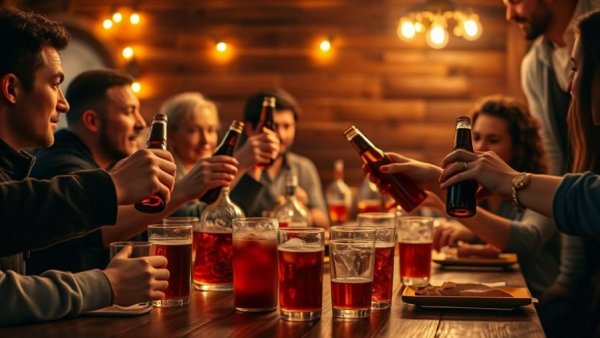
What Popular Alcoholic Drinks Can Mean for Kidney Health: The Study You Need to Read

Update The Hidden Risks of Popular Alcoholic Drinks Imagine enjoying a cold beer or a glass of whiskey, only to discover that these beloved indulgences might be a threat to your kidneys. A recent study highlights that regular consumption of beer and hard liquor is significantly linked to a heightened risk of acute kidney injury (AKI), a condition where the kidneys abruptly stop filtering waste from the blood effectively. Conducted by researchers at Anglia Ruskin University, this 14-year study analyzed health records from over 250,000 participants. It was a battleground of data, revealing that while beer and liquor drinkers faced alarming risks, wine drinkers appeared to be shielded from similar dangers. This insight into drinking habits can be especially relevant for those in Louisiana, a state known for its unique drinking culture that often celebrates social gatherings with alcohol. Who is at Risk? Source: The UK Biobank database provided a wealth of insight into drinking habits. Participants were divided into groups based on their alcohol intake, which was measured in units. For clarity, one unit is equivalent to about half a pint of lower-strength beer or a standard shot of liquor. The findings showed that individuals consuming higher amounts of spirits and beer faced a 25.5% greater risk of developing acute kidney injury compared to light drinkers. Specifically, liquor drinkers who consumed an average of 8.73 units weekly were at a notably increased risk. This finding resonates particularly well among older adults in Louisiana, where drinking culture intermingles with social gatherings. Events such as family reunions, tailgating gatherings, and local celebrations often feature alcohol prominently. It's vital to consider how these regional habits might play a role in health risks, especially as many in this demographic might not be fully aware of the potential dangers associated with their drinking choices. How Alcohol Affects the Kidneys Traditionally, it has been perceived that alcohol damages the kidneys primarily as a secondary effect of damaging the liver. However, this study flips that narrative, suggesting that the inflammatory pathways triggered by beer and spirits directly contribute to kidney damage. Lead researcher Rudolph Schutte emphasizes that such inflammation can escalate to chronic kidney disease and heighten mortality risk. For seniors taking medications or managing chronic conditions, this information could alter how they view their alcohol intake. Recognizing that certain drinks can cause direct harm helps emphasize the importance of discussing these habits with healthcare providers. Awareness is half the battle in managing one’s health effectively. The Wine Paradox: Is It Safe? Interestingly, the study didn’t show a similar risk for wine drinkers, regardless of whether they preferred red or white varieties. This raises intriguing questions: does wine have protective properties for the kidneys? While the study doesn’t provide conclusive proof that wine is safe, it points out that drinking over the UK's recommended limit of 14 units per week led to higher risks across all alcohol types, including wine. For seniors in Louisiana, who might enjoy a glass of wine with meals, this information could be comforting. However, it’s crucial to remember that moderation remains key. Even if wine appears less harmful, indulging excessively can negate any potential benefits and contribute to overall health issues including weight gain and high blood pressure. Emphasizing Moderation Over Prohibition Health experts stress that while the study highlights significant risks for beer and liquor drinkers, it doesn’t mean these beverages should be entirely eliminated from diets. Instead, there is a strong call for moderation and mindfulness about drinking habits. Engaging in lighter drinking patterns, or substituting alcoholic beverages with non-alcoholic options during social events, can be beneficial for the kidneys. The culture of drinking alcohol isn’t going away. Instead, it needs to evolve in a way that emphasizes health and well-being, especially for older adults. Consider opting for lighter options like a refreshing spritzer or a flavored sparkling water at your next gathering. Not only can these choices support kidney health, but they can also enhance hydration, which is essential for overall well-being. Consider the Broader Impact While the research reinforces the need for caution with certain alcoholic beverages, it also serves as a reminder to seniors that health surveillance and awareness can play crucial roles in overall health. It encourages individuals to take ownership of their health by attending routine check-ups, discussing drinking habits with healthcare providers, and seeking support if needed. For many in Louisiana, the idea of discussing drinking habits might feel uncomfortable, especially in a community where sharing drinks is often a bonding experience. Yet, being proactive about health conversations can lead to more informed choices and ultimately better health outcomes. The Takeaway: Make Informed Choices As this research continues to circulate among health circles, it is clear that education and awareness can help many avoid the traps of misunderstanding alcohol consumption and its risks. Conversations around alcohol need to evolve beyond mere prohibition, focusing instead on informed choices that empower individuals to prioritize their health. For those in Louisiana, where the community is often steeped in rich social traditions, this could mean reimagining how gatherings are approached—whether through incorporating more non-alcoholic beverages, responsible drinking, or simply engaging in discussions about health risks associated with alcohol consumption. So, the next time you're enjoying a gathering, think about the drinks you choose. What may seem harmless could hold much deeper implications for your kidney health. Stay informed and make choices that benefit your health today and in the future. Understanding the implications of social habits is crucial. We invite you to explore more about how mindful drinking can contribute to maintaining your health as you age. Together, let’s promote not just longevity, but a quality of life enriched by informed choices.

Golden Years of Louisiana

GoldenYearsLA.com is Louisiana’s trusted online magazine for seniors, offering lifestyle inspiration, health tips, financial guidance, and travel ideas tailored to you.

  • Privacy Policy
  • Terms of Use
  • Advertise
  • Contact Us
  • Menu 5
  • Menu 6
Hours

AVAILABLE M-F 9AM - 5PM CST

Hall Street Media

Hall Street Media is a Louisiana-based media company creating engaging digital publications for lifestyle, health, business, and regional audiences across the Gulf South.

© 2026 Golden Years of Louisiana All Rights Reserved. Hall Street Media, Lafayette, Louisiana 70501 . Contact Us . Terms of Service . Privacy Policy

eyJjb21wYW55IjoiR29sZGVuIFllYXJzIG9mIExvdWlzaWFuYSIsImFkZHJlc3MiOiJIYWxsIFN0cmVldCBNZWRpYSIsImNpdHkiOiJMYWZheWV0dGUiLCJzdGF0ZSI6IkxvdWlzaWFuYSIsInppcCI6IjcwNTAxIiwiZW1haWwiOiJnb2xkZW55ZWFyc2xhQGdtYWlsLmNvbSIsInRvcyI6IlBIQStQSE4wY205dVp6NDhaVzArVjJobGJpQjViM1VnYzJsbmJpMXBiaUIzYVhSb0lIVnpMQ0I1YjNVZ1lYSmxJR2RwZG1sdVp5WnVZbk53T3lCNWIzVnlJSEJsY20xcGMzTnBiMjRnWVc1a0lHTnZibk5sYm5RZ2RHOGdjMlZ1WkNCNWIzVWdaVzFoYVd3Z1lXNWtMMjl5SUZOTlV5QjBaWGgwSUcxbGMzTmhaMlZ6TGlCQ2VTQmphR1ZqYTJsdVp5QjBhR1VnVkdWeWJYTWdZVzVrSUVOdmJtUnBkR2x2Ym5NZ1ltOTRJR0Z1WkNCaWVTQnphV2R1YVc1bklHbHVJSGx2ZFNCaGRYUnZiV0YwYVdOaGJHeDVJR052Ym1acGNtMGdkR2hoZENCNWIzVWdZV05qWlhCMElHRnNiQ0IwWlhKdGN5QnBiaUIwYUdseklHRm5jbVZsYldWdWRDNDhMMlZ0UGp3dmMzUnliMjVuUGp3dmNENEtDanh3UG1oMGRIQnpPaTh2WjI5c1pHVnVlV1ZoY25Oc1lTNWpiMjA4TDNBK0NnbzhjRDRtYm1KemNEczhMM0ErQ2dvOGNENDhjM1J5YjI1blBsTkZVbFpKUTBVOEwzTjBjbTl1Wno0OEwzQStDZ284Y0Q1WFpTQndjbTkyYVdSbElHRWdjMlZ5ZG1salpTQjBhR0YwSUdOMWNuSmxiblJzZVNCaGJHeHZkM01nZVc5MUlIUnZJSEpsWTJWcGRtVWdjbVZ4ZFdWemRITWdabTl5SUdabFpXUmlZV05yTENCamIyMXdZVzU1SUdsdVptOXliV0YwYVc5dUxDQndjbTl0YjNScGIyNWhiQ0JwYm1admNtMWhkR2x2Yml3Z1kyOXRjR0Z1ZVNCaGJHVnlkSE1zSUdOdmRYQnZibk1zSUdScGMyTnZkVzUwY3lCaGJtUWdiM1JvWlhJZ2JtOTBhV1pwWTJGMGFXOXVjeUIwYnlCNWIzVnlJR1Z0WVdsc0lHRmtaSEpsYzNNZ1lXNWtMMjl5SUdObGJHeDFiR0Z5SUhCb2IyNWxJRzl5SUdSbGRtbGpaUzRnV1c5MUlIVnVaR1Z5YzNSaGJtUWdZVzVrSUdGbmNtVmxJSFJvWVhRZ2RHaGxJRk5sY25acFkyVWdhWE1nY0hKdmRtbGtaV1FnSm5GMWIzUTdRVk10U1ZNbWNYVnZkRHNnWVc1a0lIUm9ZWFFnZDJVZ1lYTnpkVzFsSUc1dklISmxjM0J2Ym5OcFltbHNhWFI1SUdadmNpQjBhR1VnZEdsdFpXeHBibVZ6Y3l3Z1pHVnNaWFJwYjI0c0lHMXBjeTFrWld4cGRtVnllU0J2Y2lCbVlXbHNkWEpsSUhSdklITjBiM0psSUdGdWVTQjFjMlZ5SUdOdmJXMTFibWxqWVhScGIyNXpJRzl5SUhCbGNuTnZibUZzYVhwaGRHbHZiaUJ6WlhSMGFXNW5jeTQ4TDNBK0NnbzhjRDVaYjNVZ1lYSmxJSEpsYzNCdmJuTnBZbXhsSUdadmNpQnZZblJoYVc1cGJtY2dZV05qWlhOeklIUnZJSFJvWlNCVFpYSjJhV05sSUdGdVpDQjBhR0YwSUdGalkyVnpjeUJ0WVhrZ2FXNTJiMngyWlNCMGFHbHlaQ0J3WVhKMGVTQm1aV1Z6SUNoemRXTm9JR0Z6SUZOTlV5QjBaWGgwSUcxbGMzTmhaMlZ6TENCSmJuUmxjbTVsZENCelpYSjJhV05sSUhCeWIzWnBaR1Z5SUc5eUlHTmxiR3gxYkdGeUlHRnBjblJwYldVZ1kyaGhjbWRsY3lrdUlGbHZkU0JoY21VZ2NtVnpjRzl1YzJsaWJHVWdabTl5SUhSb2IzTmxJR1psWlhNc0lHbHVZMngxWkdsdVp5QjBhRzl6WlNCbVpXVnpJR0Z6YzI5amFXRjBaV1FnZDJsMGFDQjBhR1VnWkdsemNHeGhlU0J2Y2lCa1pXeHBkbVZ5ZVNCdlppQmxZV05vSUZOTlV5QjBaWGgwSUcxbGMzTmhaMlVnYzJWdWRDQjBieUI1YjNVZ1lua2dkWE11SUVsdUlHRmtaR2wwYVc5dUxDQjViM1VnYlhWemRDQndjbTkyYVdSbElHRnVaQ0JoY21VZ2NtVnpjRzl1YzJsaWJHVWdabTl5SUdGc2JDQmxjWFZwY0cxbGJuUWdibVZqWlhOellYSjVJSFJ2SUdGalkyVnpjeUIwYUdVZ1UyVnlkbWxqWlNCaGJtUWdjbVZqWldsMlpTQjBhR1VnVTAxVElIUmxlSFFnYldWemMyRm5aWE11SUZkbElHUnZJRzV2ZENCamFHRnlaMlVnWVc1NUlHWmxaWE1nWm05eUlHUmxiR2wyWlhKNUlHOW1JR1Z0WVdsc0lHOXlJRk5OVXk0Z1ZHaHBjeUJwY3lCaElHWnlaV1VnYzJWeWRtbGpaU0J3Y205MmFXUmxaQ0JpZVNCMWN5NGdTRzkzWlhabGNpd2djR3hsWVhObElHTm9aV05ySUhkcGRHZ2dlVzkxY2lCcGJuUmxjbTVsZENCelpYSjJhV05sSUhCeWIzWnBaR1Z5SUdGdVpDQmpaV3hzZFd4aGNpQmpZWEp5YVdWeUlHWnZjaUJoYm5rZ1kyaGhjbWRsY3lCMGFHRjBJRzFoZVNCcGJtTjFjaUJoY3lCaElISmxjM1ZzZENCbWNtOXRJSEpsWTJWcGRtbHVaeUJsYldGcGJDQmhibVFnVTAxVElIUmxlSFFnYldWemMyRm5aWE1nZEdoaGRDQjNaU0JrWld4cGRtVnlJSFZ3YjI0Z2VXOTFjaUJ2Y0hRdGFXNGdZVzVrSUhKbFoybHpkSEpoZEdsdmJpQjNhWFJvSUc5MWNpQmxiV0ZwYkNCaGJtUWdVMDFUSUhObGNuWnBZMlZ6TGlCWmIzVWdZMkZ1SUdOaGJtTmxiQ0JoZENCaGJua2dkR2x0WlM0Z1NuVnpkQ0IwWlhoMElDWnhkVzkwTzFOVVQxQW1jWFZ2ZERzZ2RHOG1ibUp6Y0RzOGFHbG5hR3hwWjJoMElHTnNZWE56UFNKamIyMXdZVzU1VTAxVFVHaHZibVZWY0dSaGRHVWlQbTUxYkd3OEwyaHBaMmhzYVdkb2RENHVJRUZtZEdWeUlIbHZkU0J6Wlc1a0lIUm9aU0JUVFZNZ2JXVnpjMkZuWlNBbWNYVnZkRHRUVkU5UUpuRjFiM1E3SUhSdklIVnpMQ0IzWlNCM2FXeHNJSE5sYm1RZ2VXOTFJR0Z1SUZOTlV5QnRaWE56WVdkbElIUnZJR052Ym1acGNtMGdkR2hoZENCNWIzVWdhR0YyWlNCaVpXVnVJSFZ1YzNWaWMyTnlhV0psWkM0Z1FXWjBaWElnZEdocGN5d2dlVzkxSUhkcGJHd2dibThnYkc5dVoyVnlJSEpsWTJWcGRtVWdVMDFUSUcxbGMzTmhaMlZ6SUdaeWIyMGdkWE11UEM5d1Bnb0tQSEErUEhOMGNtOXVaejVaVDFWU0lGSkZSMGxUVkZKQlZFbFBUaUJQUWt4SlIwRlVTVTlPVXp3dmMzUnliMjVuUGp3dmNENEtDanh3UGtsdUlHTnZibk5wWkdWeVlYUnBiMjRnYjJZZ2VXOTFjaUIxYzJVZ2IyWWdkR2hsSUZObGNuWnBZMlVzSUhsdmRTQmhaM0psWlNCMGJ6bzhMM0ErQ2dvOGIydytDZ2s4YkdrK2NISnZkbWxrWlNCMGNuVmxMQ0JoWTJOMWNtRjBaU3dnWTNWeWNtVnVkQ0JoYm1RZ1kyOXRjR3hsZEdVZ2FXNW1iM0p0WVhScGIyNGdZV0p2ZFhRZ2VXOTFjbk5sYkdZZ1lYTWdjSEp2YlhCMFpXUWdZbmtnZEdobElGTmxjblpwWTJVbUl6TTVPM01nY21WbmFYTjBjbUYwYVc5dUlHWnZjbTBnS0hOMVkyZ2dhVzVtYjNKdFlYUnBiMjRnWW1WcGJtY2dkR2hsSUNaeGRXOTBPMUpsWjJsemRISmhkR2x2YmlCRVlYUmhKbkYxYjNRN0tTQmhibVE4TDJ4cFBnb0pQR3hwUG0xaGFXNTBZV2x1SUdGdVpDQndjbTl0Y0hSc2VTQjFjR1JoZEdVZ2RHaGxJRkpsWjJsemRISmhkR2x2YmlCRVlYUmhJSFJ2SUd0bFpYQWdhWFFnZEhKMVpTd2dZV05qZFhKaGRHVXNJR04xY25KbGJuUWdZVzVrSUdOdmJYQnNaWFJsTGlCSlppQjViM1VnY0hKdmRtbGtaU0JoYm5rZ2FXNW1iM0p0WVhScGIyNGdkR2hoZENCcGN5QjFiblJ5ZFdVc0lHbHVZV05qZFhKaGRHVXNJRzV2ZENCamRYSnlaVzUwSUc5eUlHbHVZMjl0Y0d4bGRHVXNJRzl5SUhkbElHaGhkbVVnY21WaGMyOXVZV0pzWlNCbmNtOTFibVJ6SUhSdklITjFjM0JsWTNRZ2RHaGhkQ0J6ZFdOb0lHbHVabTl5YldGMGFXOXVJR2x6SUhWdWRISjFaU3dnYVc1aFkyTjFjbUYwWlN3Z2JtOTBJR04xY25KbGJuUWdiM0lnYVc1amIyMXdiR1YwWlN3Z2QyVWdhR0YyWlNCMGFHVWdjbWxuYUhRZ2RHOGdjM1Z6Y0dWdVpDQnZjaUE4YzNSeWIyNW5Qanh6Y0dGdUlITjBlV3hsUFNKamIyeHZjam9qUmtZd01EQXdPeUkrZEdWeWJXbHVZWFJsSUhsdmRYSWdZV05qYjNWdWRDOXdjbTltYVd4bElHRnVaQ0J5WldaMWMyVWdZVzU1SUdGdVpDQmhiR3dnWTNWeWNtVnVkQ0J2Y2lCbWRYUjFjbVVnZFhObElHOW1JSFJvWlNCVFpYSjJhV05sSUNodmNpQmhibmtnY0c5eWRHbHZiaUIwYUdWeVpXOW1LUzQ4TDNOd1lXNCtQQzl6ZEhKdmJtYytQQzlzYVQ0S1BDOXZiRDRLQ2p4d1BpWnVZbk53T3p3dmNENEtQR2hwWjJoc2FXZG9kQ0JqYkdGemN6MGlZMjl0Y0dGdWVVNWhiV1ZWY0dSaGRHVWlQa2R2YkdSbGJpQlpaV0Z5Y3lCdlppQk1iM1ZwYzJsaGJtRThMMmhwWjJoc2FXZG9kRDQ4WW5JZ0x6NEtQR2hwWjJoc2FXZG9kQ0JqYkdGemN6MGlZMjl0Y0dGdWVVVnRZV2xzVlhCa1lYUmxJajVuYjJ4a1pXNTVaV0Z5YzJ4aFFHZHRZV2xzTG1OdmJUd3ZhR2xuYUd4cFoyaDBQZz09IiwicHJpdmFjeSI6IlBIQStQSE4wY205dVp6NVFVa2xXUVVOWlBDOXpkSEp2Ym1jK1BDOXdQZ29LUEhBK1BITjBjbTl1Wno1VWFHVWdhVzVtYjNKdFlYUnBiMjRnY0hKdmRtbGtaV1FnWkhWeWFXNW5JSFJvYVhNZ2NtVm5hWE4wY21GMGFXOXVJR2x6SUd0bGNIUWdjSEpwZG1GMFpTQmhibVFnWTI5dVptbGtaVzUwYVdGc0xDQmhibVFnZDJsc2JDQnVaWFpsY2lCaVpTQmthWE4wY21saWRYUmxaQ3dnWTI5d2FXVmtMQ0J6YjJ4a0xDQjBjbUZrWldRZ2IzSWdjRzl6ZEdWa0lHbHVJR0Z1ZVNCM1lYa3NJSE5vWVhCbElHOXlJR1p2Y20wdUlGUm9hWE1nYVhNZ2IzVnlJR2QxWVhKaGJuUmxaUzQ4TDNOMGNtOXVaejQ4TDNBK0NnbzhjRDQ4YzNSeWIyNW5Qa2xPUkVWTlRrbFVXVHd2YzNSeWIyNW5Qand2Y0Q0S0NqeHdQanhsYlQ1WmIzVWdZV2R5WldVZ2RHOGdhVzVrWlcxdWFXWjVJR0Z1WkNCb2IyeGtJSFZ6TENCaGJtUWdhWFJ6SUhOMVluTnBaR2xoY21sbGN5d2dZV1ptYVd4cFlYUmxjeXdnYjJabWFXTmxjbk1zSUdGblpXNTBjeXdnWTI4dFluSmhibVJsY25NZ2IzSWdiM1JvWlhJZ2NHRnlkRzVsY25Nc0lHRnVaQ0JsYlhCc2IzbGxaWE1zSUdoaGNtMXNaWE56SUdaeWIyMGdZVzU1SUdOc1lXbHRJRzl5SUdSbGJXRnVaQ3dnYVc1amJIVmthVzVuSUhKbFlYTnZibUZpYkdVZ1lYUjBiM0p1WlhsekppTXpPVHNnWm1WbGN5d2diV0ZrWlNCaWVTQmhibmtnZEdocGNtUWdjR0Z5ZEhrZ1pIVmxJSFJ2SUc5eUlHRnlhWE5wYm1jZ2IzVjBJRzltSUVOdmJuUmxiblFnZVc5MUlISmxZMlZwZG1Vc0lITjFZbTFwZEN3Z2NtVndiSGtzSUhCdmMzUXNJSFJ5WVc1emJXbDBJRzl5SUcxaGEyVWdZWFpoYVd4aFlteGxJSFJvY205MVoyZ2dkR2hsSUZObGNuWnBZMlVzSUhsdmRYSWdkWE5sSUc5bUlIUm9aU0JUWlhKMmFXTmxMQ0I1YjNWeUlHTnZibTVsWTNScGIyNGdkRzhnZEdobElGTmxjblpwWTJVc0lIbHZkWElnZG1sdmJHRjBhVzl1SUc5bUlIUm9aU0JVVDFNc0lHOXlJSGx2ZFhJZ2RtbHZiR0YwYVc5dUlHOW1JR0Z1ZVNCeWFXZG9kSE1nYjJZZ1lXNXZkR2hsY2k0OEwyVnRQand2Y0Q0S0NqeHdQanh6ZEhKdmJtYytSRWxUUTB4QlNVMUZVaUJQUmlCWFFWSlNRVTVVU1VWVFBDOXpkSEp2Ym1jK1BDOXdQZ29LUEhBK1BITjBjbTl1Wno1WlQxVWdSVmhRVWtWVFUweFpJRlZPUkVWU1UxUkJUa1FnUVU1RUlFRkhVa1ZGSUZSSVFWUTZQQzl6ZEhKdmJtYytQQzl3UGdvS1BHOXNQZ29KUEd4cFBsbFBWVklnVlZORklFOUdJRlJJUlNCVFJWSldTVU5GSUVsVElFRlVJRmxQVlZJZ1UwOU1SU0JTU1ZOTExpQlVTRVVnVTBWU1ZrbERSU0JKVXlCUVVrOVdTVVJGUkNCUFRpQkJUaUFtY1hWdmREdEJVeUJKVXlaeGRXOTBPeUJCVGtRZ0puRjFiM1E3UVZNZ1FWWkJTVXhCUWt4RkpuRjFiM1E3SUVKQlUwbFRMaUFzTGlCQlRrUWdWVk1zSUVsVUppTXpPVHRUSUVOVlUxUlBUVVZTVXl3Z1JWaFFVa1ZUVTB4WklFUkpVME5NUVVsTlV5QkJURXdnVjBGU1VrRk9WRWxGVXlCUFJpQkJUbGtnUzBsT1JDd2dWMGhGVkVoRlVpQkZXRkJTUlZOVElFOVNJRWxOVUV4SlJVUXNJRWxPUTB4VlJFbE9SeXdnUWxWVUlFNVBWQ0JNU1UxSlZFVkVJRlJQSUZSSVJTQkpUVkJNU1VWRUlGZEJVbEpCVGxSSlJWTWdUMFlnVFVWU1EwaEJUbFJCUWtsTVNWUlpMQ0JHU1ZST1JWTlRJRVpQVWlCQklGQkJVbFJKUTFWTVFWSWdVRlZTVUU5VFJTQkJUa1FnVGs5T0xVbE9SbEpKVGtkRlRVVk9WQzQ4TDJ4cFBnb0pQR3hwUGsxQlMwVlRJRTVQSUZkQlVsSkJUbFJaSUZSSVFWUWdLR2twSUZSSVJTQlRSVkpXU1VORklGZEpURXdnVFVWRlZDQlpUMVZTSUZKRlVWVkpVa1ZOUlU1VVV5d2dLR2xwS1NCVVNFVWdVMFZTVmtsRFJTQlhTVXhNSUVKRklGVk9TVTVVUlZKU1ZWQlVSVVFzSUZSSlRVVk1XU3dnVTBWRFZWSkZMQ0JQVWlCRlVsSlBVaTFHVWtWRkxDQW9hV2xwS1NCVVNFVWdVa1ZUVlV4VVV5QlVTRUZVSUUxQldTQkNSU0JQUWxSQlNVNUZSQ0JHVWs5TklGUklSU0JWVTBVZ1QwWWdWRWhGSUZORlVsWkpRMFVnVjBsTVRDQkNSU0JCUTBOVlVrRlVSU0JQVWlCU1JVeEpRVUpNUlN3Z1FVNUVJQ2hwZGlrZ1FVNVpJRVZTVWs5U1V5QkpUaUJVU0VVZ1UwOUdWRmRCVWtVZ1YwbE1UQ0JDUlNCRFQxSlNSVU5VUlVRdVBDOXNhVDRLQ1R4c2FUNUJUbGtnVFVGVVJWSkpRVXdnUkU5WFRreFBRVVJGUkNCUFVpQlBWRWhGVWxkSlUwVWdUMEpVUVVsT1JVUWdWRWhTVDFWSFNDQlVTRVVnVlZORklFOUdJRlJJUlNCVFJWSldTVU5GSUVsVElFUlBUa1VnUVZRZ1dVOVZVaUJQVjA0Z1JFbFRRMUpGVkVsUFRpQkJUa1FnVWtsVFN5QkJUa1FnVkVoQlZDQlpUMVVnVjBsTVRDQkNSU0JUVDB4RlRGa2dVa1ZUVUU5T1UwbENURVVnUms5U0lFRk9XU0JFUVUxQlIwVWdWRThnV1U5VlVpQkRUMDFRVlZSRlVpQlRXVk5VUlUwZ1QxSWdURTlUVXlCUFJpQkVRVlJCSUZSSVFWUWdVa1ZUVlV4VVV5QkdVazlOSUZSSVJTQkVUMWRPVEU5QlJDQlBSaUJCVGxrZ1UxVkRTQ0JOUVZSRlVrbEJUQzQ4TDJ4cFBnb0pQR3hwUGs1UElFRkVWa2xEUlNCUFVpQkpUa1pQVWsxQlZFbFBUaXdnVjBoRlZFaEZVaUJQVWtGTUlFOVNJRmRTU1ZSVVJVNHNJRTlDVkVGSlRrVkVJRUpaSUZsUFZTQkdVazlOSUU5U0lGUklVazlWUjBnZ1QxSWdSbEpQVFNCVVNFVWdVMFZTVmtsRFJTQlRTRUZNVENCRFVrVkJWRVVnUVU1WklGZEJVbEpCVGxSWklFNVBWQ0JGV0ZCU1JWTlRURmtnVTFSQlZFVkVJRWxPSUZSSVJTQlVUMU11UEM5c2FUNEtQQzl2YkQ0S0NqeHdQanh6ZEhKdmJtYytURWxOU1ZSQlZFbFBUaUJQUmlCTVNVRkNTVXhKVkZrOEwzTjBjbTl1Wno0OEwzQStDZ284Y0Q1WlQxVWdSVmhRVWtWVFUweFpJRlZPUkVWU1UxUkJUa1FnUVU1RUlFRkhVa1ZGSUZSSVFWUWdRVTVFSUZOSVFVeE1JRTVQVkNCQ1JTQk1TVUZDVEVVZ1JrOVNJRUZPV1NCRVNWSkZRMVFzSUVsT1JFbFNSVU5VTENCSlRrTkpSRVZPVkVGTUxDQlRVRVZEU1VGTUxDQkRUMDVUUlZGVlJVNVVTVUZNSUU5U0lFVllSVTFRVEVGU1dTQkVRVTFCUjBWVExDQkpUa05NVlVSSlRrY2dRbFZVSUU1UFZDQk1TVTFKVkVWRUlGUlBMQ0JFUVUxQlIwVlRJRVpQVWlCTVQxTlRJRTlHSUZCU1QwWkpWRk1zSUVkUFQwUlhTVXhNTENCVlUwVXNJRVJCVkVFZ1QxSWdUMVJJUlZJZ1NVNVVRVTVIU1VKTVJTQk1UMU5UUlZNZ0tFVldSVTRnU1VZZ1NFRlRJRUpGUlU0Z1FVUldTVk5GUkNCUFJpQlVTRVVnVUU5VFUwbENTVXhKVkZrZ1QwWWdVMVZEU0NCRVFVMUJSMFZUS1N3Z1VrVlRWVXhVU1U1SElFWlNUMDA2UEM5d1Bnb0tQRzlzUGdvSlBHeHBQbFJJUlNCVlUwVWdUMUlnVkVoRklFbE9RVUpKVEVsVVdTQlVUeUJWVTBVZ1ZFaEZJRk5GVWxaSlEwVTdQQzlzYVQ0S0NUeHNhVDVVU0VVZ1EwOVRWQ0JQUmlCUVVrOURWVkpGVFVWT1ZDQlBSaUJUVlVKVFZFbFVWVlJGSUVkUFQwUlRJRUZPUkNCVFJWSldTVU5GVXlCU1JWTlZURlJKVGtjZ1JsSlBUU0JCVGxrZ1IwOVBSRk1zSUVSQlZFRXNJRWxPUms5U1RVRlVTVTlPSUU5U0lGTkZVbFpKUTBWVElGQlZVa05JUVZORlJDQlBVaUJQUWxSQlNVNUZSQ0JQVWlCTlJWTlRRVWRGVXlCU1JVTkZTVlpGUkNCUFVpQlVVa0ZPVTBGRFZFbFBUbE1nUlU1VVJWSkZSQ0JKVGxSUElGUklVazlWUjBnZ1QxSWdSbEpQVFNCVVNFVWdVMFZTVmtsRFJUczhMMnhwUGdvSlBHeHBQbFZPUVZWVVNFOVNTVnBGUkNCQlEwTkZVMU1nVkU4Z1QxSWdRVXhVUlZKQlZFbFBUaUJQUmlCWlQxVlNJRlJTUVU1VFRVbFRVMGxQVGxNZ1QxSWdSRUZVUVRzOEwyeHBQZ29KUEd4cFBsTlVRVlJGVFVWT1ZGTWdUMUlnUTA5T1JGVkRWQ0JQUmlCQlRsa2dWRWhKVWtRZ1VFRlNWRmtnVDA0Z1ZFaEZJRk5GVWxaSlEwVTdJRTlTUEM5c2FUNEtDVHhzYVQ1QlRsa2dUMVJJUlZJZ1RVRlVWRVZTSUZKRlRFRlVTVTVISUZSUElGUklSU0JUUlZKV1NVTkZMand2YkdrK0Nqd3ZiMncrQ2dvOGNENDhkVDVDZVNCeVpXZHBjM1JsY21sdVp5QmhibVFnYzNWaWMyTnlhV0pwYm1jZ2RHOGdiM1Z5SUdWdFlXbHNJR0Z1WkNCVFRWTWdjMlZ5ZG1salpTd2dZbmtnYjNCMExXbHVMQ0J2Ym14cGJtVWdjbVZuYVhOMGNtRjBhVzl1SUc5eUlHSjVJR1pwYkd4cGJtY2diM1YwSUdFZ1kyRnlaQ3dnSm5GMWIzUTdlVzkxSUdGbmNtVmxJSFJ2SUhSb1pYTmxJRlJGVWsxVElFOUdJRk5GVWxaSlEwVW1jWFZ2ZERzZ1lXNWtJSGx2ZFNCaFkydHViM2RzWldSblpTQmhibVFnZFc1a1pYSnpkR0Z1WkNCMGFHVWdZV0p2ZG1VZ2RHVnliWE1nYjJZZ2MyVnlkbWxqWlNCdmRYUnNhVzVsWkNCaGJtUWdaR1YwWVdsc1pXUWdabTl5SUhsdmRTQjBiMlJoZVM0OEwzVStQQzl3UGdvS1BIQStKbTVpYzNBN1BDOXdQZ284YUdsbmFHeHBaMmgwSUdOc1lYTnpQU0pqYjIxd1lXNTVUbUZ0WlZWd1pHRjBaU0krUjI5c1pHVnVJRmxsWVhKeklHOW1JRXh2ZFdsemFXRnVZVHd2YUdsbmFHeHBaMmgwUGp4aWNpQXZQZ284YUdsbmFHeHBaMmgwSUdOc1lYTnpQU0pqYjIxd1lXNTVRV1JrY21WemMxVndaR0YwWlNJK1NHRnNiQ0JUZEhKbFpYUWdUV1ZrYVdFc0lFeGhabUY1WlhSMFpTd2dURzkxYVhOcFlXNWhJRGN3TlRBeFBDOW9hV2RvYkdsbmFIUStQR0p5SUM4K0NqeG9hV2RvYkdsbmFIUWdZMnhoYzNNOUltTnZiWEJoYm5sUWFHOXVaVlZ3WkdGMFpTSStLekV6TXpjeU9EZzBOalkxUEM5b2FXZG9iR2xuYUhRK1BHSnlJQzgrQ2p4b2FXZG9iR2xuYUhRZ1kyeGhjM005SW1OdmJYQmhibmxGYldGcGJGVndaR0YwWlNJK1oyOXNaR1Z1ZVdWaGNuTnNZVUJuYldGcGJDNWpiMjA4TDJocFoyaHNhV2RvZEQ0PSJ9

Terms of Service

Privacy Policy

Core Modal Title

Sorry, no results found

You Might Find These Articles Interesting

T
Please Check Your Email
We Will Be Following Up Shortly
*
*
*