Add Row
Add Element
Add Element
UPDATE
Add Element
  • update
  • update
  • update
  • update
  • update
  • update
  • update
  • Home
  • Categories
    • Health
    • Money
    • Lifestyle
    • Travel
    • Entertainment
    • Louisiana News
    • Jobs and Careers
    • Featured
June 25.2025
3 Minutes Read

Bridge Closures in Terrebonne Parish: What Residents Need to Know

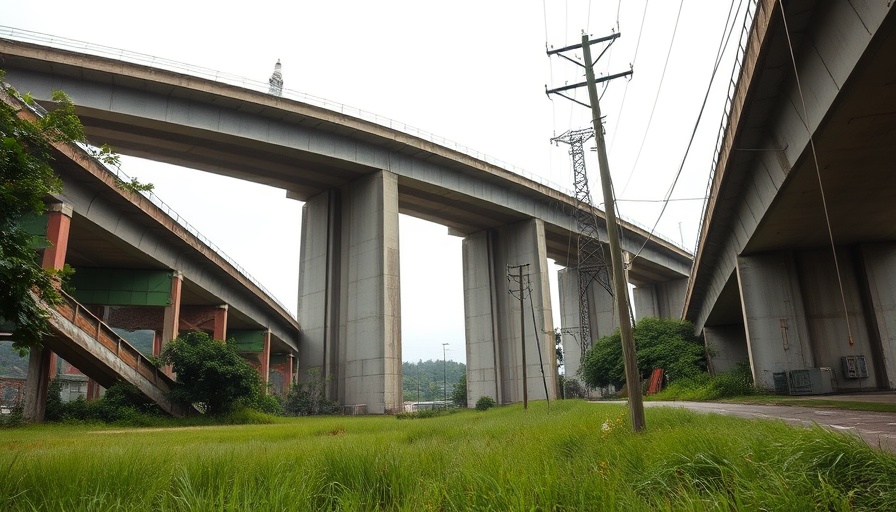
Concrete bridge and grassy field in Terrebonne Parish.

Bridge Closures Lead to Community Concerns

In Terrebonne Parish, a challenging transportation landscape is present, with eight critical bridges now closed. This situation is not only complicating daily commutes but igniting a wave of frustration among residents. James Price, a local resident, recalled the Daigleville Bridge at the intersection of Grand Caillou Road and E. Main Street being out of service for months, highlighting the persistence of this issue. The closures are at a crucial time, raising concerns about emergency response times and evacuations during hurricane season.

Impact on Emergency Services and Evacuations

The closures of these bridges pose significant risks to emergency services. In a region prone to hurricanes, rapid evacuation is vital. Residents worry that delays in emergency response could lead to devastating outcomes during crises. Local leaders and authorities are vocal about their concerns over the potential increased response time for police, fire, and medical assistance. The current situation not only inconveniences travel but could also jeopardize lives when every moment counts.

Community Voices: Frustration and Urgency

Terrebonne Parish residents are expressing their annoyance and desperation over the growing list of closed bridges. In addition to the Daigleville Bridge, several others—like the Placid Bridge and the La. 659 Bridge—continue to hinder everyday activities, from getting to work to running errands. Many local community members, especially those aged 55 and older, feel disconnected from vital services and resources. "It feels like we are under siege every time we try to get across town," noted one frustrated resident. The local government has promised updates, but residents long for immediate answers and actions.

Historical Context: Infrastructure Maintenance Challenges

Bridge maintenance has been an ongoing issue throughout Louisiana, particularly in coastal areas facing unique environmental challenges. The state's infrastructure struggles to keep pace with the demands placed on it by an aging population and frequent natural disasters. In reflecting on the current closures, we must recognize a history of neglect that speaks to broader systemic issues within road and bridge management. Increasing funding aimed at repairing existing structures is essential, yet these concerns often fall behind more pressing state expenditures.

The Economic Implications of Connectivity

The ongoing closures also carry economic consequences. Businesses are facing potential decreased traffic and accessibility issues. For those in retail and service industries, each moment that the roads remain closed equates to lost customers. The economic ripple effects extend beyond local businesses, impacting everything from tourism to delivery services, prompting discussions about how to best fund infrastructure improvements for long-term solutions.

Local Governments Respond: Plans for Recovery

Local officials are aware of the gravity of the situation and are seeking solutions. Discussions surround grant funding opportunities and state assistance for reparative efforts. Some leaders have started advocating for a temporary traffic rerouting plan and improving communication with residents about alternative routes. Nevertheless, the immediate logistical challenges must be met with a growing urgency as seasonal storms approach. Local officials must balance between short-term fixes and long-term sustainability improvements that address foundational issues in the region.

Moving Forward: Community Engagement and Action

As Terrebonne Parish grapples with these infrastructure challenges, it is crucial for residents to stay engaged. Attend local government meetings, and voice opinions regarding necessary changes. By participating actively in community discussions, individuals can influence how local infrastructure issues are prioritized and addressed. Staying informed about updates from local officials will enhance understanding and preparedness in these turbulent times.

In conclusion, the bridge closures in Terrebonne Parish are not merely inconveniences; they represent a broader issue with implications for safety, economics, and community cohesion. Addressing these concerns is vital for ensuring that the residents can navigate both their daily lives and emergencies with confidence.

Louisiana News

5 Views

Write A Comment

*
*
Related Posts All Posts
02.21.2026

Barry Manilow Postpones Concerts Again: What His Journey Means for Seniors

Update Barry Manilow's Journey: A Setback in Recovery Barry Manilow, the beloved Grammy-winning artist, has made the difficult decision to postpone more of his concert dates, a move that speaks volumes about the challenges many seniors face regarding health and recovery. At 82 years old, after undergoing lung surgery to remove a malignant spot, Manilow shared on social media that while he mentally yearned to return to performing, his body was not yet ready. His adventure has resonated with many in Louisiana, especially those aged 55 and older, reflecting their own struggles and journeys with health. The Reality of Health Challenges in Aging For seniors, understanding their body's signals is vital. Manilow's experience underlines a universal theme: the struggle between aspiration and reality as our bodies change with age. After his doctor advised him against performing a 90-minute set due to lung recovery, he expressed both disappointment and acceptance. “Deep down, I wanted to go back - but my body knew what my heart didn’t want to admit: I wasn’t ready,” he wrote, echoing sentiments likely felt by many facing similar health hurdles. Understanding Cancer Recovery Manilow's journey started after he discovered a cancerous spot during treatment for bronchitis. His proactive medical approach is an important reminder for seniors to advocate for their health. Early detection can significantly change outcomes, as evidenced by Barry's stage one cancer diagnosis that required no chemotherapy, showcasing the importance of regular medical checkups. In a community known for its resilience, Barry’s experience encourages those in Louisiana to prioritize their health screenings in hopes of catching issues early. Maintaining Positivity Amidst Setbacks Even as he faced this setback, Manilow remained optimistic about returning to the stage. Sharing his frustration and commitment on Instagram, he reassured fans that he would eventually resume performing, stating, “But when I do come back, I will COME BACK!!!” This positive attitude resonates deeply, teaching listeners that facing health issues should never belittle the potential for recovery and joy in life. Social Connections: The importance of Community Support Manilow's heartfelt communication with his fans isn’t just about music; it speaks to an essential aspect of life for older adults—the need for connection and support. The community's outpouring of love and encouragement for Barrys is a reminder that, particularly during times of illness, social networks can offer immeasurable emotional support. In Louisiana's close-knit communities, where many share similar experiences, fostering connections can alleviate loneliness, uplift spirits, and promote healing. Future Predictions: The Silver Lining of Recovery As Barry Manilow prepares to rest and recuperate, he has expressed a potential return for shows scheduled in Las Vegas at the end of March. This optimism reflects broader trends in health recovery, emphasizing the resilience many seniors exhibit. For those watching his journey, such hopeful prospects inspire faith in healing and encourage maintaining active lifestyles whenever possible. There’s hope that with the right care, seniors in Louisiana can face similar challenges with strength and optimism. Final Thoughts: Embracing Every Step in the Journey Barry Manilow’s experience teaches valuable lessons on health awareness, the importance of listening to one’s body, and the value of community support. His path reaffirms the ongoing journey of recovery, particularly emphasizing that it’s never too late to seek help, focus on wellness, and foster connections with those around us. As Manilow takes his time to heal, we are reminded of our own resilience and the importance of taking steps towards a healthier and more engaged life. As we navigate our golden years, let us take a leaf out of Manilow's book: prioritize health, listen to our bodies, and remain hopeful for what is ahead. If you or someone you know is grappling with similar challenges, reach out to local support groups or healthcare providers who can offer help and guidance. Remember, you’re not alone on this journey. Knowing you have a community of support makes all the difference!

02.21.2026

LaPlace Drug Deal Turns Deadly: Understanding the Community Impact

Update A Shocking Incident: The LaPlace Drug Deal ShootoutIn a tragic culmination of events in LaPlace, Louisiana, a seemingly routine drug deal erupted into violence, resulting in a deadly shootout and a car crashing into a home. Such criminal activities not only highlight the risks involved in illicit drug transactions but also create waves of fear and distress within the community.Understanding the Incident: What Happened?Reports indicate that the chaotic affair unfolded as two men attempted a drug transaction. This situation escalated when gunfire erupted, leading to an unfortunate loss of life and the destruction of property. The aftermath left one person dead and another severely injured, illustrating the destructive impact of drug-related violence on families and neighborhoods. In particular, the elderly population, often those who have lived in the area for generations, are left shaken by such incidents that disrupt their sense of safety and community.The Broader Context: Drug Violence in LouisianaThis incident is not an isolated event. Louisiana has witnessed an increase in drug-related violence over the years, inviting scrutiny from law enforcement and prompting discussions about preventive measures. Communities are now seeking ways to address the root causes of these conflicts, which can often be traced back to poverty and lack of opportunity. For older adults who may have experienced more stable times in their youth, seeing their neighborhoods transformed by violence is both frightening and disheartening.The Role of Community and Support StructuresAs LaPlace grapples with the fallout from this shooting, community leaders are emphasizing the importance of offering support and strengthening local resources for both youth and seniors. Initiatives aimed at improving job opportunities and recreational activities for young people can help steer them away from drugs and crime. Additionally, establishing safe spaces for dialogue within the community fosters a supportive environment where residents can address their fears and unify against crime.How Seniors Are AffectedFor the older population, the implications of crime extend beyond personal safety—it affects their quality of life. Many feel trapped by concerns about their safety, leading to isolation. It's vital for local leaders to understand the unique challenges faced by seniors, who may have mobility issues or health concerns that prevent them from accessing community services or participating in neighborhood initiatives. Emphasizing outreach programs that cater specifically to this demographic is essential in ensuring they feel secure and engaged.A Call to Action: What Can You Do?In light of the violence and its impact on the community, it's crucial for residents, especially seniors, to get involved. Attend community meetings, engage with local law enforcement to voice concerns, and support initiatives that aim to create safer environments. The voices of older adults hold immense power; advocating for change not just for their own well-being but for the greater community will help foster a collective effort towards preventing such tragedies in the future.Reflecting on the Future: Breaking the CycleAs discussions continue surrounding the LaPlace shooting and its implications, there is hope that the community can band together to break the cycle of violence. Building stronger foundations for economic development and engaging youth in positive activities can lead to meaningful change. For seniors, knowing they are active participants in restoring safety can provide a renewed sense of purpose and agency.In this ongoing dialogue, let us remember that crime does not just affect the immediate victims—it reverberates through families and communities, especially affecting those most vulnerable, like seniors. Together, as advocates and community members, we must strive to transform LaPlace into a place of safety and hope for all.

02.21.2026

Louisiana's Ten Commandments Law: What It Means for Schools and Seniors

Update Understanding the Louisiana Ten Commandments Law: A New Era for Public SchoolsIn a significant turn of events, a recent ruling by the 5th U.S. Circuit Court of Appeals has allowed Louisiana to enforce a law requiring public schools to display the Ten Commandments. This latest decision comes after a long-standing debate over the legal implications and ethical considerations surrounding religious expressions in educational settings. As Louisiana residents, particularly those aged 55 and older, navigate these changes, it's essential to understand the potential impacts of this law on students, educators, and the larger community.The Path to Enforcement: Major Court RulingThe appeals court's ruling effectively lifts a previous injunction that had blocked the implementation of the law, allowing classrooms throughout Louisiana to post posters of the Ten Commandments. The law, enacted in 2024, faced scrutiny as it was deemed unconstitutional by a lower court, which argued it might violate students' rights to religious freedom. However, the recent ruling emphasized the need for more detailed information before determining its constitutionality. This precarious balance highlights the ongoing tensions between religious expression and the principle of church-state separation.Why This Law Matters: Understanding Its SignificanceThe Ten Commandments, long considered foundational to both religious and legal traditions in the U.S., have become a symbol of broader cultural discussions regarding the role of religion in public life. Louisiana Attorney General Liz Murrill supports the law, framing it as a basic moral guideline that should not be contentious. Opponents, including various civil liberties groups, have voiced concerns that such displays may infringe upon the educational freedom of children from diverse religious backgrounds. This debate not only reflects differing beliefs but also raises crucial questions about the nature of morality and its teaching in schools.A Historical Perspective: Religion in EducationHistorically, the interaction between religion and education has been contentious. In landmark cases during the 1980s, such as the Supreme Court’s decision in Stone v. Graham, laws mandating the display of the Ten Commandments in schools were deemed unconstitutional due to the violation of the First Amendment. Critics argue that the current legislative push represents a step backward, as it resurrects debates settled decades ago. As older adults in Louisiana consider the implications, it’s essential to reflect on this historical context and its lessons for today’s generation.What This Means for Louisiana’s StudentsThe ruling's implementation invites scrutiny: how prominently will the Ten Commandments be displayed, and will they be integrated into the curriculum? Judge James L. Dennis, who dissented from the ruling, warned that such practices risk exposing students to government-sponsored religion in schools—a place where attendance is mandatory. This presents an ethical dilemma for educators and administrators: balancing upholding the law with respecting a diverse student body’s beliefs.Future Ramifications: Where Do We Go From Here?As the state embarks on implementing this law, several questions linger unanswered. Will the displays be mere decor, or will educators actively engage with the content in lesson plans? How will schools ensure that the presence of the Ten Commandments does not compromise the educational experience for students from various religious backgrounds? Public opinion remains divided, and future legal challenges are expected, potentially paving the way for a Supreme Court hearing as families and advocacy groups push back against this legislation.Getting Involved: How You Can Help Shape the DiscussionFor Louisiana’s seniors, familiarizing themselves with this law and its implications can provide a critical opportunity for advocacy. Engaging in local community discussions or reaching out to representatives can influence how educational policies reflect the values of Louisiana's diverse population. Understanding the importance of maintaining a secular educational environment while respecting religious traditions is vital to ensuring freedom of choice in education.With the landscape of public education in Louisiana shifting, now is an opportune moment for older adults to take an active role in shaping the conversation surrounding education and religion. Stay informed, share your views, and participate in local forums to allow your voice to resonate in the hearts of lawmakers.

Terms of Service

Privacy Policy

Core Modal Title

Sorry, no results found

You Might Find These Articles Interesting

T
Please Check Your Email
We Will Be Following Up Shortly
*
*
*