• Home
  • Categories
    • Health
    • Money
    • Lifestyle
    • Travel
    • Entertainment
    • Louisiana News
    • Jobs and Careers
    • Featured
September 18.2026
4 Minutes Read

Blind Missouri Woman and Her New Blind Dog: A Story of Unseen Love

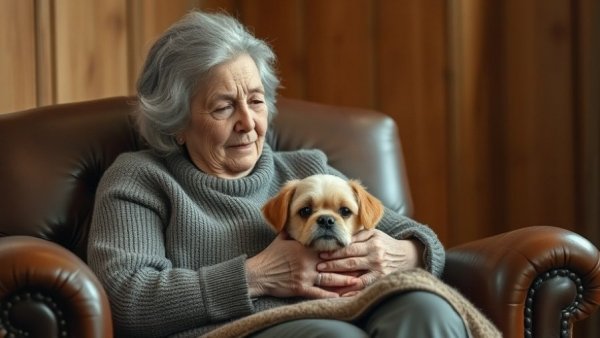
Blind dog adoption stories featuring an elderly woman lovingly holding a dog.

The Heartwarming Bond Between Two Souls

In a community filled with stories of resilience and love, the tale of a blind Missouri woman who found companionship in a blind dog brings light to the transformative power of connection. This extraordinary bond showcases how, in moments of darkness, individuals can shine a light of hope for one another. Their story emphasizes that connections formed in life’s struggles can lead to profound joy and fulfillment.

Overcoming Challenges Together

For many seniors, adopting a pet can be both a challenge and a blessing. However, for our inspiring subject in Missouri, losing her vision created a unique need for companionship that she sought to fill. Enter the blind dog she rescued—a gentle creature that, like her owner, navigates the world differently but shares the same struggles. This shared experience not only fosters empathy but also creates a unique bond that may not be found in other human-animal relationships. Many older adults often experience feelings of isolation and alienation after significant changes in their lives, like the loss of independence due to health issues. In this case, the bond formed over shared challenges speaks to the healing power of having a companion who truly understands the intricacies of navigating life without sight.

The Joys and Lessons of Adoption

Adopting a pet can bring undeniable joy, especially for those in their golden years looking for companionship. Numerous studies from reputable sources indicate that pet ownership provides various mental health benefits, such as reducing feelings of loneliness and increasing opportunities for socialization. As older adults engage in conversations about their pets, they often find connections with others who share similar experiences, fostering community ties. In this case, the blind woman’s decision to adopt a dog mirrors a growing trend among seniors opting for companionship through animal adoption, which is both therapeutic and rewarding. Furthermore, caring for a pet can instill a greater sense of responsibility and purpose in one's daily life, motivating individuals to remain active and engaged.

How Companionship Enriches Lives

Companionship isn’t just a luxury; for many older adults living alone, it is a necessity. Pets offer unconditional love and loyalty, enhancing the quality of life for their owners. The profound connection between this woman and her dog—both navigating life without sight—illustrates how understanding and shared experiences can significantly strengthen relationships. In fact, studies suggest that pet ownership can lead to lower blood pressure, reduced stress levels, and fewer symptoms of depression. For seniors, these benefits can be life-changing, enabling them to lead happier, healthier lives.

Inspiring Others: The Ripple Effect

This touching story not only highlights the individual journey of a woman and her furry companion but also inspires others in the community. By sharing their experience, they encourage others who might feel a sense of isolation or struggle to seek companionship in similar ways. Their bond becomes a beacon of hope, reminding those facing challenges that they are not alone. As their story circulates, it serves as a reminder of the great potential that lies in shared challenges and connections, encouraging seniors to explore the benefits of pet adoption as a meaningful way to enrich their lives.

Future of Pet Adoption Among Seniors

The trend of seniors adopting pets, especially those with special needs, has been gaining attention in recent years. According to the Humane Society, there’s an increasing number of senior citizens looking to provide loving homes for animals just like this blind dog. This increasing interest speaks volumes about the compassion present within older generations. As awareness grows, so does the importance of ensuring resources and support systems are available for both seniors and their pets. Local organizations can play a crucial role in facilitating this, providing education on how to care for pets, especially those with specific needs, which can help alleviate potential hesitations that seniors may have regarding pet ownership.

Community Connection and Supporting Adoption

This beautiful union can inspire locals in Louisiana to consider pet adoption as a viable source of companionship. Local shelters and community programs can help facilitate this process, offering options and consultations tailored to seniors. Additionally, by advocating for pet adoption, we can create communities that embrace both the well-being of animals and the fulfillment of seniors seeking companionship. Such initiatives can also include support groups for pet owners, where seniors can share tips, experiences, and share advice on the special joys and challenges pets bring into their lives.

As our featured story illustrates, sometimes love finds you in the most unexpected forms and can beautifully transform lives. So let’s foster connections that uplift—not just for ourselves but for our furry friends too. The results of such companionships ripple throughout the community, enhancing not just individual lives, but enriching the fabric of our society as a whole.

Consider visiting your local shelter this week to learn about adoption opportunities. Share the joy that a pet can bring not only to your life but also to the life of a deserving animal. Whether you are looking to adopt a puppy, a kitten, or perhaps a senior pet ready for a loving home, the rewards are immeasurable. So step into your local shelter today and discover the potential joy that awaits you and a new furry friend.

Louisiana News

3 Views

Write A Comment

*
*
Please complete the captcha to submit your comment.
Related Posts All Posts
11.03.2026

Trump's Supreme Court Appeal Could Affect Mail-In Voting Rights for Seniors

Update Understanding the Challenges of California’s Mail Ballots The Trump administration’s recent appeal to the Supreme Court regarding California’s mail ballots highlights complex issues surrounding voting processes in the U.S. It’s not just about numbers; it’s about the rights of citizens and ensuring that everyone has their voice heard in our democracy. As the government seeks to sideline approximately 20,000 mail ballots, questions arise about the implications for voters, especially seniors who may rely on mail-in voting. The stakes are high, and the effects may ripple through various demographic groups, highlighting the intersection of law, rights, and personal agency. For many, this isn’t a mere legal dispute—it's about fairness, access, and equity in participating in the democratic process. Why Mail-In Voting Matters for Seniors For many seniors, voting by mail is not merely a convenience but a lifeline. Physical mobility issues often hinder their ability to make it to polling places, especially during tumultuous weather or health concerns. As many seniors have experienced, travel can become difficult due to health complications, making local polling places seem inaccessible. Over the years, many seniors have embraced mail-in ballots as a safe and efficient way to participate in democracy. This trend has only intensified during recent events, like the COVID-19 pandemic, which highlighted the need for safe voting options. Thus, the outcomes of this litigation could significantly affect their engagement in upcoming elections. The Broader Impacts of Disputed Votes According to various reports, the administration's decision to challenge mail ballots stems from concerns about election security and integrity. Yet, experts argue that sidelining legitimate ballots could disenfranchise many voters, undermining their right to vote. A study by the National Academy of Sciences highlights that fewer than 1 in 1,000 mail ballots are fraudulent. Critics of the administration's move point out that the focus should instead be on improving voting infrastructure, combating misinformation, and enhancing security measures rather than on invalidating votes that represent the will of the people. If the administration successfully sets aside these disputed ballots, it could set a precedent threatening the voting rights of not just Californians, but seniors across the nation. Many older adults rely heavily on mail-in ballots; they offer a means to circumvent the physical challenges posed by traditional voting methods. In states like California, where mail-in voting has become increasingly prevalent, establishing barriers to this process could disillusion seniors from exercising their rights. Responses to these challenges need to be balanced with the overarching commitment to fair electoral processes. Potential Consequences: A Path Forward The ultimate ruling by the Supreme Court could redefine how states implement mail-in voting procedures. As Louisianans face similar challenges, it’s important to understand how this ruling could influence voting access in our state. Would Louisiana’s mail ballots face similar scrutiny? Looking at past instances where voting laws have been challenged or changed, it's evident that decisions made at the federal level often reverberate down to state practices. This could affect not only the mechanisms of voting but also overall voter turnout—especially for communities disproportionately affected by these changes. Engagement and Advocacy: Next Steps for Seniors In light of these developments, it’s crucial for seniors in Louisiana to stay informed about their voting rights and consider being advocates for accessible voting. This means not only understanding the legal ramifications of ongoing lawsuits but also actively participating in shaping local policies where they can. Joining local organizations focusing on voter rights and participating in community discussions can empower older adults to take initiative and ensure their voices are heard—not just in California but in their own backyard as well. Furthermore, engaging with local representatives to express support for legislation that promotes voting rights can be instrumental. Elected officials are more likely to heed the concerns of their constituents, particularly older adults who have unique challenges when it comes to voting. Building alliances with other voters can bolster the call for more inclusive voting methods and comprehensive policies that support accessibility. The Personal Stories Behind the Ballots This situation emphasizes the importance of understanding not just the mechanics of voting but the human stories behind each ballot. Every vote represents not just a statistic but an individual, a voice, and a meaningful contribution to our society. Many seniors have stories of their first votes, generations of participation, or the significant issues at stake that matter deeply to them. These narratives are invaluable—they remind us that voting is not only a right but a cherished responsibility that connects people across generations. Linda Thompson encourages seniors to connect with community resources that help clarify voting processes and rights. Staying engaged and informed is not just beneficial; it's necessary to ensure their voices resonate through our democracy. The political landscape is constantly evolving, and so are the avenues for engagement. By fostering dialogue, advocating for fair practices, and prioritizing education on voting rights, seniors can contribute to a more just electoral process. It is vital that every voice—especially those representing the older generation—is heard and honored in our democracy. As we navigate this complex issue, let’s not forget that the outcomes of such legal battles extend beyond state borders; they can influence voting rights and accessibility for all of us. Together, through vigilance and advocacy, we can ensure that our collective voices resonate for years to come.

11.03.2026

Discover How a Notorious Pirate Connected to New York Beach History

Update The Hidden Stories Behind Jones Beach In the realm of coastal lore, few stories capture the imagination like that of the notorious pirate Charles Gibbs and his connection to Jones Beach, New York. According to amateur historian Jerry Taddy, whom we delve into here, understanding our history enriches our present. In his investigation, Taddy discovered that Gibbs, implicated in numerous crimes, has been tied to the origins of the picturesque beach, often frequented by families in search of sun-soaked shores. This connection might be surprising to those enjoying leisure time on the beach, as it reveals the intricate tapestry of stories that make up our histories. A Shocking Revelation Taddy's research unearthed claims that Gibbs may have contributed to the infamous heist of Robert Aitken, a wealthy merchant. This theory gives new color to the beach's name and its establishment, sparking intrigue and fascination among locals and tourists alike. Aitken, known for his successful trading ventures, was a recognizable figure during his time; his misfortunes connect directly to the vibrant history the beach holds today. Taddy's findings not only shine a light on a notable criminal figure but also serve as a reminder of the colorful past that accompanies many American landmarks. In today's world, where history often feels distant, Taddy's work serves as a time machine, drawing connections from the past that resonate with our present. Not Just a Beach Day Many seniors, including those from Louisiana who flock to Jones Beach, often find themselves yearning for more than just a beautiful day by the ocean. A deeper connection to the history surrounding these landscapes can enrich their experience immensely. Knowing the tales of pirates who may have roamed these very sands gives meaning beyond sunbathing—a reflection on human resilience, adventure, and sometimes, a taste for danger. Often, beachgoers take for granted the spaces they occupy; understanding the historical events that transpired there can evoke a greater appreciation for our heritage. Why This Matters From a Community Perspective The allure of pirates, particularly in our coastal towns, draws parallels to the allure of community stories. Just as Taddy sheds light on the past, seniors are reminded that their contributions shape the communities they inhabit. Whether through family traditions, preservation of local artifacts, or recounting personal stories, older adults hold vital knowledge that can bridge the gap between generations. Encouraging an understanding of local history nurtures pride and fosters connections among generations. Communities thrive when younger members recognize and value the insights provided by their elders, building a stronger, integrated society. Interesting Facts About Piracy The history of piracy is not just an adventure story but also a reflection of its time and its experiences. For seniors interested in these tales, the life of a pirate was often fraught with danger but also brimming with camaraderie. Notably, piracy has enabled a wide-ranging discourse on morality, authority, and freedom—issues as relevant now as they were hundreds of years ago. Understanding these multifaceted themes arms readers with the ability to digest contemporary issues through a historical lens. The camaraderie among pirate crews provides an intriguing metaphor for how communities can support one another through difficult times, a lesson many can appreciate, especially in challenging economic climates. Connections to Current Events Today, reflecting on local histories allows seniors to engage with issues such as economic security, healthcare, and community connections. For example, as the trend of maritime tourism grows along with interest in local stories, understanding these local legends may enhance tourism and encourage beneficial community initiatives. This revitalization of interest in local history can inspire younger generations to appreciate the contributions of their elders. By nurturing this understanding, communities can work collaboratively to create initiatives that honor history, from local museums to historical reenactments. For seniors, sharing their knowledge and experiences can contribute to personal fulfillment and a sense of purpose. Exploring History as a Senior Taking the time to reflect on one’s connection to the past is crucial, especially for older adults. It serves as a reminder of their life’s journey and the significant moments that have shaped them. Those interspersed with local history—as shown by Taddy's findings—can consider exploring local historical societies or participating in community gatherings focused on history. Whether through storytelling, local events, or even travel to historical sites, explorations can deepen a person’s connection to their lineage and community. Additionally, joining groups focused on history can offer older adults not just a chance to share their stories, but also an opportunity to connect and form friendships with like-minded individuals. Looking Ahead: Adventures Await As summer approaches, many from Louisiana and other states plan their escapes to vibrant New York beaches. Keeping in mind tales of swashbuckling pirates like Charles Gibbs or learning about local legends deepens one’s appreciation for these destinations—and importantly, encourages meaningful conversations about heritage, community, and shared pasts. For those seniors seeking not just relaxation but a story to unravel, the journey through local history awaits, enhancing every visit with depth and insight. As we ponder these tales, it becomes clear that exploring the past is not merely an academic endeavor but a heartfelt journey into understanding ourselves and the world around us. Next time you visit a beach or a local spot tied to significant events, take a moment to reflect and appreciate the richness of historical narratives that make our experiences all the more profound. Finding meaning in the stories that shaped our environments can serve not only as an entertainment avenue but as a reminder of the important lessons history teaches us about resilience and community.

11.03.2026

How Can Weather Affect Voter Turnout for Seniors on Election Day?

Update Understanding the Connection Between Weather and Voter Turnout As Election Day looms, many factors can influence how individuals cast their votes. Among these is an often-overlooked aspect: the weather. Here in Louisiana, where unpredictable storms and sultry conditions can markedly change day-to-day life, weather conditions hold particular significance. Recent studies suggest that bad weather could dissuade voters, particularly among seniors who may find it physically challenging to get out when the sky is gray and rainy. The query rings out—how might the weather shape voter turnout, and what can older adults do to ensure their voices are heard? The Historical Impact of Weather on Elections The interplay between weather and voting behavior isn't new. Historically, adverse weather has been shown to correlate with a decrease in voter turnout. For instance, a study conducted during recent elections in various states revealed that every inch of rain could reduce turnout by 1-2%. In Louisiana, where the humidity and rainfall can quickly create hazardous conditions, these numbers become even more critical. Such patterns have been particularly pronounced during the late summer and fall months when storms are frequent. Why Weather Matters More for Senior Voters Voter turnout tends to be especially low among seniors facing mobility issues. Whether due to physical limitations or the fear of navigating slippery streets, their willingness to venture out may drop significantly in poor weather. Recent surveys have found that seniors often prioritize their safety and well-being. Additionally, older voters who live alone may face extra hurdles in traveling to polling stations, particularly in harsh weather conditions. Research demonstrates that while young voters are often driven by excitement and social connection, older individuals might prioritize safety and comfort—an understandable inclination that can ultimately influence who turns out at the polls. Moreover, it’s important to recognize that not all seniors are equally affected by weather; those with strong community ties or peer support systems may feel more encouraged to participate, despite the odds. Making Voting Accessible for Seniors Understanding the barriers posed by severe weather leads to advocating for increased accessibility on Election Day. For older voters wishing to participate but hindered by the elements, advance voting and mail-in ballots are vital alternatives. States are increasingly adopting these measures, especially after the complications of the COVID-19 pandemic, ensuring that everyone has an opportunity to make their voice heard regardless of the weather conditions. Additionally, efforts to enhance public transportation access to polling places can provide essential support for seniors who may be unable to drive or walk long distances. Counterarguments: The Impact of Motivation While adverse weather does pose its challenges, it's important to note that motivation can overcome these hurdles. Many seniors are deeply invested in the outcome of elections concerning their healthcare and social welfare. If motivated effectively, they may find the determination to brave unfavorable weather. Furthermore, civic engagement groups are increasingly targeting outreach efforts to educate seniors about the specific issues at stake in elections, emphasizing how their votes impact policies that affect their lives directly. Awareness of this connection can spur them to act and prioritize their participation. Future Considerations for Voter Engagement In considering future elections, one can predict a noticeable shift in the way weather is integrated into voting logistics. Local governments may prioritize resources to ensure that polling places are accessible and safe during poor weather and promote the availability of alternative voting methods. This proactive approach could ensure that seniors and all voters can overcome natural barriers and participate in democracy. Furthermore, advancements in technology may play a significant role in how voting is conducted in the future, potentially introducing more efficient methods allowing for remote participation. Engaging with local officials and advocating for the needs of older voters can help shape these improvements. The Emotional Investment in Voting Voting is not just about casting a ballot; it is an emotional investment. For many older adults, it represents a connection to their community and a way to express opinions on the matters that affect their lives. They want to feel valued and heard, a sentiment that is amplified when communities come together to support and encourage the participation of all citizens, regardless of age. Many seniors have faced challenges throughout their lives, and voting serves as a reaffirmation of their voice and experience in shaping the future. As we approach another election period in Louisiana, let us remember the crucial role that weather can play in voter turnout among older adults. Engaging with our communities, advocating for accessible voting options, and motivating each other can help ensure that every voice is counted — rain or shine. This shared responsibility empowers us to not only cast our votes but to nurture a more inclusive democracy. It's imperative for us to embrace the opportunity to make a difference. If you or someone you know is concerned about voting during challenging weather conditions, explore the early voting options available to you and consider arranging transportation with friends or family members. Take proactive steps to ensure that your voice is heard this Election Day. Remember, your vote truly matters and contributes to the narrative of our collective future.

Golden Years of Louisiana

GoldenYearsLA.com is Louisiana’s trusted online magazine for seniors, offering lifestyle inspiration, health tips, financial guidance, and travel ideas tailored to you.

  • Privacy Policy
  • Terms of Use
  • Advertise
  • Contact Us
  • Menu 5
  • Menu 6
Hours

AVAILABLE M-F 9AM - 5PM CST

Hall Street Media

Hall Street Media is a Louisiana-based media company creating engaging digital publications for lifestyle, health, business, and regional audiences across the Gulf South.

© 2026 Golden Years of Louisiana All Rights Reserved. Hall Street Media, Lafayette, Louisiana 70501 . Contact Us . Terms of Service . Privacy Policy

eyJjb21wYW55IjoiR29sZGVuIFllYXJzIG9mIExvdWlzaWFuYSIsImFkZHJlc3MiOiJIYWxsIFN0cmVldCBNZWRpYSIsImNpdHkiOiJMYWZheWV0dGUiLCJzdGF0ZSI6IkxvdWlzaWFuYSIsInppcCI6IjcwNTAxIiwiZW1haWwiOiJnb2xkZW55ZWFyc2xhQGdtYWlsLmNvbSIsInRvcyI6IlBIQStQSE4wY205dVp6NDhaVzArVjJobGJpQjViM1VnYzJsbmJpMXBiaUIzYVhSb0lIVnpMQ0I1YjNVZ1lYSmxJR2RwZG1sdVp5WnVZbk53T3lCNWIzVnlJSEJsY20xcGMzTnBiMjRnWVc1a0lHTnZibk5sYm5RZ2RHOGdjMlZ1WkNCNWIzVWdaVzFoYVd3Z1lXNWtMMjl5SUZOTlV5QjBaWGgwSUcxbGMzTmhaMlZ6TGlCQ2VTQmphR1ZqYTJsdVp5QjBhR1VnVkdWeWJYTWdZVzVrSUVOdmJtUnBkR2x2Ym5NZ1ltOTRJR0Z1WkNCaWVTQnphV2R1YVc1bklHbHVJSGx2ZFNCaGRYUnZiV0YwYVdOaGJHeDVJR052Ym1acGNtMGdkR2hoZENCNWIzVWdZV05qWlhCMElHRnNiQ0IwWlhKdGN5QnBiaUIwYUdseklHRm5jbVZsYldWdWRDNDhMMlZ0UGp3dmMzUnliMjVuUGp3dmNENEtDanh3UG1oMGRIQnpPaTh2WjI5c1pHVnVlV1ZoY25Oc1lTNWpiMjA4TDNBK0NnbzhjRDRtYm1KemNEczhMM0ErQ2dvOGNENDhjM1J5YjI1blBsTkZVbFpKUTBVOEwzTjBjbTl1Wno0OEwzQStDZ284Y0Q1WFpTQndjbTkyYVdSbElHRWdjMlZ5ZG1salpTQjBhR0YwSUdOMWNuSmxiblJzZVNCaGJHeHZkM01nZVc5MUlIUnZJSEpsWTJWcGRtVWdjbVZ4ZFdWemRITWdabTl5SUdabFpXUmlZV05yTENCamIyMXdZVzU1SUdsdVptOXliV0YwYVc5dUxDQndjbTl0YjNScGIyNWhiQ0JwYm1admNtMWhkR2x2Yml3Z1kyOXRjR0Z1ZVNCaGJHVnlkSE1zSUdOdmRYQnZibk1zSUdScGMyTnZkVzUwY3lCaGJtUWdiM1JvWlhJZ2JtOTBhV1pwWTJGMGFXOXVjeUIwYnlCNWIzVnlJR1Z0WVdsc0lHRmtaSEpsYzNNZ1lXNWtMMjl5SUdObGJHeDFiR0Z5SUhCb2IyNWxJRzl5SUdSbGRtbGpaUzRnV1c5MUlIVnVaR1Z5YzNSaGJtUWdZVzVrSUdGbmNtVmxJSFJvWVhRZ2RHaGxJRk5sY25acFkyVWdhWE1nY0hKdmRtbGtaV1FnSm5GMWIzUTdRVk10U1ZNbWNYVnZkRHNnWVc1a0lIUm9ZWFFnZDJVZ1lYTnpkVzFsSUc1dklISmxjM0J2Ym5OcFltbHNhWFI1SUdadmNpQjBhR1VnZEdsdFpXeHBibVZ6Y3l3Z1pHVnNaWFJwYjI0c0lHMXBjeTFrWld4cGRtVnllU0J2Y2lCbVlXbHNkWEpsSUhSdklITjBiM0psSUdGdWVTQjFjMlZ5SUdOdmJXMTFibWxqWVhScGIyNXpJRzl5SUhCbGNuTnZibUZzYVhwaGRHbHZiaUJ6WlhSMGFXNW5jeTQ4TDNBK0NnbzhjRDVaYjNVZ1lYSmxJSEpsYzNCdmJuTnBZbXhsSUdadmNpQnZZblJoYVc1cGJtY2dZV05qWlhOeklIUnZJSFJvWlNCVFpYSjJhV05sSUdGdVpDQjBhR0YwSUdGalkyVnpjeUJ0WVhrZ2FXNTJiMngyWlNCMGFHbHlaQ0J3WVhKMGVTQm1aV1Z6SUNoemRXTm9JR0Z6SUZOTlV5QjBaWGgwSUcxbGMzTmhaMlZ6TENCSmJuUmxjbTVsZENCelpYSjJhV05sSUhCeWIzWnBaR1Z5SUc5eUlHTmxiR3gxYkdGeUlHRnBjblJwYldVZ1kyaGhjbWRsY3lrdUlGbHZkU0JoY21VZ2NtVnpjRzl1YzJsaWJHVWdabTl5SUhSb2IzTmxJR1psWlhNc0lHbHVZMngxWkdsdVp5QjBhRzl6WlNCbVpXVnpJR0Z6YzI5amFXRjBaV1FnZDJsMGFDQjBhR1VnWkdsemNHeGhlU0J2Y2lCa1pXeHBkbVZ5ZVNCdlppQmxZV05vSUZOTlV5QjBaWGgwSUcxbGMzTmhaMlVnYzJWdWRDQjBieUI1YjNVZ1lua2dkWE11SUVsdUlHRmtaR2wwYVc5dUxDQjViM1VnYlhWemRDQndjbTkyYVdSbElHRnVaQ0JoY21VZ2NtVnpjRzl1YzJsaWJHVWdabTl5SUdGc2JDQmxjWFZwY0cxbGJuUWdibVZqWlhOellYSjVJSFJ2SUdGalkyVnpjeUIwYUdVZ1UyVnlkbWxqWlNCaGJtUWdjbVZqWldsMlpTQjBhR1VnVTAxVElIUmxlSFFnYldWemMyRm5aWE11SUZkbElHUnZJRzV2ZENCamFHRnlaMlVnWVc1NUlHWmxaWE1nWm05eUlHUmxiR2wyWlhKNUlHOW1JR1Z0WVdsc0lHOXlJRk5OVXk0Z1ZHaHBjeUJwY3lCaElHWnlaV1VnYzJWeWRtbGpaU0J3Y205MmFXUmxaQ0JpZVNCMWN5NGdTRzkzWlhabGNpd2djR3hsWVhObElHTm9aV05ySUhkcGRHZ2dlVzkxY2lCcGJuUmxjbTVsZENCelpYSjJhV05sSUhCeWIzWnBaR1Z5SUdGdVpDQmpaV3hzZFd4aGNpQmpZWEp5YVdWeUlHWnZjaUJoYm5rZ1kyaGhjbWRsY3lCMGFHRjBJRzFoZVNCcGJtTjFjaUJoY3lCaElISmxjM1ZzZENCbWNtOXRJSEpsWTJWcGRtbHVaeUJsYldGcGJDQmhibVFnVTAxVElIUmxlSFFnYldWemMyRm5aWE1nZEdoaGRDQjNaU0JrWld4cGRtVnlJSFZ3YjI0Z2VXOTFjaUJ2Y0hRdGFXNGdZVzVrSUhKbFoybHpkSEpoZEdsdmJpQjNhWFJvSUc5MWNpQmxiV0ZwYkNCaGJtUWdVMDFUSUhObGNuWnBZMlZ6TGlCWmIzVWdZMkZ1SUdOaGJtTmxiQ0JoZENCaGJua2dkR2x0WlM0Z1NuVnpkQ0IwWlhoMElDWnhkVzkwTzFOVVQxQW1jWFZ2ZERzZ2RHOG1ibUp6Y0RzOGFHbG5hR3hwWjJoMElHTnNZWE56UFNKamIyMXdZVzU1VTAxVFVHaHZibVZWY0dSaGRHVWlQbTUxYkd3OEwyaHBaMmhzYVdkb2RENHVJRUZtZEdWeUlIbHZkU0J6Wlc1a0lIUm9aU0JUVFZNZ2JXVnpjMkZuWlNBbWNYVnZkRHRUVkU5UUpuRjFiM1E3SUhSdklIVnpMQ0IzWlNCM2FXeHNJSE5sYm1RZ2VXOTFJR0Z1SUZOTlV5QnRaWE56WVdkbElIUnZJR052Ym1acGNtMGdkR2hoZENCNWIzVWdhR0YyWlNCaVpXVnVJSFZ1YzNWaWMyTnlhV0psWkM0Z1FXWjBaWElnZEdocGN5d2dlVzkxSUhkcGJHd2dibThnYkc5dVoyVnlJSEpsWTJWcGRtVWdVMDFUSUcxbGMzTmhaMlZ6SUdaeWIyMGdkWE11UEM5d1Bnb0tQSEErUEhOMGNtOXVaejVaVDFWU0lGSkZSMGxUVkZKQlZFbFBUaUJQUWt4SlIwRlVTVTlPVXp3dmMzUnliMjVuUGp3dmNENEtDanh3UGtsdUlHTnZibk5wWkdWeVlYUnBiMjRnYjJZZ2VXOTFjaUIxYzJVZ2IyWWdkR2hsSUZObGNuWnBZMlVzSUhsdmRTQmhaM0psWlNCMGJ6bzhMM0ErQ2dvOGIydytDZ2s4YkdrK2NISnZkbWxrWlNCMGNuVmxMQ0JoWTJOMWNtRjBaU3dnWTNWeWNtVnVkQ0JoYm1RZ1kyOXRjR3hsZEdVZ2FXNW1iM0p0WVhScGIyNGdZV0p2ZFhRZ2VXOTFjbk5sYkdZZ1lYTWdjSEp2YlhCMFpXUWdZbmtnZEdobElGTmxjblpwWTJVbUl6TTVPM01nY21WbmFYTjBjbUYwYVc5dUlHWnZjbTBnS0hOMVkyZ2dhVzVtYjNKdFlYUnBiMjRnWW1WcGJtY2dkR2hsSUNaeGRXOTBPMUpsWjJsemRISmhkR2x2YmlCRVlYUmhKbkYxYjNRN0tTQmhibVE4TDJ4cFBnb0pQR3hwUG0xaGFXNTBZV2x1SUdGdVpDQndjbTl0Y0hSc2VTQjFjR1JoZEdVZ2RHaGxJRkpsWjJsemRISmhkR2x2YmlCRVlYUmhJSFJ2SUd0bFpYQWdhWFFnZEhKMVpTd2dZV05qZFhKaGRHVXNJR04xY25KbGJuUWdZVzVrSUdOdmJYQnNaWFJsTGlCSlppQjViM1VnY0hKdmRtbGtaU0JoYm5rZ2FXNW1iM0p0WVhScGIyNGdkR2hoZENCcGN5QjFiblJ5ZFdVc0lHbHVZV05qZFhKaGRHVXNJRzV2ZENCamRYSnlaVzUwSUc5eUlHbHVZMjl0Y0d4bGRHVXNJRzl5SUhkbElHaGhkbVVnY21WaGMyOXVZV0pzWlNCbmNtOTFibVJ6SUhSdklITjFjM0JsWTNRZ2RHaGhkQ0J6ZFdOb0lHbHVabTl5YldGMGFXOXVJR2x6SUhWdWRISjFaU3dnYVc1aFkyTjFjbUYwWlN3Z2JtOTBJR04xY25KbGJuUWdiM0lnYVc1amIyMXdiR1YwWlN3Z2QyVWdhR0YyWlNCMGFHVWdjbWxuYUhRZ2RHOGdjM1Z6Y0dWdVpDQnZjaUE4YzNSeWIyNW5Qanh6Y0dGdUlITjBlV3hsUFNKamIyeHZjam9qUmtZd01EQXdPeUkrZEdWeWJXbHVZWFJsSUhsdmRYSWdZV05qYjNWdWRDOXdjbTltYVd4bElHRnVaQ0J5WldaMWMyVWdZVzU1SUdGdVpDQmhiR3dnWTNWeWNtVnVkQ0J2Y2lCbWRYUjFjbVVnZFhObElHOW1JSFJvWlNCVFpYSjJhV05sSUNodmNpQmhibmtnY0c5eWRHbHZiaUIwYUdWeVpXOW1LUzQ4TDNOd1lXNCtQQzl6ZEhKdmJtYytQQzlzYVQ0S1BDOXZiRDRLQ2p4d1BpWnVZbk53T3p3dmNENEtQR2hwWjJoc2FXZG9kQ0JqYkdGemN6MGlZMjl0Y0dGdWVVNWhiV1ZWY0dSaGRHVWlQa2R2YkdSbGJpQlpaV0Z5Y3lCdlppQk1iM1ZwYzJsaGJtRThMMmhwWjJoc2FXZG9kRDQ4WW5JZ0x6NEtQR2hwWjJoc2FXZG9kQ0JqYkdGemN6MGlZMjl0Y0dGdWVVVnRZV2xzVlhCa1lYUmxJajVuYjJ4a1pXNTVaV0Z5YzJ4aFFHZHRZV2xzTG1OdmJUd3ZhR2xuYUd4cFoyaDBQZz09IiwicHJpdmFjeSI6IlBIQStQSE4wY205dVp6NVFVa2xXUVVOWlBDOXpkSEp2Ym1jK1BDOXdQZ29LUEhBK1BITjBjbTl1Wno1VWFHVWdhVzVtYjNKdFlYUnBiMjRnY0hKdmRtbGtaV1FnWkhWeWFXNW5JSFJvYVhNZ2NtVm5hWE4wY21GMGFXOXVJR2x6SUd0bGNIUWdjSEpwZG1GMFpTQmhibVFnWTI5dVptbGtaVzUwYVdGc0xDQmhibVFnZDJsc2JDQnVaWFpsY2lCaVpTQmthWE4wY21saWRYUmxaQ3dnWTI5d2FXVmtMQ0J6YjJ4a0xDQjBjbUZrWldRZ2IzSWdjRzl6ZEdWa0lHbHVJR0Z1ZVNCM1lYa3NJSE5vWVhCbElHOXlJR1p2Y20wdUlGUm9hWE1nYVhNZ2IzVnlJR2QxWVhKaGJuUmxaUzQ4TDNOMGNtOXVaejQ4TDNBK0NnbzhjRDQ4YzNSeWIyNW5Qa2xPUkVWTlRrbFVXVHd2YzNSeWIyNW5Qand2Y0Q0S0NqeHdQanhsYlQ1WmIzVWdZV2R5WldVZ2RHOGdhVzVrWlcxdWFXWjVJR0Z1WkNCb2IyeGtJSFZ6TENCaGJtUWdhWFJ6SUhOMVluTnBaR2xoY21sbGN5d2dZV1ptYVd4cFlYUmxjeXdnYjJabWFXTmxjbk1zSUdGblpXNTBjeXdnWTI4dFluSmhibVJsY25NZ2IzSWdiM1JvWlhJZ2NHRnlkRzVsY25Nc0lHRnVaQ0JsYlhCc2IzbGxaWE1zSUdoaGNtMXNaWE56SUdaeWIyMGdZVzU1SUdOc1lXbHRJRzl5SUdSbGJXRnVaQ3dnYVc1amJIVmthVzVuSUhKbFlYTnZibUZpYkdVZ1lYUjBiM0p1WlhsekppTXpPVHNnWm1WbGN5d2diV0ZrWlNCaWVTQmhibmtnZEdocGNtUWdjR0Z5ZEhrZ1pIVmxJSFJ2SUc5eUlHRnlhWE5wYm1jZ2IzVjBJRzltSUVOdmJuUmxiblFnZVc5MUlISmxZMlZwZG1Vc0lITjFZbTFwZEN3Z2NtVndiSGtzSUhCdmMzUXNJSFJ5WVc1emJXbDBJRzl5SUcxaGEyVWdZWFpoYVd4aFlteGxJSFJvY205MVoyZ2dkR2hsSUZObGNuWnBZMlVzSUhsdmRYSWdkWE5sSUc5bUlIUm9aU0JUWlhKMmFXTmxMQ0I1YjNWeUlHTnZibTVsWTNScGIyNGdkRzhnZEdobElGTmxjblpwWTJVc0lIbHZkWElnZG1sdmJHRjBhVzl1SUc5bUlIUm9aU0JVVDFNc0lHOXlJSGx2ZFhJZ2RtbHZiR0YwYVc5dUlHOW1JR0Z1ZVNCeWFXZG9kSE1nYjJZZ1lXNXZkR2hsY2k0OEwyVnRQand2Y0Q0S0NqeHdQanh6ZEhKdmJtYytSRWxUUTB4QlNVMUZVaUJQUmlCWFFWSlNRVTVVU1VWVFBDOXpkSEp2Ym1jK1BDOXdQZ29LUEhBK1BITjBjbTl1Wno1WlQxVWdSVmhRVWtWVFUweFpJRlZPUkVWU1UxUkJUa1FnUVU1RUlFRkhVa1ZGSUZSSVFWUTZQQzl6ZEhKdmJtYytQQzl3UGdvS1BHOXNQZ29KUEd4cFBsbFBWVklnVlZORklFOUdJRlJJUlNCVFJWSldTVU5GSUVsVElFRlVJRmxQVlZJZ1UwOU1SU0JTU1ZOTExpQlVTRVVnVTBWU1ZrbERSU0JKVXlCUVVrOVdTVVJGUkNCUFRpQkJUaUFtY1hWdmREdEJVeUJKVXlaeGRXOTBPeUJCVGtRZ0puRjFiM1E3UVZNZ1FWWkJTVXhCUWt4RkpuRjFiM1E3SUVKQlUwbFRMaUFzTGlCQlRrUWdWVk1zSUVsVUppTXpPVHRUSUVOVlUxUlBUVVZTVXl3Z1JWaFFVa1ZUVTB4WklFUkpVME5NUVVsTlV5QkJURXdnVjBGU1VrRk9WRWxGVXlCUFJpQkJUbGtnUzBsT1JDd2dWMGhGVkVoRlVpQkZXRkJTUlZOVElFOVNJRWxOVUV4SlJVUXNJRWxPUTB4VlJFbE9SeXdnUWxWVUlFNVBWQ0JNU1UxSlZFVkVJRlJQSUZSSVJTQkpUVkJNU1VWRUlGZEJVbEpCVGxSSlJWTWdUMFlnVFVWU1EwaEJUbFJCUWtsTVNWUlpMQ0JHU1ZST1JWTlRJRVpQVWlCQklGQkJVbFJKUTFWTVFWSWdVRlZTVUU5VFJTQkJUa1FnVGs5T0xVbE9SbEpKVGtkRlRVVk9WQzQ4TDJ4cFBnb0pQR3hwUGsxQlMwVlRJRTVQSUZkQlVsSkJUbFJaSUZSSVFWUWdLR2twSUZSSVJTQlRSVkpXU1VORklGZEpURXdnVFVWRlZDQlpUMVZTSUZKRlVWVkpVa1ZOUlU1VVV5d2dLR2xwS1NCVVNFVWdVMFZTVmtsRFJTQlhTVXhNSUVKRklGVk9TVTVVUlZKU1ZWQlVSVVFzSUZSSlRVVk1XU3dnVTBWRFZWSkZMQ0JQVWlCRlVsSlBVaTFHVWtWRkxDQW9hV2xwS1NCVVNFVWdVa1ZUVlV4VVV5QlVTRUZVSUUxQldTQkNSU0JQUWxSQlNVNUZSQ0JHVWs5TklGUklSU0JWVTBVZ1QwWWdWRWhGSUZORlVsWkpRMFVnVjBsTVRDQkNSU0JCUTBOVlVrRlVSU0JQVWlCU1JVeEpRVUpNUlN3Z1FVNUVJQ2hwZGlrZ1FVNVpJRVZTVWs5U1V5QkpUaUJVU0VVZ1UwOUdWRmRCVWtVZ1YwbE1UQ0JDUlNCRFQxSlNSVU5VUlVRdVBDOXNhVDRLQ1R4c2FUNUJUbGtnVFVGVVJWSkpRVXdnUkU5WFRreFBRVVJGUkNCUFVpQlBWRWhGVWxkSlUwVWdUMEpVUVVsT1JVUWdWRWhTVDFWSFNDQlVTRVVnVlZORklFOUdJRlJJUlNCVFJWSldTVU5GSUVsVElFUlBUa1VnUVZRZ1dVOVZVaUJQVjA0Z1JFbFRRMUpGVkVsUFRpQkJUa1FnVWtsVFN5QkJUa1FnVkVoQlZDQlpUMVVnVjBsTVRDQkNSU0JUVDB4RlRGa2dVa1ZUVUU5T1UwbENURVVnUms5U0lFRk9XU0JFUVUxQlIwVWdWRThnV1U5VlVpQkRUMDFRVlZSRlVpQlRXVk5VUlUwZ1QxSWdURTlUVXlCUFJpQkVRVlJCSUZSSVFWUWdVa1ZUVlV4VVV5QkdVazlOSUZSSVJTQkVUMWRPVEU5QlJDQlBSaUJCVGxrZ1UxVkRTQ0JOUVZSRlVrbEJUQzQ4TDJ4cFBnb0pQR3hwUGs1UElFRkVWa2xEUlNCUFVpQkpUa1pQVWsxQlZFbFBUaXdnVjBoRlZFaEZVaUJQVWtGTUlFOVNJRmRTU1ZSVVJVNHNJRTlDVkVGSlRrVkVJRUpaSUZsUFZTQkdVazlOSUU5U0lGUklVazlWUjBnZ1QxSWdSbEpQVFNCVVNFVWdVMFZTVmtsRFJTQlRTRUZNVENCRFVrVkJWRVVnUVU1WklGZEJVbEpCVGxSWklFNVBWQ0JGV0ZCU1JWTlRURmtnVTFSQlZFVkVJRWxPSUZSSVJTQlVUMU11UEM5c2FUNEtQQzl2YkQ0S0NqeHdQanh6ZEhKdmJtYytURWxOU1ZSQlZFbFBUaUJQUmlCTVNVRkNTVXhKVkZrOEwzTjBjbTl1Wno0OEwzQStDZ284Y0Q1WlQxVWdSVmhRVWtWVFUweFpJRlZPUkVWU1UxUkJUa1FnUVU1RUlFRkhVa1ZGSUZSSVFWUWdRVTVFSUZOSVFVeE1JRTVQVkNCQ1JTQk1TVUZDVEVVZ1JrOVNJRUZPV1NCRVNWSkZRMVFzSUVsT1JFbFNSVU5VTENCSlRrTkpSRVZPVkVGTUxDQlRVRVZEU1VGTUxDQkRUMDVUUlZGVlJVNVVTVUZNSUU5U0lFVllSVTFRVEVGU1dTQkVRVTFCUjBWVExDQkpUa05NVlVSSlRrY2dRbFZVSUU1UFZDQk1TVTFKVkVWRUlGUlBMQ0JFUVUxQlIwVlRJRVpQVWlCTVQxTlRJRTlHSUZCU1QwWkpWRk1zSUVkUFQwUlhTVXhNTENCVlUwVXNJRVJCVkVFZ1QxSWdUMVJJUlZJZ1NVNVVRVTVIU1VKTVJTQk1UMU5UUlZNZ0tFVldSVTRnU1VZZ1NFRlRJRUpGUlU0Z1FVUldTVk5GUkNCUFJpQlVTRVVnVUU5VFUwbENTVXhKVkZrZ1QwWWdVMVZEU0NCRVFVMUJSMFZUS1N3Z1VrVlRWVXhVU1U1SElFWlNUMDA2UEM5d1Bnb0tQRzlzUGdvSlBHeHBQbFJJUlNCVlUwVWdUMUlnVkVoRklFbE9RVUpKVEVsVVdTQlVUeUJWVTBVZ1ZFaEZJRk5GVWxaSlEwVTdQQzlzYVQ0S0NUeHNhVDVVU0VVZ1EwOVRWQ0JQUmlCUVVrOURWVkpGVFVWT1ZDQlBSaUJUVlVKVFZFbFVWVlJGSUVkUFQwUlRJRUZPUkNCVFJWSldTVU5GVXlCU1JWTlZURlJKVGtjZ1JsSlBUU0JCVGxrZ1IwOVBSRk1zSUVSQlZFRXNJRWxPUms5U1RVRlVTVTlPSUU5U0lGTkZVbFpKUTBWVElGQlZVa05JUVZORlJDQlBVaUJQUWxSQlNVNUZSQ0JQVWlCTlJWTlRRVWRGVXlCU1JVTkZTVlpGUkNCUFVpQlVVa0ZPVTBGRFZFbFBUbE1nUlU1VVJWSkZSQ0JKVGxSUElGUklVazlWUjBnZ1QxSWdSbEpQVFNCVVNFVWdVMFZTVmtsRFJUczhMMnhwUGdvSlBHeHBQbFZPUVZWVVNFOVNTVnBGUkNCQlEwTkZVMU1nVkU4Z1QxSWdRVXhVUlZKQlZFbFBUaUJQUmlCWlQxVlNJRlJTUVU1VFRVbFRVMGxQVGxNZ1QxSWdSRUZVUVRzOEwyeHBQZ29KUEd4cFBsTlVRVlJGVFVWT1ZGTWdUMUlnUTA5T1JGVkRWQ0JQUmlCQlRsa2dWRWhKVWtRZ1VFRlNWRmtnVDA0Z1ZFaEZJRk5GVWxaSlEwVTdJRTlTUEM5c2FUNEtDVHhzYVQ1QlRsa2dUMVJJUlZJZ1RVRlVWRVZTSUZKRlRFRlVTVTVISUZSUElGUklSU0JUUlZKV1NVTkZMand2YkdrK0Nqd3ZiMncrQ2dvOGNENDhkVDVDZVNCeVpXZHBjM1JsY21sdVp5QmhibVFnYzNWaWMyTnlhV0pwYm1jZ2RHOGdiM1Z5SUdWdFlXbHNJR0Z1WkNCVFRWTWdjMlZ5ZG1salpTd2dZbmtnYjNCMExXbHVMQ0J2Ym14cGJtVWdjbVZuYVhOMGNtRjBhVzl1SUc5eUlHSjVJR1pwYkd4cGJtY2diM1YwSUdFZ1kyRnlaQ3dnSm5GMWIzUTdlVzkxSUdGbmNtVmxJSFJ2SUhSb1pYTmxJRlJGVWsxVElFOUdJRk5GVWxaSlEwVW1jWFZ2ZERzZ1lXNWtJSGx2ZFNCaFkydHViM2RzWldSblpTQmhibVFnZFc1a1pYSnpkR0Z1WkNCMGFHVWdZV0p2ZG1VZ2RHVnliWE1nYjJZZ2MyVnlkbWxqWlNCdmRYUnNhVzVsWkNCaGJtUWdaR1YwWVdsc1pXUWdabTl5SUhsdmRTQjBiMlJoZVM0OEwzVStQQzl3UGdvS1BIQStKbTVpYzNBN1BDOXdQZ284YUdsbmFHeHBaMmgwSUdOc1lYTnpQU0pqYjIxd1lXNTVUbUZ0WlZWd1pHRjBaU0krUjI5c1pHVnVJRmxsWVhKeklHOW1JRXh2ZFdsemFXRnVZVHd2YUdsbmFHeHBaMmgwUGp4aWNpQXZQZ284YUdsbmFHeHBaMmgwSUdOc1lYTnpQU0pqYjIxd1lXNTVRV1JrY21WemMxVndaR0YwWlNJK1NHRnNiQ0JUZEhKbFpYUWdUV1ZrYVdFc0lFeGhabUY1WlhSMFpTd2dURzkxYVhOcFlXNWhJRGN3TlRBeFBDOW9hV2RvYkdsbmFIUStQR0p5SUM4K0NqeG9hV2RvYkdsbmFIUWdZMnhoYzNNOUltTnZiWEJoYm5sUWFHOXVaVlZ3WkdGMFpTSStLekV6TXpjeU9EZzBOalkxUEM5b2FXZG9iR2xuYUhRK1BHSnlJQzgrQ2p4b2FXZG9iR2xuYUhRZ1kyeGhjM005SW1OdmJYQmhibmxGYldGcGJGVndaR0YwWlNJK1oyOXNaR1Z1ZVdWaGNuTnNZVUJuYldGcGJDNWpiMjA4TDJocFoyaHNhV2RvZEQ0PSJ9

Terms of Service

Privacy Policy

Core Modal Title

Sorry, no results found

You Might Find These Articles Interesting

T
Please Check Your Email
We Will Be Following Up Shortly
*
*
*