• Home
  • Categories
    • Health
    • Money
    • Lifestyle
    • Travel
    • Entertainment
    • Louisiana News
    • Jobs and Careers
    • Featured
July 29.2025
3 Minutes Read

Avoid the Common Zinc Mistakes: Essential Guidance for Seniors

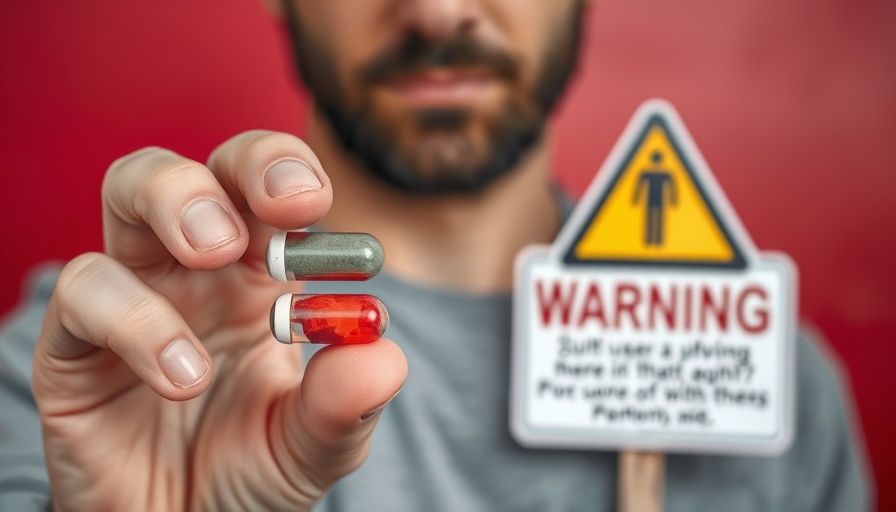
Zinc Mistakes Over 60 warning with zinc capsule.

Understanding the Importance of Zinc for Your Health

As we age, our body’s needs change, and certain nutrients become paramount to our overall health. Among these, zinc stands out as an essential trace mineral that plays a critical role in numerous bodily functions. From immune response to wound healing and cognitive function, zinc is vital for maintaining good health, especially for individuals over 60. However, many people unknowingly make significant mistakes when it comes to zinc supplementation, which can lead to health challenges.

In 'The BIG Zinc Mistake', Dr. Burke addresses the critical role of zinc, highlighting common misconceptions that merit a deeper exploration on our part.

A Deep Dive into the Four Big Zinc Mistakes

In a recent video, Dr. Burke sheds light on what he terms 'The BIG Zinc Mistake,' warning against four prevalent errors people make regarding zinc consumption. Each of these mistakes, if left unchecked, could lead to serious health implications, particularly for older adults who may already face nutritional deficits.

1. Dealing with Dosage: Too Much or Too Little?

One of the most common pitfalls is taking too much zinc. While zinc is crucial for immune function, taking excessive amounts can actually suppress part of the immune system rather than enhance it. Dr. Burke recommends a balanced approach: taking about 30-40 mg daily, particularly during illnesses or heightened stress. Conversely, many also fail to take adequate zinc, especially in diets high in grains, which contain phytic acid that inhibits zinc absorption.

2. The Importance of Co-actors in Zinc Absorption

Another mistake highlighted by Dr. Burke is the lack of co-actors when taking zinc. Nutrients such as magnesium, B6, and folate work synergistically with zinc. A deficiency in either of these can hinder the effective utilization of zinc, leading to symptoms like hair loss, weakened immune response, and mood disturbances. For older adults in Louisiana, focusing on a balanced diet rich in these nutrients can make a significant difference.

3. Recognizing Deficiencies: Symptoms and Tests

Many individuals aren't aware of their zinc status. The presence of white spots on nails can be an indication of deficiency, but there are simpler tests available. A taste test with zinc sulfate can reveal if you are zinc deficient: if it tastes like water, then your levels may need checking. For seniors who may experience loss of taste or smell, this simple test is invaluable.

4. Nutritional Sources of Zinc: What to Eat

Dr. Burke emphasizes the necessity of getting zinc from dietary sources rather than solely from supplements. Shellfish, red meats, and liver are exceptional sources of zinc and are better absorbed than plant-based sources. Given the popular dietary habits in Louisiana, integrating more seafood into meals can foster better health, especially in consideration of local cuisine.

How Aging Affects Zinc Requirements

As we age, our ability to absorb nutrients decreases. The production of stomach acid diminishes, which is crucial for mineral absorption. Moreover, lifestyle factors like alcohol consumption can further deplete zinc levels. For older adults, understanding these factors is vital in ensuring sufficient zinc intake, which is necessary for healing wounds and maintaining muscle health.

Future Trends: Zinc Awareness in Health

Given the increasing awareness around nutrition, we may see a rise in educational campaigns focused on zinc awareness and prevention of deficiencies, particularly in the aging population. Community health programs could play a pivotal role in promoting diets rich in this mineral, addressing not only physical health but also enhancing quality of life in the elderly populace.

Tools and Techniques for Health Improvement

Among the best practices for improving zinc intake are dietary tracking and consultation with healthcare professionals regarding supplementation. With advancements in nutrition science, more resources are available to help individuals identify their nutritional needs comprehensively.

Wrapping It Up: Empower Yourself with Zinc Knowledge

The insights shared in Dr. Burke's video on the big zinc mistakes highlight an often-overlooked aspect of our health. The relevance here is clear: proper zinc intake is crucial for achieving and maintaining good health as we age. As you navigate your health journey, be mindful of how you approach zinc supplementation, and prioritize a balanced diet that meets your body's needs.

To learn more about other essential nutrients and how they impact your health, stay engaged with health resources and local community programs. Educating ourselves is the first step toward better health management in our golden years.


Health

10 Views

Write A Comment

*
*
Please complete the captcha to submit your comment.
Related Posts All Posts
11.19.2026

Senior Citizens Rally Against 'Gas Station Heroin' for Safer Communities

Update Tragedy Strikes: A Grieving Call for Change In recent weeks, the heartbreak of a Washington state family has underscored the urgent need for action against a dangerous substance colloquially known as ‘gas station heroin.’ This term refers to a blend of synthetic drugs that have become remarkably accessible, even in convenience stores. The tragedy struck when a teenager, pursuing what he thought was a harmless experience, fell victim to an overdose linked to this substance. Family members described the young man as full of life and always eager to help others, highlighting a future now tragically lost. Understanding the Danger of Synthetic Drugs These synthetic substances are often marketed with little regulation, posing severe risks to unsuspecting users. Unlike traditional narcotics, which have established dosages and effects, synthetic drugs can vary widely in strength and may contain harmful additives that can lead to unpredictable reactions. Parents in the community have been vocal in their despair, igniting a movement aimed at banning these readily available drugs. Many fear that if no legislation is enacted soon, tragedies like the one they experienced could occur again, impacting more families across the region. A Broader Issue: The Synthetic Drug Epidemic Families across the United States, including here in Louisiana, are growing increasingly concerned about the accessibility of synthetic drugs to young people. These substances are cheap, easy to find, and often marketed using misleading packaging. Statistics indicate a significant rise in the number of overdose cases related to synthetic substances. Reports suggest that these drugs can change frequently, making it nearly impossible for users to know exactly what they are ingesting. Acknowledge the pain these families face—it reflects a broader epidemic spreading through many communities, prompting local and national discussions on how best to address this crisis. Support and Resources for Affected Families In light of this tragedy, community organizations have rallied to support families grappling with the fallout of synthetic drug use. Support groups tailored specifically for parents and siblings of users can provide a platform for sharing experiences and addressing the emotional scars left by such losses. These gatherings often lead to networking opportunities, allowing families to connect with counseling services and educational programs. Resources, including counseling services and educational programs, are essential in empowering families to speak out and advocate for change. Local health departments have initiated awareness campaigns to inform the public about the risks associated with these substances and available resources. Lessons Learned: Importance of Awareness and Education The heartbreaking story of this Washington state family serves as a valuable lesson for parents everywhere. Education about the dangers of synthetic drugs can serve as the first line of defense. Regular discussions with young adults about the risks associated with substance use, even those marketed as harmless, can foster a culture of awareness. Schools and community centers are beginning to host workshops aimed at discussing the realities of synthetic drugs, targeting both adolescents and their caregivers. Many realize that open conversations about peer pressure and substance use can be pivotal in potentially saving lives. This proactive approach to education can help demystify the allure of these substances, highlighting rather than glossing over the risks involved. A Call to Action for Senior Citizens Senior citizens in Louisiana, as protectors of family values and wisdom keepers in our communities, play a crucial role in fighting against these perilous substances. Engaging in conversations with younger generations can help bridge the knowledge gap. Sharing their own life experiences can provide context and caution regarding the dangers of substance abuse. Furthermore, by supporting local advocacy efforts and attending community meetings, seniors can contribute to the movement to ban synthetic drugs. Encouraging local lawmakers to take action will not only support families but also create a safer future for our youth. Programs that enable seniors to mentor younger adults can be particularly effective in imparting important life lessons and fostering a sense of community responsibility. Conclusion: Your Voice Matters The tragic incident involving young lives lost to synthetic drugs serves as a wake-up call to all communities, especially here in Louisiana. An immediate response is essential to curb the spread of substances like ‘gas station heroin.’ Community members must engage in conversations that help demystify drug usage and the associated risks. By learning, discussing, and rallying together, we can advocate for policies that protect our families. Take a stand, educate yourselves, and become voices for youth safety. Together, we can champion a healthier, safer community with fewer tragedies in the future. It takes the collective effort of both the young and the old to foster an environment where such tragedies become a thing of the past.

11.19.2026

Essential Winter Wellness Tips: Combat Carbon Monoxide Risks, Joint Pain, and Seasonal Blues

Update Understanding Carbon Monoxide Risks This Winter As temperatures drop, the risk of carbon monoxide poisoning can rise, particularly in colder climates like Louisiana. During winter months, many seniors use heating devices and gas-powered appliances to maintain comfort in their homes, which, if not well-ventilated, can produce carbon monoxide. This colorless and odorless gas can lead to serious health implications, especially for older adults whose health may already be compromised. Symptoms of carbon monoxide poisoning can include headaches, dizziness, confusion, fatigue, and more severe outcomes like unconsciousness or even death. To ensure safety, it's crucial to have working carbon monoxide detectors in your homes. These devices can alert you to dangerous levels of carbon monoxide before symptoms manifest. Regularly checking heating appliances for proper function is essential, and ensuring that any gas equipment is well-ventilated will further reduce risks. Establishing these practices can protect you and your loved ones from this hidden threat, particularly as cold weather often drives us indoors where these dangers can be more prevalent. Additionally, it's wise to educate yourself about the signs of carbon monoxide poisoning. If you ever feel unwell while using heating devices, it's important to step outside to get fresh air. Have an emergency plan in place, and ensure that family members or caregivers are informed about the risks of carbon monoxide. Creating a safe living environment is a proactive step toward enjoying a peaceful winter season. Cold Weather and Joint Pain: What You Can Do During winter months, many seniors experience increased joint pain, a condition that can often be exacerbated by lower temperatures and humidity. This challenge can be particularly disheartening for older adults who already face mobility issues. Changes in barometric pressure can lead to joint discomfort as well. However, there are several strategies seniors can employ to manage and reduce pain effectively. Engaging in gentle exercises can prove beneficial. Activities like swimming or tai chi enhance flexibility and strengthen joint stability. Consider enrolling in a gentle yoga class, specifically designed for seniors, which can provide both physical benefits and a sense of community. Additionally, when venturing outdoors, ensure you’re properly dressed by layering clothing to help regulate body temperature and prevent discomfort. Wear thermal socks, and don’t forget a warm hat, as a significant amount of body heat can be lost through the head. Applying heat pads or warm compresses can offer immediate relief to sore joints, while staying active with low-impact activities, such as leisurely walks or gentle stretching, can make a significant difference over time. Staying mindful of your physical health during colder months is vital; it not only enhances overall quality of life but can also improve mood and mental well-being. Maintaining a consistent routine of gentle exercises can make it easier to cope during the colder months. Beating the Seasonal Blues: Uplifting Your Spirits Many people notice a shift in their moods as the days become shorter and the weather turns colder in winter. Seasonal Affective Disorder (SAD) can affect anyone, yet its increased prevalence among older adults may warrant particular attention. The lack of sunlight can disrupt circadian rhythms and lead to feelings of sadness or fatigue, which can further impact health. For seniors, it’s crucial to adopt strategies to combat these feelings. Simple mindfulness practices can be very effective; spending time outside during daylight hours, even for a short walk, can expose you to beneficial natural light. If outdoor conditions allow, consider starting a small garden or tending to indoor plants, as nurturing plants can have uplifting effects on mood. Establishing strong social connections by reaching out to friends, family, or community groups can provide emotional support and create a network to share concerns and joys alike. Engaging in hobbies or exploring new interests, such as joining a painting class or a book club, can instill a sense of purpose and joy in daily life, combating feelings of isolation and boredom. Music and art have powerful effects on mood, and participating in programs that incorporate these elements can foster community while uplifting spirits. Remember, prioritizing emotional health is just as essential as maintaining physical well-being. This winter, consider getting together with loved ones for game nights or movie marathons to create joyful memories. Final Thoughts and Actions for a Healthier Winter This winter season is a moment for reflection and proactive measures in maintaining health, safety, and emotional well-being. By being informed about potential hazards such as carbon monoxide risks, managing joint pain, and addressing seasonal mood fluctuations, seniors can significantly enhance their quality of life. Take the steps discussed in this article to ensure that your home is safe, your body is healthy, and your spirit is vibrant. Embrace these colder months with confidence, knowing that simple changes can lead to greater well-being. Remember to reach out to your healthcare provider for personalized advice tailored to your individual health needs and lifestyle. Don’t hesitate to share your experiences or concerns with peers; often, talking about your challenges can lead to shared solutions. Together, we can navigate through the winter with warmth and resilience.

11.19.2026

Rising E-Bike Injuries Among Youth: What Seniors Need to Know

Update Understanding the Rise of E-Bike Injuries Among Youth In recent months, Louisiana has witnessed a concerning surge in electric bike (e-bike) injuries, particularly among children and teenagers. As e-bikes gain popularity for their speed and efficiency, parents are rightfully anxious about the risks involved. Statistically, more young riders are experiencing serious accidents, raising critical questions about safety measures, education, and how these can protect one of our most vulnerable populations. Why the Increase in E-Bike Usage? E-bikes have emerged as an appealing alternative for mobility, especially in urban areas. They offer a faster and more environmentally friendly mode of transportation compared to traditional bikes or cars. Many families are embracing e-bikes as a fun recreational activity and a practical solution for short trips around neighborhoods and parks. With the increasing emphasis on sustainability, e-bikes have gained foothold as a green alternative that aligns well with community values in Louisiana. However, existing infrastructure may not be ready to accommodate the rapid rise in e-bike riders, leading to potential dangers on the roads that must be urgently addressed. The Serious Risks Involved with E-Biking The very features that make e-bikes attractive—speed and efficiency—also contribute to their associated dangers. A recent report highlighted that many injuries stem from head trauma and fractures, often occurring from falls or collisions. Unfortunately, newly minted riders, particularly children, may not be aware of the risks or may underestimate the dangers of riding at higher speeds. Children, while eager and adventurous, often lack the same level of caution or experience that adult riders might possess, making them especially prone to accidents. In Louisiana, where the warm climate encourages year-round riding, this issue is particularly pertinent. Families may feel tempted to take to the streets or trails, but a lack of safety awareness can lead to dangerous situations. Riders frequently come into conflict with vehicles on city streets, posing a serious risk not only to themselves but also to others on the road. Protecting Our Youth: Parental Guidance and Education As e-bike usage increases among the younger generation, guidance from parents becomes crucial. They can take proactive steps to ensure their children’s safety by educating them about e-bike operation and the importance of wearing proper safety gear. Helmet usage, for instance, can significantly reduce the risk of severe head injuries. Studies have shown that wearing a helmet drastically decreases the likelihood of a head injury in the event of an accident. Furthermore, young riders should be encouraged to practice safe riding habits such as respecting traffic signals, understanding the rules of the road, and maintaining a safe speed. Moreover, parents should consider leading by example. By taking safety precautions themselves while riding, they signal the importance of these measures to their children. Community Awareness and Local Efforts In light of the alarming rise in injuries, community leaders are beginning to take action. Initiatives focused on public awareness and education campaigns are being rolled out to address the safety of e-bike riders. Local organizations can play a vital role in organizing events that teach safe riding practices, maintenance tutorials, and the importance of proper equipment. Reaching out to local schools and youth groups can help spread these essential messages. Communities can also benefit from collaborating with local law enforcement and safety experts to host bike safety events. Such programs could include bicycle rodeos, where young riders can learn important skills in a controlled environment, or informational sessions that discuss the rules of the road. These measures not only help mitigate risks but also foster a sense of community responsibility toward the safety of young e-bike users. In Conclusion: Moving Towards Safer E-Biking As e-bikes continue to grow in popularity, understanding the associated risks is key to preventing injuries among children and teens. With appropriate education, safer riding practices, and community involvement, we can create a safer environment for future riders. Parents, schools, and local governments need to come together to prioritize the safety of our children. Ensuring that they can enjoy the freedom of e-biking without risking their well-being is essential. In addition, it is important that communities raise awareness about the benefits of e-biking as part of a healthy lifestyle. Promoting safe riding alongside the positive aspects of e-biking can help paint a fuller picture of what riding can be for children and teens. Take Action: Join Community Safety Programs As we navigate this growing trend, consider getting involved with local community safety programs aimed at educating young riders. Whether through volunteering, attending workshops, or simply spreading the word about safe practices, every bit helps. Together, we can foster a culture of safety, enabling our youth to explore the joys of e-biking confidently. By supporting local initiatives, you also contribute to a collective effort aimed at addressing a pressing issue affecting our children’s health and well-being. Let’s work together to ensure a safer future for our young riders in Louisiana. With collective action, we can transform the e-biking experience into a safe and joyful pursuit that allows our children to thrive while nurturing both their adventurous spirits and responsible riding habits.

Golden Years of Louisiana

GoldenYearsLA.com is Louisiana’s trusted online magazine for seniors, offering lifestyle inspiration, health tips, financial guidance, and travel ideas tailored to you.

  • Privacy Policy
  • Terms of Use
  • Advertise
  • Contact Us
  • Menu 5
  • Menu 6
Hours

AVAILABLE M-F 9AM - 5PM CST

Hall Street Media

Hall Street Media is a Louisiana-based media company creating engaging digital publications for lifestyle, health, business, and regional audiences across the Gulf South.

© 2026 Golden Years of Louisiana All Rights Reserved. Hall Street Media, Lafayette, Louisiana 70501 . Contact Us . Terms of Service . Privacy Policy

eyJjb21wYW55IjoiR29sZGVuIFllYXJzIG9mIExvdWlzaWFuYSIsImFkZHJlc3MiOiJIYWxsIFN0cmVldCBNZWRpYSIsImNpdHkiOiJMYWZheWV0dGUiLCJzdGF0ZSI6IkxvdWlzaWFuYSIsInppcCI6IjcwNTAxIiwiZW1haWwiOiJnb2xkZW55ZWFyc2xhQGdtYWlsLmNvbSIsInRvcyI6IlBIQStQSE4wY205dVp6NDhaVzArVjJobGJpQjViM1VnYzJsbmJpMXBiaUIzYVhSb0lIVnpMQ0I1YjNVZ1lYSmxJR2RwZG1sdVp5WnVZbk53T3lCNWIzVnlJSEJsY20xcGMzTnBiMjRnWVc1a0lHTnZibk5sYm5RZ2RHOGdjMlZ1WkNCNWIzVWdaVzFoYVd3Z1lXNWtMMjl5SUZOTlV5QjBaWGgwSUcxbGMzTmhaMlZ6TGlCQ2VTQmphR1ZqYTJsdVp5QjBhR1VnVkdWeWJYTWdZVzVrSUVOdmJtUnBkR2x2Ym5NZ1ltOTRJR0Z1WkNCaWVTQnphV2R1YVc1bklHbHVJSGx2ZFNCaGRYUnZiV0YwYVdOaGJHeDVJR052Ym1acGNtMGdkR2hoZENCNWIzVWdZV05qWlhCMElHRnNiQ0IwWlhKdGN5QnBiaUIwYUdseklHRm5jbVZsYldWdWRDNDhMMlZ0UGp3dmMzUnliMjVuUGp3dmNENEtDanh3UG1oMGRIQnpPaTh2WjI5c1pHVnVlV1ZoY25Oc1lTNWpiMjA4TDNBK0NnbzhjRDRtYm1KemNEczhMM0ErQ2dvOGNENDhjM1J5YjI1blBsTkZVbFpKUTBVOEwzTjBjbTl1Wno0OEwzQStDZ284Y0Q1WFpTQndjbTkyYVdSbElHRWdjMlZ5ZG1salpTQjBhR0YwSUdOMWNuSmxiblJzZVNCaGJHeHZkM01nZVc5MUlIUnZJSEpsWTJWcGRtVWdjbVZ4ZFdWemRITWdabTl5SUdabFpXUmlZV05yTENCamIyMXdZVzU1SUdsdVptOXliV0YwYVc5dUxDQndjbTl0YjNScGIyNWhiQ0JwYm1admNtMWhkR2x2Yml3Z1kyOXRjR0Z1ZVNCaGJHVnlkSE1zSUdOdmRYQnZibk1zSUdScGMyTnZkVzUwY3lCaGJtUWdiM1JvWlhJZ2JtOTBhV1pwWTJGMGFXOXVjeUIwYnlCNWIzVnlJR1Z0WVdsc0lHRmtaSEpsYzNNZ1lXNWtMMjl5SUdObGJHeDFiR0Z5SUhCb2IyNWxJRzl5SUdSbGRtbGpaUzRnV1c5MUlIVnVaR1Z5YzNSaGJtUWdZVzVrSUdGbmNtVmxJSFJvWVhRZ2RHaGxJRk5sY25acFkyVWdhWE1nY0hKdmRtbGtaV1FnSm5GMWIzUTdRVk10U1ZNbWNYVnZkRHNnWVc1a0lIUm9ZWFFnZDJVZ1lYTnpkVzFsSUc1dklISmxjM0J2Ym5OcFltbHNhWFI1SUdadmNpQjBhR1VnZEdsdFpXeHBibVZ6Y3l3Z1pHVnNaWFJwYjI0c0lHMXBjeTFrWld4cGRtVnllU0J2Y2lCbVlXbHNkWEpsSUhSdklITjBiM0psSUdGdWVTQjFjMlZ5SUdOdmJXMTFibWxqWVhScGIyNXpJRzl5SUhCbGNuTnZibUZzYVhwaGRHbHZiaUJ6WlhSMGFXNW5jeTQ4TDNBK0NnbzhjRDVaYjNVZ1lYSmxJSEpsYzNCdmJuTnBZbXhsSUdadmNpQnZZblJoYVc1cGJtY2dZV05qWlhOeklIUnZJSFJvWlNCVFpYSjJhV05sSUdGdVpDQjBhR0YwSUdGalkyVnpjeUJ0WVhrZ2FXNTJiMngyWlNCMGFHbHlaQ0J3WVhKMGVTQm1aV1Z6SUNoemRXTm9JR0Z6SUZOTlV5QjBaWGgwSUcxbGMzTmhaMlZ6TENCSmJuUmxjbTVsZENCelpYSjJhV05sSUhCeWIzWnBaR1Z5SUc5eUlHTmxiR3gxYkdGeUlHRnBjblJwYldVZ1kyaGhjbWRsY3lrdUlGbHZkU0JoY21VZ2NtVnpjRzl1YzJsaWJHVWdabTl5SUhSb2IzTmxJR1psWlhNc0lHbHVZMngxWkdsdVp5QjBhRzl6WlNCbVpXVnpJR0Z6YzI5amFXRjBaV1FnZDJsMGFDQjBhR1VnWkdsemNHeGhlU0J2Y2lCa1pXeHBkbVZ5ZVNCdlppQmxZV05vSUZOTlV5QjBaWGgwSUcxbGMzTmhaMlVnYzJWdWRDQjBieUI1YjNVZ1lua2dkWE11SUVsdUlHRmtaR2wwYVc5dUxDQjViM1VnYlhWemRDQndjbTkyYVdSbElHRnVaQ0JoY21VZ2NtVnpjRzl1YzJsaWJHVWdabTl5SUdGc2JDQmxjWFZwY0cxbGJuUWdibVZqWlhOellYSjVJSFJ2SUdGalkyVnpjeUIwYUdVZ1UyVnlkbWxqWlNCaGJtUWdjbVZqWldsMlpTQjBhR1VnVTAxVElIUmxlSFFnYldWemMyRm5aWE11SUZkbElHUnZJRzV2ZENCamFHRnlaMlVnWVc1NUlHWmxaWE1nWm05eUlHUmxiR2wyWlhKNUlHOW1JR1Z0WVdsc0lHOXlJRk5OVXk0Z1ZHaHBjeUJwY3lCaElHWnlaV1VnYzJWeWRtbGpaU0J3Y205MmFXUmxaQ0JpZVNCMWN5NGdTRzkzWlhabGNpd2djR3hsWVhObElHTm9aV05ySUhkcGRHZ2dlVzkxY2lCcGJuUmxjbTVsZENCelpYSjJhV05sSUhCeWIzWnBaR1Z5SUdGdVpDQmpaV3hzZFd4aGNpQmpZWEp5YVdWeUlHWnZjaUJoYm5rZ1kyaGhjbWRsY3lCMGFHRjBJRzFoZVNCcGJtTjFjaUJoY3lCaElISmxjM1ZzZENCbWNtOXRJSEpsWTJWcGRtbHVaeUJsYldGcGJDQmhibVFnVTAxVElIUmxlSFFnYldWemMyRm5aWE1nZEdoaGRDQjNaU0JrWld4cGRtVnlJSFZ3YjI0Z2VXOTFjaUJ2Y0hRdGFXNGdZVzVrSUhKbFoybHpkSEpoZEdsdmJpQjNhWFJvSUc5MWNpQmxiV0ZwYkNCaGJtUWdVMDFUSUhObGNuWnBZMlZ6TGlCWmIzVWdZMkZ1SUdOaGJtTmxiQ0JoZENCaGJua2dkR2x0WlM0Z1NuVnpkQ0IwWlhoMElDWnhkVzkwTzFOVVQxQW1jWFZ2ZERzZ2RHOG1ibUp6Y0RzOGFHbG5hR3hwWjJoMElHTnNZWE56UFNKamIyMXdZVzU1VTAxVFVHaHZibVZWY0dSaGRHVWlQbTUxYkd3OEwyaHBaMmhzYVdkb2RENHVJRUZtZEdWeUlIbHZkU0J6Wlc1a0lIUm9aU0JUVFZNZ2JXVnpjMkZuWlNBbWNYVnZkRHRUVkU5UUpuRjFiM1E3SUhSdklIVnpMQ0IzWlNCM2FXeHNJSE5sYm1RZ2VXOTFJR0Z1SUZOTlV5QnRaWE56WVdkbElIUnZJR052Ym1acGNtMGdkR2hoZENCNWIzVWdhR0YyWlNCaVpXVnVJSFZ1YzNWaWMyTnlhV0psWkM0Z1FXWjBaWElnZEdocGN5d2dlVzkxSUhkcGJHd2dibThnYkc5dVoyVnlJSEpsWTJWcGRtVWdVMDFUSUcxbGMzTmhaMlZ6SUdaeWIyMGdkWE11UEM5d1Bnb0tQSEErUEhOMGNtOXVaejVaVDFWU0lGSkZSMGxUVkZKQlZFbFBUaUJQUWt4SlIwRlVTVTlPVXp3dmMzUnliMjVuUGp3dmNENEtDanh3UGtsdUlHTnZibk5wWkdWeVlYUnBiMjRnYjJZZ2VXOTFjaUIxYzJVZ2IyWWdkR2hsSUZObGNuWnBZMlVzSUhsdmRTQmhaM0psWlNCMGJ6bzhMM0ErQ2dvOGIydytDZ2s4YkdrK2NISnZkbWxrWlNCMGNuVmxMQ0JoWTJOMWNtRjBaU3dnWTNWeWNtVnVkQ0JoYm1RZ1kyOXRjR3hsZEdVZ2FXNW1iM0p0WVhScGIyNGdZV0p2ZFhRZ2VXOTFjbk5sYkdZZ1lYTWdjSEp2YlhCMFpXUWdZbmtnZEdobElGTmxjblpwWTJVbUl6TTVPM01nY21WbmFYTjBjbUYwYVc5dUlHWnZjbTBnS0hOMVkyZ2dhVzVtYjNKdFlYUnBiMjRnWW1WcGJtY2dkR2hsSUNaeGRXOTBPMUpsWjJsemRISmhkR2x2YmlCRVlYUmhKbkYxYjNRN0tTQmhibVE4TDJ4cFBnb0pQR3hwUG0xaGFXNTBZV2x1SUdGdVpDQndjbTl0Y0hSc2VTQjFjR1JoZEdVZ2RHaGxJRkpsWjJsemRISmhkR2x2YmlCRVlYUmhJSFJ2SUd0bFpYQWdhWFFnZEhKMVpTd2dZV05qZFhKaGRHVXNJR04xY25KbGJuUWdZVzVrSUdOdmJYQnNaWFJsTGlCSlppQjViM1VnY0hKdmRtbGtaU0JoYm5rZ2FXNW1iM0p0WVhScGIyNGdkR2hoZENCcGN5QjFiblJ5ZFdVc0lHbHVZV05qZFhKaGRHVXNJRzV2ZENCamRYSnlaVzUwSUc5eUlHbHVZMjl0Y0d4bGRHVXNJRzl5SUhkbElHaGhkbVVnY21WaGMyOXVZV0pzWlNCbmNtOTFibVJ6SUhSdklITjFjM0JsWTNRZ2RHaGhkQ0J6ZFdOb0lHbHVabTl5YldGMGFXOXVJR2x6SUhWdWRISjFaU3dnYVc1aFkyTjFjbUYwWlN3Z2JtOTBJR04xY25KbGJuUWdiM0lnYVc1amIyMXdiR1YwWlN3Z2QyVWdhR0YyWlNCMGFHVWdjbWxuYUhRZ2RHOGdjM1Z6Y0dWdVpDQnZjaUE4YzNSeWIyNW5Qanh6Y0dGdUlITjBlV3hsUFNKamIyeHZjam9qUmtZd01EQXdPeUkrZEdWeWJXbHVZWFJsSUhsdmRYSWdZV05qYjNWdWRDOXdjbTltYVd4bElHRnVaQ0J5WldaMWMyVWdZVzU1SUdGdVpDQmhiR3dnWTNWeWNtVnVkQ0J2Y2lCbWRYUjFjbVVnZFhObElHOW1JSFJvWlNCVFpYSjJhV05sSUNodmNpQmhibmtnY0c5eWRHbHZiaUIwYUdWeVpXOW1LUzQ4TDNOd1lXNCtQQzl6ZEhKdmJtYytQQzlzYVQ0S1BDOXZiRDRLQ2p4d1BpWnVZbk53T3p3dmNENEtQR2hwWjJoc2FXZG9kQ0JqYkdGemN6MGlZMjl0Y0dGdWVVNWhiV1ZWY0dSaGRHVWlQa2R2YkdSbGJpQlpaV0Z5Y3lCdlppQk1iM1ZwYzJsaGJtRThMMmhwWjJoc2FXZG9kRDQ4WW5JZ0x6NEtQR2hwWjJoc2FXZG9kQ0JqYkdGemN6MGlZMjl0Y0dGdWVVVnRZV2xzVlhCa1lYUmxJajVuYjJ4a1pXNTVaV0Z5YzJ4aFFHZHRZV2xzTG1OdmJUd3ZhR2xuYUd4cFoyaDBQZz09IiwicHJpdmFjeSI6IlBIQStQSE4wY205dVp6NVFVa2xXUVVOWlBDOXpkSEp2Ym1jK1BDOXdQZ29LUEhBK1BITjBjbTl1Wno1VWFHVWdhVzVtYjNKdFlYUnBiMjRnY0hKdmRtbGtaV1FnWkhWeWFXNW5JSFJvYVhNZ2NtVm5hWE4wY21GMGFXOXVJR2x6SUd0bGNIUWdjSEpwZG1GMFpTQmhibVFnWTI5dVptbGtaVzUwYVdGc0xDQmhibVFnZDJsc2JDQnVaWFpsY2lCaVpTQmthWE4wY21saWRYUmxaQ3dnWTI5d2FXVmtMQ0J6YjJ4a0xDQjBjbUZrWldRZ2IzSWdjRzl6ZEdWa0lHbHVJR0Z1ZVNCM1lYa3NJSE5vWVhCbElHOXlJR1p2Y20wdUlGUm9hWE1nYVhNZ2IzVnlJR2QxWVhKaGJuUmxaUzQ4TDNOMGNtOXVaejQ4TDNBK0NnbzhjRDQ4YzNSeWIyNW5Qa2xPUkVWTlRrbFVXVHd2YzNSeWIyNW5Qand2Y0Q0S0NqeHdQanhsYlQ1WmIzVWdZV2R5WldVZ2RHOGdhVzVrWlcxdWFXWjVJR0Z1WkNCb2IyeGtJSFZ6TENCaGJtUWdhWFJ6SUhOMVluTnBaR2xoY21sbGN5d2dZV1ptYVd4cFlYUmxjeXdnYjJabWFXTmxjbk1zSUdGblpXNTBjeXdnWTI4dFluSmhibVJsY25NZ2IzSWdiM1JvWlhJZ2NHRnlkRzVsY25Nc0lHRnVaQ0JsYlhCc2IzbGxaWE1zSUdoaGNtMXNaWE56SUdaeWIyMGdZVzU1SUdOc1lXbHRJRzl5SUdSbGJXRnVaQ3dnYVc1amJIVmthVzVuSUhKbFlYTnZibUZpYkdVZ1lYUjBiM0p1WlhsekppTXpPVHNnWm1WbGN5d2diV0ZrWlNCaWVTQmhibmtnZEdocGNtUWdjR0Z5ZEhrZ1pIVmxJSFJ2SUc5eUlHRnlhWE5wYm1jZ2IzVjBJRzltSUVOdmJuUmxiblFnZVc5MUlISmxZMlZwZG1Vc0lITjFZbTFwZEN3Z2NtVndiSGtzSUhCdmMzUXNJSFJ5WVc1emJXbDBJRzl5SUcxaGEyVWdZWFpoYVd4aFlteGxJSFJvY205MVoyZ2dkR2hsSUZObGNuWnBZMlVzSUhsdmRYSWdkWE5sSUc5bUlIUm9aU0JUWlhKMmFXTmxMQ0I1YjNWeUlHTnZibTVsWTNScGIyNGdkRzhnZEdobElGTmxjblpwWTJVc0lIbHZkWElnZG1sdmJHRjBhVzl1SUc5bUlIUm9aU0JVVDFNc0lHOXlJSGx2ZFhJZ2RtbHZiR0YwYVc5dUlHOW1JR0Z1ZVNCeWFXZG9kSE1nYjJZZ1lXNXZkR2hsY2k0OEwyVnRQand2Y0Q0S0NqeHdQanh6ZEhKdmJtYytSRWxUUTB4QlNVMUZVaUJQUmlCWFFWSlNRVTVVU1VWVFBDOXpkSEp2Ym1jK1BDOXdQZ29LUEhBK1BITjBjbTl1Wno1WlQxVWdSVmhRVWtWVFUweFpJRlZPUkVWU1UxUkJUa1FnUVU1RUlFRkhVa1ZGSUZSSVFWUTZQQzl6ZEhKdmJtYytQQzl3UGdvS1BHOXNQZ29KUEd4cFBsbFBWVklnVlZORklFOUdJRlJJUlNCVFJWSldTVU5GSUVsVElFRlVJRmxQVlZJZ1UwOU1SU0JTU1ZOTExpQlVTRVVnVTBWU1ZrbERSU0JKVXlCUVVrOVdTVVJGUkNCUFRpQkJUaUFtY1hWdmREdEJVeUJKVXlaeGRXOTBPeUJCVGtRZ0puRjFiM1E3UVZNZ1FWWkJTVXhCUWt4RkpuRjFiM1E3SUVKQlUwbFRMaUFzTGlCQlRrUWdWVk1zSUVsVUppTXpPVHRUSUVOVlUxUlBUVVZTVXl3Z1JWaFFVa1ZUVTB4WklFUkpVME5NUVVsTlV5QkJURXdnVjBGU1VrRk9WRWxGVXlCUFJpQkJUbGtnUzBsT1JDd2dWMGhGVkVoRlVpQkZXRkJTUlZOVElFOVNJRWxOVUV4SlJVUXNJRWxPUTB4VlJFbE9SeXdnUWxWVUlFNVBWQ0JNU1UxSlZFVkVJRlJQSUZSSVJTQkpUVkJNU1VWRUlGZEJVbEpCVGxSSlJWTWdUMFlnVFVWU1EwaEJUbFJCUWtsTVNWUlpMQ0JHU1ZST1JWTlRJRVpQVWlCQklGQkJVbFJKUTFWTVFWSWdVRlZTVUU5VFJTQkJUa1FnVGs5T0xVbE9SbEpKVGtkRlRVVk9WQzQ4TDJ4cFBnb0pQR3hwUGsxQlMwVlRJRTVQSUZkQlVsSkJUbFJaSUZSSVFWUWdLR2twSUZSSVJTQlRSVkpXU1VORklGZEpURXdnVFVWRlZDQlpUMVZTSUZKRlVWVkpVa1ZOUlU1VVV5d2dLR2xwS1NCVVNFVWdVMFZTVmtsRFJTQlhTVXhNSUVKRklGVk9TVTVVUlZKU1ZWQlVSVVFzSUZSSlRVVk1XU3dnVTBWRFZWSkZMQ0JQVWlCRlVsSlBVaTFHVWtWRkxDQW9hV2xwS1NCVVNFVWdVa1ZUVlV4VVV5QlVTRUZVSUUxQldTQkNSU0JQUWxSQlNVNUZSQ0JHVWs5TklGUklSU0JWVTBVZ1QwWWdWRWhGSUZORlVsWkpRMFVnVjBsTVRDQkNSU0JCUTBOVlVrRlVSU0JQVWlCU1JVeEpRVUpNUlN3Z1FVNUVJQ2hwZGlrZ1FVNVpJRVZTVWs5U1V5QkpUaUJVU0VVZ1UwOUdWRmRCVWtVZ1YwbE1UQ0JDUlNCRFQxSlNSVU5VUlVRdVBDOXNhVDRLQ1R4c2FUNUJUbGtnVFVGVVJWSkpRVXdnUkU5WFRreFBRVVJGUkNCUFVpQlBWRWhGVWxkSlUwVWdUMEpVUVVsT1JVUWdWRWhTVDFWSFNDQlVTRVVnVlZORklFOUdJRlJJUlNCVFJWSldTVU5GSUVsVElFUlBUa1VnUVZRZ1dVOVZVaUJQVjA0Z1JFbFRRMUpGVkVsUFRpQkJUa1FnVWtsVFN5QkJUa1FnVkVoQlZDQlpUMVVnVjBsTVRDQkNSU0JUVDB4RlRGa2dVa1ZUVUU5T1UwbENURVVnUms5U0lFRk9XU0JFUVUxQlIwVWdWRThnV1U5VlVpQkRUMDFRVlZSRlVpQlRXVk5VUlUwZ1QxSWdURTlUVXlCUFJpQkVRVlJCSUZSSVFWUWdVa1ZUVlV4VVV5QkdVazlOSUZSSVJTQkVUMWRPVEU5QlJDQlBSaUJCVGxrZ1UxVkRTQ0JOUVZSRlVrbEJUQzQ4TDJ4cFBnb0pQR3hwUGs1UElFRkVWa2xEUlNCUFVpQkpUa1pQVWsxQlZFbFBUaXdnVjBoRlZFaEZVaUJQVWtGTUlFOVNJRmRTU1ZSVVJVNHNJRTlDVkVGSlRrVkVJRUpaSUZsUFZTQkdVazlOSUU5U0lGUklVazlWUjBnZ1QxSWdSbEpQVFNCVVNFVWdVMFZTVmtsRFJTQlRTRUZNVENCRFVrVkJWRVVnUVU1WklGZEJVbEpCVGxSWklFNVBWQ0JGV0ZCU1JWTlRURmtnVTFSQlZFVkVJRWxPSUZSSVJTQlVUMU11UEM5c2FUNEtQQzl2YkQ0S0NqeHdQanh6ZEhKdmJtYytURWxOU1ZSQlZFbFBUaUJQUmlCTVNVRkNTVXhKVkZrOEwzTjBjbTl1Wno0OEwzQStDZ284Y0Q1WlQxVWdSVmhRVWtWVFUweFpJRlZPUkVWU1UxUkJUa1FnUVU1RUlFRkhVa1ZGSUZSSVFWUWdRVTVFSUZOSVFVeE1JRTVQVkNCQ1JTQk1TVUZDVEVVZ1JrOVNJRUZPV1NCRVNWSkZRMVFzSUVsT1JFbFNSVU5VTENCSlRrTkpSRVZPVkVGTUxDQlRVRVZEU1VGTUxDQkRUMDVUUlZGVlJVNVVTVUZNSUU5U0lFVllSVTFRVEVGU1dTQkVRVTFCUjBWVExDQkpUa05NVlVSSlRrY2dRbFZVSUU1UFZDQk1TVTFKVkVWRUlGUlBMQ0JFUVUxQlIwVlRJRVpQVWlCTVQxTlRJRTlHSUZCU1QwWkpWRk1zSUVkUFQwUlhTVXhNTENCVlUwVXNJRVJCVkVFZ1QxSWdUMVJJUlZJZ1NVNVVRVTVIU1VKTVJTQk1UMU5UUlZNZ0tFVldSVTRnU1VZZ1NFRlRJRUpGUlU0Z1FVUldTVk5GUkNCUFJpQlVTRVVnVUU5VFUwbENTVXhKVkZrZ1QwWWdVMVZEU0NCRVFVMUJSMFZUS1N3Z1VrVlRWVXhVU1U1SElFWlNUMDA2UEM5d1Bnb0tQRzlzUGdvSlBHeHBQbFJJUlNCVlUwVWdUMUlnVkVoRklFbE9RVUpKVEVsVVdTQlVUeUJWVTBVZ1ZFaEZJRk5GVWxaSlEwVTdQQzlzYVQ0S0NUeHNhVDVVU0VVZ1EwOVRWQ0JQUmlCUVVrOURWVkpGVFVWT1ZDQlBSaUJUVlVKVFZFbFVWVlJGSUVkUFQwUlRJRUZPUkNCVFJWSldTVU5GVXlCU1JWTlZURlJKVGtjZ1JsSlBUU0JCVGxrZ1IwOVBSRk1zSUVSQlZFRXNJRWxPUms5U1RVRlVTVTlPSUU5U0lGTkZVbFpKUTBWVElGQlZVa05JUVZORlJDQlBVaUJQUWxSQlNVNUZSQ0JQVWlCTlJWTlRRVWRGVXlCU1JVTkZTVlpGUkNCUFVpQlVVa0ZPVTBGRFZFbFBUbE1nUlU1VVJWSkZSQ0JKVGxSUElGUklVazlWUjBnZ1QxSWdSbEpQVFNCVVNFVWdVMFZTVmtsRFJUczhMMnhwUGdvSlBHeHBQbFZPUVZWVVNFOVNTVnBGUkNCQlEwTkZVMU1nVkU4Z1QxSWdRVXhVUlZKQlZFbFBUaUJQUmlCWlQxVlNJRlJTUVU1VFRVbFRVMGxQVGxNZ1QxSWdSRUZVUVRzOEwyeHBQZ29KUEd4cFBsTlVRVlJGVFVWT1ZGTWdUMUlnUTA5T1JGVkRWQ0JQUmlCQlRsa2dWRWhKVWtRZ1VFRlNWRmtnVDA0Z1ZFaEZJRk5GVWxaSlEwVTdJRTlTUEM5c2FUNEtDVHhzYVQ1QlRsa2dUMVJJUlZJZ1RVRlVWRVZTSUZKRlRFRlVTVTVISUZSUElGUklSU0JUUlZKV1NVTkZMand2YkdrK0Nqd3ZiMncrQ2dvOGNENDhkVDVDZVNCeVpXZHBjM1JsY21sdVp5QmhibVFnYzNWaWMyTnlhV0pwYm1jZ2RHOGdiM1Z5SUdWdFlXbHNJR0Z1WkNCVFRWTWdjMlZ5ZG1salpTd2dZbmtnYjNCMExXbHVMQ0J2Ym14cGJtVWdjbVZuYVhOMGNtRjBhVzl1SUc5eUlHSjVJR1pwYkd4cGJtY2diM1YwSUdFZ1kyRnlaQ3dnSm5GMWIzUTdlVzkxSUdGbmNtVmxJSFJ2SUhSb1pYTmxJRlJGVWsxVElFOUdJRk5GVWxaSlEwVW1jWFZ2ZERzZ1lXNWtJSGx2ZFNCaFkydHViM2RzWldSblpTQmhibVFnZFc1a1pYSnpkR0Z1WkNCMGFHVWdZV0p2ZG1VZ2RHVnliWE1nYjJZZ2MyVnlkbWxqWlNCdmRYUnNhVzVsWkNCaGJtUWdaR1YwWVdsc1pXUWdabTl5SUhsdmRTQjBiMlJoZVM0OEwzVStQQzl3UGdvS1BIQStKbTVpYzNBN1BDOXdQZ284YUdsbmFHeHBaMmgwSUdOc1lYTnpQU0pqYjIxd1lXNTVUbUZ0WlZWd1pHRjBaU0krUjI5c1pHVnVJRmxsWVhKeklHOW1JRXh2ZFdsemFXRnVZVHd2YUdsbmFHeHBaMmgwUGp4aWNpQXZQZ284YUdsbmFHeHBaMmgwSUdOc1lYTnpQU0pqYjIxd1lXNTVRV1JrY21WemMxVndaR0YwWlNJK1NHRnNiQ0JUZEhKbFpYUWdUV1ZrYVdFc0lFeGhabUY1WlhSMFpTd2dURzkxYVhOcFlXNWhJRGN3TlRBeFBDOW9hV2RvYkdsbmFIUStQR0p5SUM4K0NqeG9hV2RvYkdsbmFIUWdZMnhoYzNNOUltTnZiWEJoYm5sUWFHOXVaVlZ3WkdGMFpTSStLekV6TXpjeU9EZzBOalkxUEM5b2FXZG9iR2xuYUhRK1BHSnlJQzgrQ2p4b2FXZG9iR2xuYUhRZ1kyeGhjM005SW1OdmJYQmhibmxGYldGcGJGVndaR0YwWlNJK1oyOXNaR1Z1ZVdWaGNuTnNZVUJuYldGcGJDNWpiMjA4TDJocFoyaHNhV2RvZEQ0PSJ9

Terms of Service

Privacy Policy

Core Modal Title

Sorry, no results found

You Might Find These Articles Interesting

T
Please Check Your Email
We Will Be Following Up Shortly
*
*
*